
Compare models
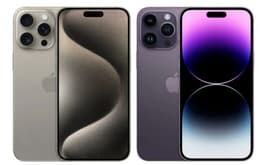
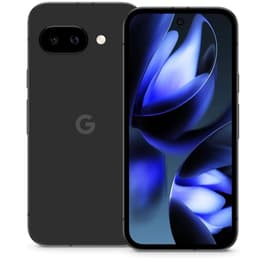
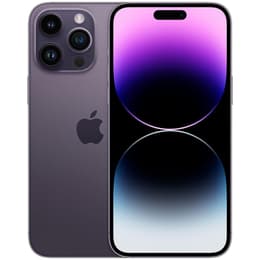
Google Pixel 9a • Unlocked vs iPhone 14 Pro Max • Unlocked
- 1-year warranty
- Free standard shipping
- Free 30-day returns
Differences at a glance
The Google Pixel 9a (2025) and the iPhone 14 Pro Max (2022) represent two different approaches to premium mobile technology, balancing distinct operating systems with unique hardware philosophies. While the Pixel 9a runs on Android and emphasizes a lightweight build with long-term software support, the iOS-powered iPhone 14 Pro Max focuses on high-end construction and an expansive display configuration. These devices cater to users seeking dependable performance through contrasting software ecosystems.
Available Models
Color
Storage (GB)
Scores
Durability
Both models offer robust build qualities and extended software lifespans, though their update timelines and repair considerations differ based on their release years.
- Software Support: The Google Pixel 9a benefits from Google's extended update commitment, providing multi-year operating system upgrades, whereas the iPhone 14 Pro Max follows Apple's traditional long-term support cycle.
- Durability and Build: Both devices feature dust and water resistance ratings, with the iPhone utilizing a heavy stainless steel and textured glass construction, while the Pixel 9a employs an aluminum frame and a matte back finish.
- Expected Lifespan: Practical longevity for both models remains high, supported by efficient processing hardware capable of sustaining demanding daily routines over several years.
Release Year
2025
2022
OS
Android
iOS
Foldable
No
No
Performance
System responsiveness and everyday multitasking capabilities vary due to distinct processor architectures and memory configurations.
- Multitasking and Apps: Both devices handle intensive applications, web browsing, and switching between multiple programs smoothly without noticeable stutter.
- Battery Behavior: The Pixel 9a incorporates a large capacity power cell designed for extended daily use, while the iPhone 14 Pro Max optimizes system power efficiency to maintain charge through demanding workflows.
- Storage Configurations: Multiple internal storage tiers are available across both lineups to accommodate varying user needs for media and applications.
Screen quality
Display characteristics differ in size, peak brightness capabilities, and refresh rate implementation.
- Display Technology: Both models utilize vibrant OLED panels that deliver deep contrast levels, sharp text clarity, and vivid color reproduction.
- Brightness and Outdoors: High peak brightness levels ensure screen content remains legible under direct sunlight on both devices.
- Smoothness: Fast refresh rates enable fluid scrolling through web pages, documents, and interface menus.
Resolution
1080x2424
1290 x 2796
Screen type
P-OLED
LTPO Super Retina XDR OLED
Audiovisual
Imaging hardware and audio reproduction cater to content creators and media consumers through different optical layouts and speaker tuning.
- Camera Systems: The Pixel 9a features a dual rear camera arrangement with computational photography tools, while the iPhone 14 Pro Max utilizes a triple-lens system including a dedicated zoom option.
- Video and Low Light: Both smartphones capture stable video footage and detailed photos in challenging low-light lighting conditions.
- Media Consumption: Integrated stereo speakers deliver clear audio output for hands-free calls, podcasts, and video playback.
Miscellaneous
Physical dimensions, connectivity standards, and biometric security features establish distinct handling characteristics.
- Handling and Weight: The Pixel 9a offers a lighter, more compact profile that rests easily in one hand, whereas the iPhone 14 Pro Max provides a larger, heavier footprint.
- Biometrics: Security methods utilize facial recognition or fingerprint scanning depending on the device design.
- Connectivity: Modern 5G cellular compatibility, Wi-Fi standards, and Bluetooth support are standard across both platforms.
Weight
6 oz
8 oz
Screen size (inches)
6.3
6.7
Network
5G
5G
SIM card
Physical SIM + eSIM
eSIM
Carrier compatibility
Unlocked
Unlocked
What the community thinks
Users prioritizing a lightweight physical form, long software support windows, and the Android operating system often find the Google Pixel 9a well-suited to their daily routines. Conversely, users who prefer the iOS ecosystem, a larger screen workspace, and a heavier, rigid build structure frequently gravitate toward the iPhone 14 Pro Max.
Reviewers and everyday users frequently praise the Pixel 9a for its balanced hardware and battery longevity, while the iPhone 14 Pro Max receives positive feedback for its premium material choices and camera versatility. Selecting either model as a quality-assured refurbished option provides a sustainable, eco-friendly alternative that reduces electronic waste without compromising on performance. The final choice depends entirely on whether personal workflows align more closely with Android or iOS preferences.