
Galaxy S25 • Unlocked vs iPhone 16 Plus • Unlocked

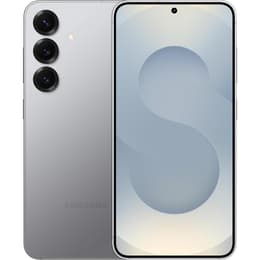
Galaxy S25 • Unlocked
Starting at

Refurbished price:$423.00

Versus $799.00 new

See options
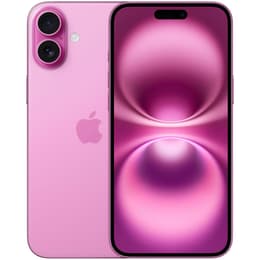
iPhone 16 Plus • Unlocked
Starting at

Refurbished price:$575.98

Versus $829.00 new

See options

Ratings

The Samsung Galaxy S25, released in February 2025, and the Apple iPhone 16 Plus, launched in September 2024, represent two distinct approaches to the modern smartphone experience. While both are high-end devices offering robust performance, they differ significantly in their operating systems and core philosophies. The Galaxy S25 runs on Android with Samsung's One UI, emphasizing customization and a versatile camera system, whereas the iPhone 16 Plus operates on Apple's iOS, known for its intuitive interface and strong ecosystem integration. These differences cater to varying user preferences, particularly in terms of software experience and hardware priorities.

Scores

Durability

When considering the long-term usability of a smartphone, factors like software support, physical resilience, and ease of repair play a significant role. Both the Galaxy S25 and iPhone 16 Plus are designed for extended use, but they approach longevity with slightly different strategies.

  • Software Longevity: The Samsung Galaxy S25 is expected to receive seven years of security and major OS updates, providing a substantial period of software support. The iPhone 16 Plus also offers a long update timeline, typically receiving iOS updates for approximately 5-6 years from its release, with current iOS 26.4 as of March 2026.
  • Physical Durability: The iPhone 16 Plus features a Ceramic Shield front and a color-infused glass back, with Apple stating its screen is 50% tougher than previous iPhone models. The Galaxy S25 utilizes Gorilla Glass Victus 2 for both its front and back, offering a high level of scratch and drop resistance. Both devices carry an IP68 rating for dust and water resistance, indicating they can withstand submersion in up to 6 meters of water for 30 minutes.
  • Repairability: The iPhone 16 Plus, like its Pro counterpart, has demonstrated a higher degree of repairability, with iFixit giving the iPhone 16 Pro a provisional score of 7 out of 10, partly due to its dual-entry design and comprehensive repair manuals. The Galaxy S25 Ultra, which shares design principles with the base S25, received a provisional repairability score of 5 out of 10, with improvements like easier battery replacement using pull tabs and modular rear cameras, though screen removal remains challenging.

Release Year

2025

2024

Last OS Compatibility

Yes

Yes

Foldable

No

No

Performance

Both the Galaxy S25 and iPhone 16 Plus deliver high-level performance suitable for demanding applications and multitasking, though they achieve this through different hardware and software optimizations.

  • Processing Power: The Galaxy S25 is powered by a current-generation processor optimized for Samsung's devices, enabling it to handle intensive tasks like gaming and complex applications smoothly without significant lag or heating. The iPhone 16 Plus features Apple's A18 chip, which provides robust performance for a fluid user experience across apps and system navigation.
  • Multitasking and Responsiveness: Users of both devices can expect excellent responsiveness when switching between applications and navigating the operating system. The iPhone 16 Plus is noted for its smooth and efficient performance, even with heavy usage. The Galaxy S25, with its optimized processor and One UI, also offers a clean and smooth experience, making it well-suited for users who frequently juggle multiple apps.
  • Storage Options: The Galaxy S25 typically offers storage configurations starting from 128GB, with options up to 256GB. The iPhone 16 Plus provides similar storage flexibility, available in 128GB, 256GB, and 512GB variants, catering to users with different storage needs for apps, photos, and videos.

Memory (GB)

12 GB

8 GB

Screen quality

The visual experience on both the Galaxy S25 and iPhone 16 Plus is characterized by vibrant colors and sharp details, though there are distinctions in their display technologies and features.

  • Display Technology and Clarity: The Galaxy S25 features a 6.2-inch Dynamic LTPO AMOLED 2X display with a resolution of 2340 x 1080 pixels, offering deep blacks and vivid colors. The iPhone 16 Plus comes with a larger 6.7-inch Super Retina XDR OLED display, providing a resolution of 2796 x 1290 pixels, also known for its excellent contrast and color accuracy. Both displays offer a high pixel density, resulting in clear and crisp visuals.
  • Brightness and Outdoor Visibility: The Galaxy S25's display can reach a peak brightness of up to 2600 nits, ensuring good visibility even in bright outdoor conditions. The iPhone 16 Plus offers a typical brightness of 1000 nits, with peak HDR brightness of 1600 nits and an impressive 2000 nits for outdoor use, making it highly legible under direct sunlight.
  • Refresh Rate and Smoothness: The Galaxy S25 boasts a 120 Hz adaptive refresh rate, which contributes to smoother scrolling and a more fluid experience in compatible apps and games. The iPhone 16 Plus features a standard 60Hz refresh rate, which provides a consistent visual experience for everyday tasks, though some users accustomed to higher refresh rates might notice a difference.

Resolution

1080x2340

1290 x 2796

Screen type

Dynamic LTPO AMOLED 2X

Super Retina XDR OLED

Audiovisual

Both smartphones offer capable camera systems designed to capture high-quality photos and videos, with specific strengths that cater to different photographic preferences.

  • Rear Camera System: The Galaxy S25 is equipped with a triple-lens rear camera setup, including a 50MP main sensor with optical image stabilization, a 12MP ultrawide lens, and a 10MP telephoto lens with 3x optical zoom. The iPhone 16 Plus features a dual-camera system on the back, comprising a 48MP main sensor with sensor-shift optical image stabilization and a 12MP ultrawide lens. It also offers a 2x optical quality zoom by cropping from the main sensor.
  • Photography Performance: The Galaxy S25's main camera performs well in daylight, producing natural colors and balanced dynamic range, with improved low-light performance thanks to its ProVisual Engine and Night mode. Portrait shots are generally good, and selfies are sharp. The iPhone 16 Plus delivers sharp, detailed photos with Apple's characteristic color science, performing strongly in good lighting conditions. Its front-facing 12MP camera is also noted for quality selfies.
  • Video Recording and Audio: The Galaxy S25 supports smooth and stable video recording in 4K, with the ability to capture up to 8K resolution at 30fps from the main camera and 4K at 60fps from secondary cameras. The iPhone 16 Plus also offers high-quality video recording, with users praising its overall camera experience for both images and videos. Both devices are expected to provide clear microphone quality for calls and recordings, and capable speaker output for media consumption.

Miscellaneous

Beyond their core features, both the Galaxy S25 and iPhone 16 Plus incorporate various practical elements that enhance user interaction and connectivity.

  • Connectivity and Ports: Both devices support 5G cellular networks, ensuring fast mobile data speeds. The Galaxy S25 and iPhone 16 Plus both feature a USB-C port for charging and data transfer. The iPhone 16 Plus also supports Wi-Fi 7 and Bluetooth 5.3, offering advanced wireless connectivity.
  • Biometric Security: The Galaxy S25 includes an ultrasonic in-screen fingerprint sensor for secure and convenient unlocking. The iPhone 16 Plus relies on Face ID, Apple's facial recognition system, for biometric authentication.
  • Design and Handling: The Galaxy S25 features a 6.2-inch screen, making it a compact and comfortable device to hold and use with one hand. The iPhone 16 Plus, with its 6.7-inch display, is a larger device that often requires two hands for effective use, appealing to those who prefer a more expansive viewing area. The iPhone 16 Plus also includes an Action button, offering customizable shortcuts.

Weight

6 oz

7030 oz

Screen size (inches)

6.2

6.7

Network

5G

5G

SIM card

Physical SIM + eSIM

eSIM

Carrier compatibility

Unlocked

Unlocked

Connector

USB-C

USB-C (USB 2)

The Samsung Galaxy S25 and iPhone 16 Plus each offer a compelling smartphone experience, tailored to different user priorities. User feedback for the Galaxy S25 often praises its compact size, robust performance for gaming and daily use, and the extensive customization options offered by One UI. Some users, however, have noted that while the camera is solid, it may not always match the vividness and dynamic range of some competitors, and battery life, while improved, might still require daily charging for heavy users.

Conversely, the iPhone 16 Plus is frequently lauded for its exceptional battery life, often lasting well into a second day, and its powerful performance. Users appreciate the large display for media consumption and the intuitive iOS experience. Criticisms sometimes point to the 60Hz refresh rate, which some find less fluid compared to devices with higher refresh rates, and the absence of a telephoto camera found in Pro models.

Users prioritizing a compact form factor, extensive Android customization, and a versatile camera system with strong zoom capabilities may find the Galaxy S25 well-suited to their needs. Those who value a larger display, industry-leading battery endurance, and the streamlined, secure ecosystem of iOS will likely lean towards the iPhone 16 Plus. Both devices represent excellent choices, and considering a quality-assured refurbished option can provide an eco-friendly alternative for either model.

See all articles

Our recent comparisons