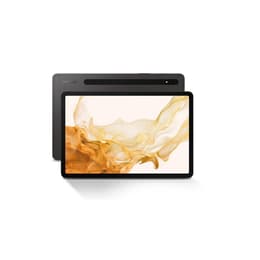
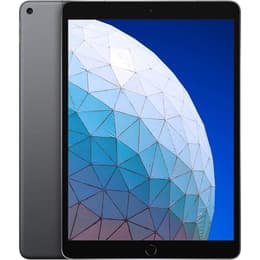

Galaxy Tab S8 Ultra (14.6", 2022) vs iPad Air 3 (2019, A12 series)

Galaxy Tab S8 Ultra (14.6", 2022)
Starting at

Refurbished price:$435.00

Versus $1,049.00 new

See options
iPad Air 3 (2019, A12 series)
Starting at

Refurbished price:$134.00

Versus $499.00 new

See options

Ratings

The Samsung Galaxy Tab S8 Ultra, released in 2022, and the Apple iPad Air (3rd generation), launched in 2019, represent distinct approaches to tablet design and functionality. While both devices offer robust platforms for productivity and entertainment, they differ significantly in screen size, operating system, and overall ecosystem integration. The Galaxy Tab S8 Ultra runs on Android, emphasizing a large display and multitasking capabilities, whereas the iPad Air operates on iPadOS, known for its streamlined user experience and strong app ecosystem.

Scores

Durability

The expected practical lifespan of a tablet is influenced by its release year and ongoing software support. These two devices have different timelines, which impacts their longevity.

  • Release Timeline: The Galaxy Tab S8 Ultra was released in 2022, making it a more recent device compared to the iPad Air (2019). This difference in launch year means the Tab S8 Ultra benefits from newer hardware and a longer potential support window.
  • OS Support Duration: The iPad Air (2019) initially ran iOS 12 and is upgradable to iPadOS 26.3, indicating a substantial period of software updates. The Galaxy Tab S8 Ultra launched with Android 12 and is expected to receive several major Android upgrades, typically offering up to four major OS updates.
  • Repairability: While specific repairability scores can vary, both devices are generally designed with a unibody construction. The iPad Air (2019) features an aluminum unibody, contributing to its solid build.

Release Year

2022

2019

Last OS Compatibility

Yes

Yes

OS

Android

iPadOS

Performance

Performance is a key differentiator, with the newer Galaxy Tab S8 Ultra offering more contemporary hardware compared to the iPad Air (2019).

  • Processor Capabilities: The Galaxy Tab S8 Ultra handles demanding applications and extensive multitasking smoothly, providing a responsive experience for creative work, gaming, and productivity. The iPad Air (2019), while still capable for everyday tasks, offers performance suitable for general use, including web browsing, media consumption, and light productivity.
  • Storage and RAM: The Galaxy Tab S8 Ultra comes with more generous RAM options, ranging from 8GB to 16GB, and storage up to 512GB, with the added flexibility of microSD card expansion up to 1TB. The iPad Air (2019) is available with 3GB of RAM and storage options of 64GB or 256GB, without expandable storage.
  • Battery Behavior: The Galaxy Tab S8 Ultra features a large 11,200 mAh battery, providing around 9 hours and 22 minutes of web surfing on Wi-Fi in tests, though some users report average battery life for its size. The iPad Air (2019) has an 8134 mAh battery, offering up to 10 hours of Wi-Fi web surfing or video playback, which is considered ample for a full day's use.

Memory (GB)

8 GB

3 GB

Screen quality

The display experience varies significantly between these two tablets, primarily due to differences in technology and size.

  • Display Technology and Size: The Galaxy Tab S8 Ultra features a massive 14.6-inch Super AMOLED display, known for its deep blacks, vibrant colors, and high contrast, providing an immersive viewing experience. The iPad Air (2019) has a smaller 10.5-inch IPS LCD Retina display, which offers accurate colors and wide viewing angles.
  • Resolution and Clarity: The Tab S8 Ultra's display has a resolution of 2960 x 1848 pixels, resulting in a pixel density of approximately 240 pixels per inch (ppi). The iPad Air (2019) offers a resolution of 2224 x 1668 pixels at 264 ppi, providing sharp text and clear images.
  • Refresh Rate and Brightness: The Galaxy Tab S8 Ultra boasts a 120Hz refresh rate, contributing to smoother scrolling and more fluid animations, and supports HDR10+. It typically offers around 500 nits brightness. The iPad Air (2019) operates at a standard 60Hz refresh rate and has a peak brightness of 500 nits.

Resolution

1848 x 2960

2224 x 1668

Screen type

Super AMOLED

Retina display

Pixel density

240ppp

264ppp

Audiovisual

Camera capabilities differ, with the newer Galaxy Tab S8 Ultra offering a more comprehensive setup, particularly for video calls.

  • Camera System Capabilities: The Galaxy Tab S8 Ultra features a dual rear camera setup (13MP wide and 6MP ultra-wide) and a dual front camera system (two 12MP lenses for wide and ultra-wide shots). The iPad Air (2019) has a single 8MP rear camera and a 7MP front camera.
  • Photography and Video Performance: The Tab S8 Ultra's cameras are capable of recording video at up to 4K resolution at 60 frames per second, with auto-framing technology for video calls. The iPad Air (2019) records 1080p video at 30 frames per second for both front and rear cameras, with its cameras generally considered suitable for basic use rather than high-quality photography.
  • Audio Experience: The Galaxy Tab S8 Ultra is equipped with quad stereo speakers with Dolby Atmos, providing loud and clear audio for media consumption. The iPad Air (2019) features stereo speakers and includes a 3.5mm headphone jack, which is absent on the Tab S8 Ultra.

Miscellaneous

Beyond core performance, several practical elements contribute to the overall user experience of these tablets.

  • Connectivity Options: The Galaxy Tab S8 Ultra supports Wi-Fi 6E and Bluetooth 5.2, with optional 5G connectivity for faster mobile data. The iPad Air (2019) supports Wi-Fi 5 (802.11ac) and Bluetooth 5.0, with optional LTE models available.
  • Port Types and Accessories: The Tab S8 Ultra uses a USB-C 3.2 port and includes an S Pen stylus in the box. The iPad Air (2019) features a Lightning port and supports the first-generation Apple Pencil, which is sold separately.
  • Dimensions and Handling: The Galaxy Tab S8 Ultra is a larger device, measuring 326.4 x 208.6 x 5.5 mm and weighing 726g (Wi-Fi model), offering extensive screen real estate. The iPad Air (2019) is more compact at 250.6 x 174.1 x 6.1 mm and weighs 456g (Wi-Fi model), making it more portable for handheld use.

Weight

25 oz

16 oz

Screen size (inches)

14.6

10.5

Network

Wi-Fi

Wi-Fi

Carrier compatibility

Without SIM Port

Without SIM Port

User feedback for the Galaxy Tab S8 Ultra often highlights its impressive, large Super AMOLED display and the included S Pen as significant advantages, making it well-suited for creative tasks and immersive media consumption. Some users note its powerful performance for demanding applications. However, common criticisms include its considerable size, which can impact portability for some, and its battery life, which, despite a large capacity, is sometimes described as average.

The iPad Air (2019) is frequently praised for its solid build quality, vibrant display, and consistent performance for its release era. Users appreciate its long software support and the inclusion of a headphone jack. Conversely, common concerns revolve around its base storage capacity, the older Lightning port, and a camera system that is considered mediocre compared to more recent devices.

Users prioritizing a large, vibrant display for media, drawing, or extensive multitasking within the Android ecosystem may find the Galaxy Tab S8 Ultra well-suited to their needs. Its included S Pen and expandable storage are also key considerations. Conversely, users seeking a more compact, portable tablet with a reliable operating system and a strong app ecosystem, particularly those already invested in Apple's accessories like the first-generation Apple Pencil, may lean toward the iPad Air (2019). Both devices offer distinct experiences, and choosing between them depends on individual preferences for operating system, screen size, and specific use cases. Exploring quality-assured refurbished options for either model can provide an eco-friendly alternative for consumers.


See all articles

Our recent comparisons