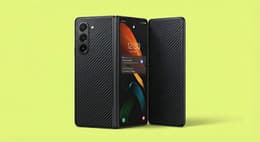
Compare models
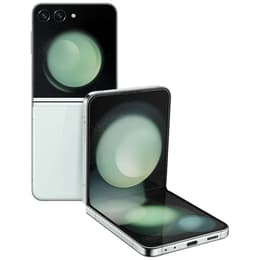
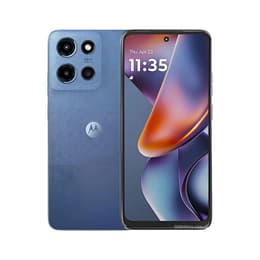
Galaxy Z Flip5 • Unlocked vs Motorola Moto G (2025) • Unlocked
- 1-year warranty
- Free standard shipping
- Free 30-day returns
Differences at a glance
The Samsung Galaxy Z Flip5 (2023) and the Motorola Moto G (2025) represent two distinct approaches to modern smartphone design, contrasting a foldable flagship concept with a traditional, value-focused candybar build. While both devices run on the Android operating system, they cater to very different physical preferences and structural form factors. Choosing between them depends largely on whether pocket-friendly folding engineering or a standard, expansive screen layout best fits daily routines.
Available Models
Color
Storage
Scores
Durability
When examining longevity and durability, both smartphones feature distinct hardware protections and update cycles that influence their long-term operational lifespan.
- Software Support and Updates: The Galaxy Z Flip5 benefits from a multi-year software commitment typical of flagship devices, whereas the Motorola Moto G (2025) provides standard security patches and a couple of major operating system upgrades.
- Hardware Construction: The Galaxy Z Flip5 utilizes specialized folding glass and aluminum framing designed to withstand regular bending, while the Motorola Moto G (2025) relies on a rigid structure protected by reinforced front glass.
- Practical Lifespan: Both models maintain steady performance over several years of standard use, though foldable devices require more careful handling of the hinge mechanism over extended periods.
Release Year
2023
2025
OS
Android
Android
Foldable
Yes
No
Performance
Underneath their exteriors, these devices handle multitasking, daily applications, and power management through contrasting hardware configurations.
- Processing Power and Speed: The Galaxy Z Flip5 handles demanding applications, graphic-heavy gaming, and swift multitasking smoothly, while the Motorola Moto G (2025) comfortably manages everyday tasks like web browsing, messaging, and media streaming.
- Memory and Storage Configurations: The Samsung model offers high-tier internal storage capacities without expansion slots, whereas the Motorola device includes expandable storage via a microSD card slot alongside standard internal memory.
- Battery Behavior: The Motorola Moto G (2025) features a larger battery capacity that easily spans a full day of mixed use, while the Galaxy Z Flip5 relies on a smaller battery footprint that may require a midday recharge for intensive users.
Screen quality
Display technology is one of the most prominent differences when comparing these two smartphones side by side.
- Display Technology: The Galaxy Z Flip5 uses a flexible OLED inner panel delivering deep contrast and vivid colors, complemented by a functional outer cover screen. The Motorola Moto G (2025) features a large LCD screen equipped with a high refresh rate for smooth scrolling.
- Outdoor Visibility and Brightness: The foldable flagship reaches higher peak brightness levels for clear visibility under direct sunlight, while the Motorola display performs reliably in standard lighting conditions.
- Viewing Experience: Users watching videos or browsing content will experience deeper blacks on the Samsung OLED panel, whereas the Motorola device offers a broader uninterrupted viewing canvas on a traditional flat surface.
Resolution
1080 x 2640
720x1604
Screen type
Foldable Dynamic AMOLED 2X
IPS LCD
Audiovisual
Media capture and audio output capabilities vary significantly to accommodate different photography habits and multimedia consumption styles.
- Camera Systems: The Galaxy Z Flip5 equips dual rear sensors capable of detailed low-light captures and flexible angles enabled by its folding design, while the Motorola Moto G (2025) provides a high-resolution primary sensor alongside a macro lens for close-up shots.
- Video and Audio Output: Both devices record crisp high-definition video for everyday memories, but the Samsung model includes advanced stabilization features, while the Motorola device retains a traditional headphone jack for wired audio accessories.
- Media Consumption: Stereo speakers on both smartphones deliver clear sound for casual listening, voice calls, and video playback.
Miscellaneous
Practical daily usability elements, including connectivity standards, physical dimensions, and security sensors, shape the overall ownership experience.
- Connectivity and Ports: Both models support modern 5G networks, Wi-Fi, and Bluetooth connectivity, with Samsung utilizing a reversible USB-C port and Motorola adding a 3.5mm headphone jack.
- Physical Handling and Weight: The Galaxy Z Flip5 folds into a compact square that fits easily into small pockets, whereas the Motorola Moto G (2025) offers a lightweight, traditional candybar shape with a textured back finish.
- Biometric Security: The Samsung model integrates a fingerprint sensor on the side power key alongside facial recognition, matching the side-mounted fingerprint reader and face unlock features found on the Motorola device.
Weight
7 oz
7 oz
Screen size (inches)
6.7
6.7
Network
5G
5G
SIM card
Physical SIM + eSIM
Physical SIM + eSIM
Carrier compatibility
Unlocked
Unlocked
Connector
USB-C
USB-C
What the community thinks
User feedback highlights distinct preferences for each device across online communities. Owners of the Galaxy Z Flip5 frequently praise its compact pocketability, unique folding flexibility, and flagship-level processing speeds. Conversely, users of the Motorola Moto G (2025) often commend its reliable all-day battery endurance, expandable storage flexibility, and the inclusion of a traditional headphone port. Common criticisms for the foldable model center on battery longevity under heavy workloads, while the Motorola device receives occasional notes regarding its lower-resolution display clarity compared to premium panels.
Users prioritizing a pocket-friendly compact footprint and high-end processing power may prefer the Galaxy Z Flip5, while users prioritizing extended battery stamina and expandable storage options will lean toward the Motorola Moto G (2025). Exploring a quality-assured refurbished option provides an eco-friendly alternative that supports sustainable technology choices without compromising on performance standards.