
Compare models
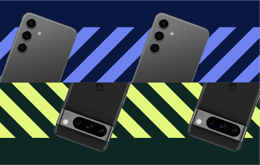
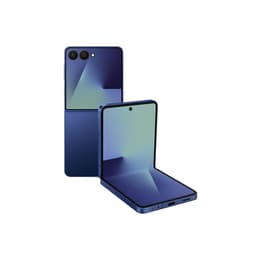
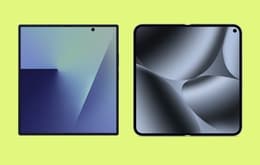
Galaxy Z Flip7 • Unlocked vs Google Pixel 8 Pro • Unlocked
- 1-year warranty
- Free standard shipping
- Free 30-day returns
Differences at a glance
The Samsung Galaxy Z Flip7 (2025) and the Google Pixel 8 Pro (2023) represent two entirely different approaches to modern smartphone engineering. While the Galaxy Z Flip7 offers a pocket-friendly clamshell foldable design, the Google Pixel 8 Pro delivers a traditional slate format centered around advanced software integration and computational photography. Both devices run on the Android operating system, providing familiar customization options while catering to vastly different physical and functional preferences.
Available Models
Color
Storage (GB)
Scores
Durability
Evaluating the lifespan and durability of these two devices reveals distinct design trade-offs between a folding mechanism and a conventional slate build.
- Release Timeline and Software Support: The Galaxy Z Flip7 launched in 2025 with modern software support schedules, whereas the Google Pixel 8 Pro debuted in 2023 and benefits from an extended multi-year update commitment from its manufacturer.
- Hardware Build and Mechanics: The Pixel 8 Pro utilizes a rigid aluminum and glass frame with traditional drop resistance, while the Z Flip7 features a folding display mechanism that requires careful handling over years of daily use.
- Practical Longevity: Both smartphones handle routine software demands well over time, though users selecting a quality-assured refurbished option can extend device usability while making a sustainable choice.
Release Year
2025
2023
Last OS Compatibility
Yes
Yes
OS
Android
Android
Foldable
Yes
No
Performance
System responsiveness and daily multitasking capabilities differ based on hardware configurations and thermal design.
- Multitasking and Memory: Both models are equipped with generous RAM capacity to keep multiple applications open simultaneously without frequent reloading.
- App Loading and Gaming: The Galaxy Z Flip7 benefits from a newer processor generation that handles demanding applications and graphic-heavy games smoothly, while the Pixel 8 Pro manages everyday productivity and browsing with steady efficiency.
- Battery Behavior: The Pixel 8 Pro houses a larger traditional battery capacity that generally sustains typical daily usage, whereas the Z Flip7 relies on a compact split-battery design that may require a top-up during heavy-use days.
Screen quality
Viewing experiences vary significantly between the foldable inner panel of the Samsung device and the expansive glass display of the Google flagship.
- Display Technology: The Galaxy Z Flip7 utilizes a dynamic folding panel that collapses into a compact square, complemented by a functional outer screen for quick notifications.
- Clarity and Panel Size: The Pixel 8 Pro presents a large, uninterrupted flat display with high pixel density and vibrant contrast, ideal for immersive media consumption.
- Outdoor Visibility: Both panels offer strong peak brightness levels to ensure readability and clear text visibility under direct sunlight.
Resolution
1080 x 2520
1344 x 2992
Screen type
Foldable Dynamic LTPO AMOLED 2X
LTPO OLED
Audiovisual
Photography and media recording philosophies highlight contrasting strengths between versatile optical zoom and flexible folding angles.
- Camera Systems: The Pixel 8 Pro features a dedicated triple-lens array including a high-resolution telephoto lens for distant subjects, whereas the Z Flip7 uses a dual-camera setup optimized for everyday snapshots and hands-free angles.
- Low-Light and Editing: Google integrates extensive computational photography tools for processing challenging lighting and removing unwanted background elements, while Samsung provides creative angles enabled by the folding form factor.
- Video and Audio: Both devices deliver clear stereo sound output for media playback alongside reliable microphone performance for voice calls and video recording.
Miscellaneous
Physical dimensions, weight distribution, and everyday connectivity features shape how each device feels during daily handling.
- Dimensions and Portability: The Z Flip7 folds in half to easily slip into small pockets or bags, whereas the Pixel 8 Pro maintains a larger traditional slate footprint that requires two-handed use for comfort.
- Security Sensors: Both models incorporate modern biometric security features, utilizing responsive fingerprint sensors alongside facial recognition options.
- Connectivity Standards: Each device supports fast wireless networks, high-speed Wi-Fi standards, and modern Bluetooth protocols for reliable accessory pairing.
Weight
3 oz
7 oz
Screen size (inches)
6.9
6.7
Network
5G
5G
SIM card
Physical SIM + eSIM
Physical SIM + eSIM
Carrier compatibility
Unlocked
Unlocked
Connector
USB-C
USB-C
What the community thinks
User discussions across community forums highlight distinct preferences for each device based on lifestyle and form-factor priorities. Owners of the Google Pixel 8 Pro frequently praise its reliable battery performance, comprehensive long-term software update schedule, and versatile telephoto zoom lens. At the same time, users often note that its large physical footprint can feel cumbersome to carry. Conversely, enthusiasts of the Samsung Galaxy Z Flip7 appreciate its compact folding pocketability and creative hands-free photo angles, though some point out that the folding crease and battery capacity require minor daily compromises.
Users prioritizing pocket space, innovative physical design, and unique framing capabilities may prefer the Galaxy Z Flip7, while users prioritizing optical zoom versatility, a traditional large screen, and extensive software longevity will likely lean toward the Pixel 8 Pro. Selecting either model depends entirely on individual daily habits rather than raw performance superiority. Exploring quality-assured refurbished options provides an eco-friendly pathway to acquiring either device while supporting sustainable consumption.