
Compare models
Galaxy Z Flip7 • Unlocked vs Motorola Moto G Stylus 5G (2023) • Unlocked
- 1-year warranty
- Free standard shipping
- Free 30-day returns
Differences at a glance
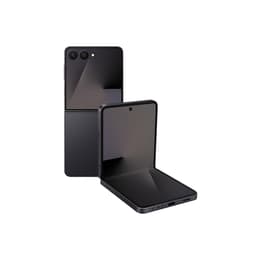
The Samsung Galaxy Z Flip7, introduced in 2025, and the Motorola Moto G Stylus 5G, released in 2023, represent two distinct approaches to modern smartphone design. While the Galaxy Z Flip7 offers a cutting-edge folding clamshell form factor running modern Android software, the Motorola Moto G Stylus 5G is a traditional bar-style device featuring a built-in writing stylus. These devices cater to very different user preferences regarding physical build, interaction style, and everyday utility.
Available Models
Color
Storage (GB)
Scores
Durability
When evaluating structural longevity and software support, the Galaxy Z Flip7 and the Motorola Moto G Stylus 5G reflect their different release timelines and product categories.
- Software Support Timeline: The Galaxy Z Flip7 benefits from an extended software update schedule aligned with recent flagship standards, while the 2023 Motorola model operates on an earlier software generation path.
- Physical Durability: The foldable hinge design of the Samsung device requires careful handling compared to the traditional rigid polycarbonate or glass sandwich construction of the Motorola phone.
- Expected Lifespan: Users can expect multi-year usability from both models, though the newer internal components of the Galaxy Z Flip7 provide additional headroom for future software demands.
Release Year
2025
2023
Last OS Compatibility
Yes
Yes
OS
Android
Android
Foldable
Yes
No
Performance
Underneath their exteriors, these smartphones handle everyday multitasking, storage management, and battery longevity through very different hardware configurations.
- System Responsiveness: The Galaxy Z Flip7 handles intensive multitasking and demanding applications with swift fluidity, whereas the Motorola Moto G Stylus 5G manages standard daily tasks, web browsing, and casual apps reliably.
- Battery Behavior: The Motorola model features a high-capacity cell designed to comfortably clear a full day of standard use, while the Galaxy Z Flip7 balances a compact folding frame with efficient power management for daily routines.
- Storage Capacity: Generous onboard storage tiers on the Samsung model accommodate large media libraries, complemented by expandable storage support via a memory card slot on the Motorola device.
Screen quality
Display characteristics form a major point of contrast, dividing choices between an immersive folding screen technology and a conventional widescreen layout.
- Display Technology: The Galaxy Z Flip7 utilizes an advanced folding OLED panel that delivers deep contrast levels and vibrant color reproduction, paired with a functional cover screen.
- Panel and Refresh Rate: The Motorola Moto G Stylus 5G employs a traditional LCD screen with a smooth refresh rate, offering clear visuals for reading and media viewing.
- Outdoor Visibility: High peak brightness capabilities on the Samsung foldable allow for comfortable viewing in direct sunlight, while the Motorola display maintains adequate clarity under typical lighting conditions.
Resolution
1080 x 2520
1080 x 2400
Screen type
Foldable Dynamic LTPO AMOLED 2X
IPS LCD
Audiovisual
Photography and media consumption capabilities vary significantly across these two form factors, influencing how users capture memories and enjoy audio.
- Camera Systems: The Galaxy Z Flip7 equips versatile dual rear sensors that process detailed low-light imagery and sharp video recordings, whereas the Motorola Moto G Stylus 5G features a capable primary sensor supplemented by an ultra-wide option for everyday snapshots.
- Unique Shooting Angles: The folding architecture of the Samsung device allows it to prop itself up at various angles for hands-free framing, a flexibility absent in traditional bar phones.
- Audio Output: Both units deliver clear stereo sound for speakerphone calls and casual video viewing, supported by standard microphone arrays for voice clarity.
Miscellaneous
Practical daily features, connectivity standards, and physical handling traits define the physical user experience of each handset.
- Input Methods: The Motorola Moto G Stylus 5G includes an integrated physical stylus housed directly within the chassis for precise note-taking, contrasting with the touch-exclusive interface of the Galaxy Z Flip7.
- Connectivity and Ports: Both models provide reliable 5G cellular connection compatibility, modern Wi-Fi protocols, and Bluetooth pairing.
- Dimensions and Handling: The Galaxy Z Flip7 folds compactly to save pocket space, while the Motorola device offers a traditional expansive footprint that accommodates its built-in stylus and large screen.
Weight
3 oz
202 oz
Screen size (inches)
6.9
6.8
Network
5G
5G
SIM card
Physical SIM + eSIM
Physical SIM
Carrier compatibility
Unlocked
Unlocked
Connector
USB-C
USB-C
What the community thinks
Community discussions highlight distinct preferences for each device among everyday users. Owners of the Galaxy Z Flip7 frequently praise its pocket-friendly folding design, vibrant main display, and modern software features. Conversely, users of the Motorola Moto G Stylus 5G appreciate the practical inclusion of the writing stylus, reliable daily battery endurance, and expandable storage capability. Common criticisms for the folding Samsung model often center around the delicate nature of flexible screens, while the Motorola device is sometimes noted for having a standard display type rather than high-contrast OLED technology.
Users prioritizing productivity tools, precise note-taking, and conventional candy-bar handling will find the Motorola Moto G Stylus 5G well-suited to their needs. Meanwhile, users prioritizing a compact footprint, modern folding innovation, and advanced display technology may prefer the Galaxy Z Flip7. For those exploring a sustainable choice, a quality-assured refurbished option provides a reliable, eco-friendly alternative to purchasing newly manufactured hardware. Ultimately, the decision rests on whether a versatile folding format or an integrated writing instrument better complements daily mobile habits.