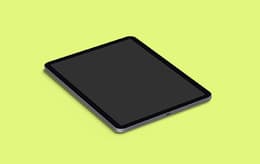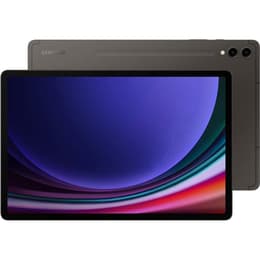
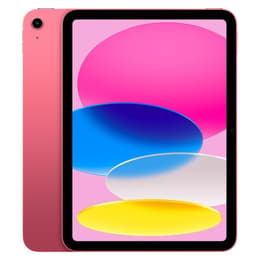

Galaxy Tab S9+ (12.4", 2023) vs iPad 10 (2022, A14 series)

Galaxy Tab S9+ (12.4", 2023)
Starting at

Refurbished price:$430.70

Versus $599.99 new

See options
iPad 10 (2022, A14 series)
Starting at

Refurbished price:$259.00

Versus $349.00 new

See options

Ratings

The Samsung Galaxy Tab S9+ (2023) and the Apple iPad (10th generation, 2022) are prominent tablets designed for a range of users, from creative professionals to everyday consumers. While both offer robust platforms for productivity and entertainment, they approach the tablet experience from different ecosystems, featuring distinct operating systems, display technologies, and accessory integrations. This comparison aims to highlight the practical differences between these two devices, helping users make an informed decision based on their individual needs.

Scores

Durability

When considering the long-term usability of a tablet, factors such as software support and physical resilience are key. The Galaxy Tab S9+ and the iPad (10th generation) offer different longevity prospects.

  • Software Longevity: The Galaxy Tab S9+, running Android, typically receives around four major operating system updates and five years of security updates from its release date. The iPad (10th generation), powered by iPadOS, generally benefits from a longer software support window, often extending to five or six years of major OS updates and up to ten years of security updates.
  • Physical Durability: The Galaxy Tab S9+ features an Armor Aluminum frame and boasts an IP68 rating for dust and water resistance, indicating a high level of protection against environmental elements. The iPad (10th generation), while also constructed with an aluminum back and frame, does not carry an official IP rating.
  • Expected Practical Lifespan: Users can expect both tablets to perform well for several years. The Galaxy Tab S9+'s IP68 rating offers an advantage for those who might expose their device to dust or splashes, while the iPad's typically longer software support ensures access to the latest features and security patches for an extended period.

Release Year

2023

2022

Last OS Compatibility

Yes

Yes

OS

Android

iPadOS

Performance

The performance of a tablet is crucial for smooth operation, whether for demanding applications or everyday tasks. Both devices offer capable processors, but their architectures and accompanying software ecosystems lead to different real-world experiences.

  • Processor Capabilities: The Galaxy Tab S9+ is equipped with a current-generation processor designed for demanding tasks and high-refresh-rate displays, enabling smooth multitasking and seamless app performance. The iPad (10th generation) features a capable processor that handles everyday tasks, light gaming, and productivity with consistent and reliable performance.
  • Multitasking and Responsiveness: The Galaxy Tab S9+ typically includes more RAM, which aids in managing multiple applications simultaneously without slowdowns. Users report it remains smooth even with several apps open. The iPad (10th generation) comes with a standard amount of RAM, suitable for typical multitasking within iPadOS.
  • Storage Options: The Galaxy Tab S9+ offers higher base storage options and supports expandable storage via microSD cards, providing flexibility for large files and media. The iPad (10th generation) offers fixed internal storage options without expansion capabilities.

Memory (GB)

12 GB

4 GB

Screen quality

The display is a primary interaction point for any tablet, and both the Galaxy Tab S9+ and the iPad (10th generation) offer distinct visual experiences.

  • Display Technology and Size: The Galaxy Tab S9+ features a larger 12.4-inch Dynamic AMOLED 2X display, known for its deep blacks, vibrant colors, and excellent contrast. The iPad (10th generation) comes with a 10.9-inch Liquid Retina IPS LCD, which provides accurate colors and good viewing angles.
  • Resolution and Refresh Rate: The Galaxy Tab S9+ offers a higher resolution of 1752 x 2800 pixels, resulting in a sharp image, and supports a 120Hz refresh rate for exceptionally smooth scrolling and fluid animations. The iPad (10th generation) has a resolution of 2360 x 1640 pixels and a standard 60Hz refresh rate, delivering clear visuals for most content.
  • Brightness and Outdoor Visibility: Both tablets offer good brightness levels for indoor use. The AMOLED panel of the Galaxy Tab S9+ provides superior contrast and is often praised for its outdoor visibility.

Resolution

1752 x 2800

2360 x 1640

Screen type

Dynamic AMOLED 2X

Liquid Retina display

Pixel density

270ppp

264ppp

Audiovisual

While tablets are not typically primary photography devices, their camera systems are important for video calls, document scanning, and casual photography.

  • Rear Camera System: The Galaxy Tab S9+ features a dual-camera setup on the rear, including a 13-megapixel main sensor and an 8-megapixel ultra-wide lens, offering versatility for different shooting scenarios. The iPad (10th generation) has a single 12-megapixel wide rear camera that can record 4K video.
  • Front Camera and Video Conferencing: Both tablets are equipped with 12-megapixel front-facing cameras. The Galaxy Tab S9+ includes an ultra-wide front camera. The iPad (10th generation)'s front camera is positioned on the longer side, which is well-suited for landscape video calls.
  • Audio Experience: The Galaxy Tab S9+ features quad speakers tuned by AKG, providing a rich audio experience. The iPad (10th generation) offers stereo speakers, delivering clear audio for media consumption.

Miscellaneous

Beyond core specifications, several practical elements contribute to the overall user experience and differentiate these two tablets.

  • Connectivity and Ports: The Galaxy Tab S9+ supports Wi-Fi 6E and Bluetooth 5.3, along with a USB Type-C 3.2 port for faster data transfer and display output. The iPad (10th generation) includes Wi-Fi 6 and Bluetooth 5.2, and features a USB-C port for charging and accessories.
  • Stylus and Accessories: The Galaxy Tab S9+ comes with an IP68-rated S Pen included in the box, offering precise input for drawing, note-taking, and navigation. The iPad (10th generation) supports the first-generation Apple Pencil, which requires an adapter for charging with the tablet's USB-C port and is sold separately.
  • Biometric Authentication and Design: The Galaxy Tab S9+ features an in-display fingerprint sensor for secure unlocking. The iPad (10th generation) integrates Touch ID into its top button. The Galaxy Tab S9+ is slightly thinner and heavier than the iPad (10th generation), reflecting its larger screen size and premium build materials.

Weight

23 oz

16 oz

Screen size (inches)

12.4

10.9

Network

Wi-Fi

Wi-Fi

Carrier compatibility

Unlocked

Without SIM Port

User feedback for the Galaxy Tab S9+ often highlights its expansive and vibrant AMOLED display, robust build quality with IP68 water and dust resistance, and the included, versatile S Pen. Its performance is frequently praised for demanding applications and multitasking, with the added benefit of expandable storage. Some users note that while battery life is generally good, heavy usage of the high-refresh-rate display can impact it.

The iPad (10th generation) receives commendation for its user-friendly iPadOS, consistent performance for everyday tasks, and the convenient landscape orientation of its front camera, which is well-suited for video calls. Its design refresh and adoption of USB-C are also positive points. Criticisms sometimes revolve around its display technology, which, while good, does not match the contrast of OLED, and its older Apple Pencil support.

Users prioritizing a large, high-quality AMOLED display, an included stylus for drawing and note-taking, expandable storage, and a versatile Android ecosystem may find the Galaxy Tab S9+ well-suited to their needs. Conversely, users seeking a straightforward, reliable tablet experience with a strong app ecosystem, long software support, and a familiar interface may lean toward the iPad (10th generation). Choosing a quality-assured refurbished option for either device can be an eco-friendly alternative for those seeking these capabilities.


See all articles

Our recent comparisons