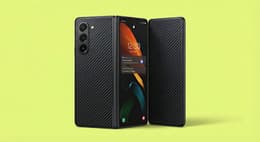
Galaxy Z Fold4 • Unlocked vs Motorola Moto G (2024) • Unlocked

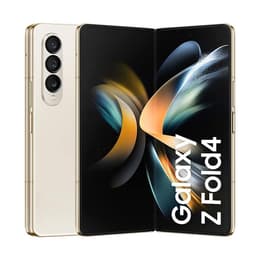
Galaxy Z Fold4 • Unlocked
Starting at

Refurbished price:$398.00

Versus $2,000.00 new

See options
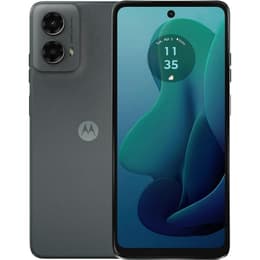
Motorola Moto G (2024) • Unlocked
Starting at

Refurbished price:$104.00

Versus $186.99 new

See options

Ratings

The Samsung Galaxy Z Fold4, released in August 2022, is a premium foldable smartphone that transforms from a compact device into a large tablet-like screen. In contrast, the Motorola Moto G 2024, launched in March 2024, is a traditional slab-style smartphone designed for everyday use. These devices operate on the Android platform, with the Z Fold4 featuring Samsung's One UI overlay and the Moto G 2024 offering a more streamlined Android experience. The primary distinctions lie in their innovative form factor, performance capabilities, and overall user experience.

Scores

Durability

The longevity of a smartphone is influenced by its release timeline, software support, and physical durability.

  • Release Timeline: The Galaxy Z Fold4 was released in August 2022, making it an older model compared to the Motorola Moto G 2024, which launched in March 2024. This difference in release year impacts the remaining period of software support and overall practical lifespan.
  • Software Support: The Galaxy Z Fold4 was promised four major Android OS updates and five years of security updates, extending its support until approximately 2027. It launched with Android 12L and has received updates up to Android 15 (One UI 7) as of May 2025. The Motorola Moto G 2024, launching with Android 14, is expected to receive one year of OS updates and three years of security updates, a shorter support window compared to the Z Fold4.
  • Repairability and Durability: The Z Fold4, with its complex folding mechanism, has seen user reports of inner screen delamination and hinge issues over time, which can be costly to repair if not covered by warranty. Samsung received a C- grade for repairability in 2024. The Moto G 2024 features a more conventional design with a water-repellent coating, though it lacks a formal IP rating. Motorola generally scored a C+ for repairability in 2024, suggesting a slightly better ease of repair for its devices.

Release Year

2022

2024

Last OS Compatibility

Yes

Yes

OS

Android

Android

Foldable

Yes

No

Performance

Performance varies significantly between these two devices, reflecting their different market segments and design philosophies.

  • Processing Power and Responsiveness: The Galaxy Z Fold4 is equipped with a high-performance processor and 12GB of RAM, enabling it to handle demanding applications, intensive multitasking, and graphic-rich games with smooth responsiveness. Users can expect quick app loading and seamless transitions between tasks. The Motorola Moto G 2024, with its entry-level processor and 4GB of RAM, is designed for more casual use. Users have reported that it can be sluggish, especially when multitasking or running graphically demanding applications, with limited available RAM for active use.
  • Storage Options: The Z Fold4 offers substantial internal storage options, ranging from 256GB to 1TB, catering to users who require ample space for apps, media, and files, though it does not support expandable storage. The Moto G 2024 comes with 128GB of internal storage but includes a dedicated microSDXC slot for expandable storage, providing flexibility for users to increase their storage capacity.
  • Battery Behavior: The Galaxy Z Fold4 features a 4400 mAh battery. While it supports fast charging, some users have noted that its battery life may require more frequent charging for heavy use, especially given its dual-screen functionality. The Motorola Moto G 2024 is equipped with a larger 5000 mAh battery, and users generally report excellent battery life, often lasting a day and a half on a single charge, though some instances of abnormal battery drain have been noted.

Memory (GB)

12 GB

4 GB

Screen quality

The display experience is a major differentiating factor, driven by the unique form factor of the Z Fold4 and the traditional design of the Moto G 2024.

  • Display Technology and Clarity: The Galaxy Z Fold4 features two Dynamic AMOLED 2X displays, offering vibrant colors, deep blacks, and excellent contrast. The main foldable screen has a high resolution of 2176x1812 pixels, providing sharp and detailed visuals. The Motorola Moto G 2024 uses an IPS LCD panel with a 720x1612 pixel (HD+) resolution. While it offers a decent viewing experience for its class, it presents more muted colors and less clarity compared to the Z Fold4's OLED panels.
  • Size and Refresh Rate: The Z Fold4 boasts a large 7.6-inch main foldable display and a 6.2-inch cover display, both with an adaptive 120Hz refresh rate for smooth scrolling and responsive interactions. The Moto G 2024 has a 6.6-inch display with a 120Hz refresh rate, which contributes to smoother animations. However, its lower resolution means that while motion is fluid, the overall visual detail is less refined.
  • Brightness and Viewing Experience: The Z Fold4's AMOLED screens offer high brightness levels, making them suitable for outdoor visibility and HDR content viewing. The expansive main screen provides an immersive experience for media consumption and productivity. The Moto G 2024's LCD screen has been noted by users to be dim, particularly in direct sunlight, which can impact outdoor usability.

Resolution

1812 x 2176

720 x 1612

Screen type

Foldable Dynamic AMOLED 2X

IPS LCD

Audiovisual

The camera systems of these two smartphones cater to different user expectations and photography needs.

  • Rear Camera Capabilities: The Galaxy Z Fold4 features a versatile triple-camera system on the rear, including a 50 MP wide-angle lens with optical image stabilization, a 12 MP ultra-wide lens, and a 10 MP telephoto lens capable of 3x optical zoom. This setup allows for a wide range of photographic scenarios, from expansive landscapes to detailed zoomed-in shots, and supports 8K video recording. The Motorola Moto G 2024 comes with a dual-camera setup, comprising a 50 MP wide-angle main sensor and a 2 MP macro lens. It is capable of 1080p video recording.
  • Photography Performance: The Z Fold4's camera system, while not always matching the absolute top-tier flagships, generally delivers detailed and well-exposed photos in various conditions, including improved low-light performance compared to its predecessors. However, some users have noted occasional slow shutter speeds. The Moto G 2024's camera is considered suitable for casual social media photos in good lighting conditions, but users have reported that images can appear washed out, and overall quality is not a strong point, especially in challenging lighting.
  • Front Cameras and Audio: The Z Fold4 includes a 10 MP camera on the cover display and a 4 MP under-display camera on the main screen, offering flexibility for selfies and video calls. The Moto G 2024 has an 8 MP front-facing camera. For audio, the Z Fold4 typically offers stereo speakers with good output for media. The Moto G 2024 also provides a decent media consumption experience, with some reviews highlighting its audio output.

Main camera

50 megapixels

50 megapixels

Front camera

4 megapixels

8 megapixels

Miscellaneous

Beyond core features, several practical elements distinguish these devices in daily use.

  • Connectivity and Ports: Both devices support 5G connectivity, Wi-Fi, and Bluetooth for modern wireless communication. The Galaxy Z Fold4 features a USB-C 3.2 port. The Motorola Moto G 2024 includes a USB-C port and retains a 3.5mm headphone jack, offering more traditional audio connectivity. Both also support NFC.
  • Biometric Security and Sensors: The Z Fold4 incorporates a side-mounted fingerprint sensor and typically includes face recognition for secure unlocking. The Moto G 2024 also features a side-mounted fingerprint sensor.
  • Physical Design and Handling: The Z Fold4, being a foldable, has a unique form factor that is thicker and heavier when folded (263g) but offers a large screen when unfolded. Its build includes an Armor Aluminum frame and Gorilla Glass Victus+ for durability. The Moto G 2024 is a lighter (194g) and slimmer traditional smartphone with a glass front, silicone polymer back, and plastic frame, designed for comfortable one-handed use.

Weight

7 oz

7 oz

Screen size (inches)

7.6

6.6

Network

5G

5G

SIM card

Physical SIM + eSIM

Physical SIM

Carrier compatibility

Unlocked

Unlocked

The Samsung Galaxy Z Fold4 and the Motorola Moto G 2024 cater to distinctly different user needs and preferences. The Z Fold4 is often praised for its innovative foldable design, offering a large, immersive display for productivity and media consumption, effectively combining a smartphone and a small tablet. Users appreciate its powerful performance and versatile camera system. However, common criticisms revolve around its durability, particularly concerning the inner screen and hinge, as well as its battery life under heavy usage.

The Motorola Moto G 2024 is generally lauded for its excellent battery life and the inclusion of a 120Hz refresh rate display at its price point. Its expandable storage and headphone jack are also frequently highlighted as practical advantages. Conversely, users often point to its less powerful performance, the dimness and lower resolution of its display, and the limited quality of its camera system as areas for improvement. Its shorter software update policy is also a common concern.

Users prioritizing a cutting-edge, versatile device for multitasking, advanced gaming, and an expansive viewing experience may find the Samsung Galaxy Z Fold4 well-suited to their needs, provided they are mindful of its unique durability considerations. Those who value long battery life, a traditional smartphone form factor, and expandable storage for everyday communication and casual use will likely lean towards the Motorola Moto G 2024. Both devices are available as quality-assured refurbished options, providing an eco-friendly alternative for consumers.


See all articles

Our recent comparisons