
Galaxy Z Fold6 • Unlocked vs Google Pixel 9 Pro • Unlocked

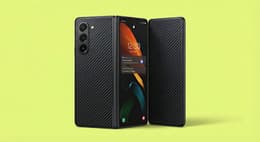
Galaxy Z Fold6 • Unlocked
Starting at

Refurbished price:$549.99

Versus $1,499.00 new

See options
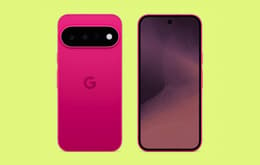
Google Pixel 9 Pro • Unlocked
Starting at

Refurbished price:$435.86

Versus $899.99 new

See options

Ratings

The Samsung Galaxy Z Fold6, released in July 2024, and the Google Pixel 9 Pro, launched in September 2024, represent distinct approaches to high-end smartphone design. The Galaxy Z Fold6 offers a unique foldable form factor, transforming from a traditional smartphone into a larger tablet-like display, while the Pixel 9 Pro maintains a conventional slab design. Both devices operate on the Android platform, with each manufacturer integrating their specific user interfaces and artificial intelligence capabilities.

Scores

Durability

When considering the long-term usability of these devices, their release timelines and software support policies are key factors.

  • Release Timeline: The Galaxy Z Fold6 was introduced in July 2024, followed by the Google Pixel 9 Pro in September 2024. This means the Pixel 9 Pro benefits from a slightly newer launch, potentially extending its relevance by a few months.
  • OS Support Duration: The Google Pixel 9 Pro is notable for offering seven years of software updates, ensuring a prolonged period of security patches and new Android features. Samsung also provides extensive software support for its flagship devices, typically aiming for a similar long-term commitment, which suggests the Galaxy Z Fold6 will also receive updates for many years.
  • Repairability and Materials: The Galaxy Z Fold6 features Corning Gorilla Glass Victus 2 on its cover screen and back panel, with an ultra-thin flexible glass (UTG) for its inner foldable display. It carries an IP48 rating, indicating dust protection and water resistance. The Pixel 9 Pro utilizes Gorilla Glass Victus 2 for its display and back, coupled with an IP68 rating for superior dust and water resistance. The foldable nature of the Z Fold6's inner screen means it is inherently more susceptible to scratches than a traditional glass display.

Release Year

2024

2024

Last OS Compatibility

Yes

Yes

OS

Android

Android

Foldable

Yes

No

Performance

Both the Galaxy Z Fold6 and the Pixel 9 Pro are equipped with advanced internal components designed for demanding tasks, though they approach performance with different hardware configurations.

  • Processor Capabilities: The Galaxy Z Fold6 is powered by a current-generation processor optimized for Galaxy devices, enabling smooth operation across various applications, from everyday browsing to intensive gaming and multitasking. The Pixel 9 Pro features Google's latest Tensor processor, engineered to excel in on-device artificial intelligence tasks and provide a highly responsive user experience.
  • RAM and Multitasking: The Pixel 9 Pro comes with 16 GB of RAM, offering substantial capacity for running numerous applications simultaneously and handling complex operations without slowdowns. The Galaxy Z Fold6 is equipped with 12 GB of RAM, which is also ample for most users' multitasking needs, though slightly less than the Pixel.
  • Battery Behavior: The Galaxy Z Fold6 houses a 4400 mAh battery, providing approximately 1.5 days of usage or around 10 hours and 35 minutes of active use in some tests. The Pixel 9 Pro features a larger 4700 mAh battery, which has demonstrated longer endurance, with some tests showing over 17 hours of video streaming and users reporting comfortable all-day usage.

Memory (GB)

12 GB

16 GB

Screen quality

The display experience is a primary differentiator between these two devices, with the Galaxy Z Fold6 offering a unique dual-screen setup and the Pixel 9 Pro providing a premium traditional display.

  • Display Technology and Size: The Galaxy Z Fold6 features a 7.6-inch foldable Dynamic AMOLED 2X main display and a 6.3-inch Dynamic AMOLED 2X cover display. Both screens offer a 120Hz adaptive refresh rate for fluid scrolling and responsiveness. The Pixel 9 Pro comes with a single 6.3-inch OLED display, also featuring a 120Hz refresh rate that can dynamically adjust to conserve power.
  • Resolution and Clarity: The Z Fold6's main display has a resolution of 2160 x 1856 pixels, while its cover screen is 2376 x 968 pixels. The Pixel 9 Pro's display offers a resolution of 2856 x 1280 pixels, resulting in a high pixel density for sharp visuals.
  • Brightness and Viewing Experience: Both devices boast impressive peak brightness levels of up to 2600 nits, ensuring excellent visibility even in bright outdoor conditions. The Z Fold6's wider cover display offers a more conventional smartphone experience when folded, while its large inner screen provides an expansive canvas for productivity and media consumption.

Resolution

1856 x 2160

1280 x 2856

Screen type

Foldable Dynamic LTPO AMOLED 2X

LTPO OLED

Audiovisual

Both smartphones are equipped with advanced camera systems, leveraging high-resolution sensors and computational photography to deliver strong imaging capabilities.

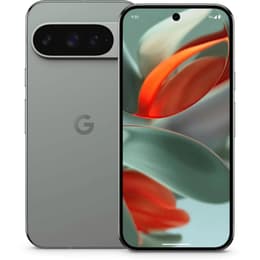
  • Rear Camera Systems: The Galaxy Z Fold6 features a triple rear camera setup, including a 50 MP wide-angle lens with optical image stabilization (OIS), a 12 MP ultra-wide lens, and a 10 MP telephoto lens with 3x optical zoom and OIS. The Pixel 9 Pro also has a triple rear camera system, comprising a 50 MP main sensor with OIS, a 48 MP ultra-wide lens with autofocus for macro shots, and a 48 MP telephoto lens offering 5x optical zoom and OIS.
  • Photography Performance: The Z Fold6 excels in capturing high-resolution images and Super HDR videos, with features like Nightography for low-light conditions and Pro mode for manual controls. The Pixel 9 Pro is renowned for its computational photography, offering features like Super Res Zoom, Night Sight, Astrophotography, and advanced AI editing tools. Its upgraded telephoto lens improves autofocus for sharper images, even in low light.
  • Video Recording and Front Cameras: Both devices support high-quality video recording, with the Z Fold6 capable of 8K at 30fps and 4K at 60fps. The Pixel 9 Pro also offers 4K 60fps recording and introduces features like Video Boost, which uses AI to enhance video quality, and Audio Magic Eraser. For selfies, the Z Fold6 has a 10 MP camera on the cover screen and a 4 MP under-display camera on the main screen. The Pixel 9 Pro features a higher-resolution 42 MP front camera with autofocus, designed for sharper and brighter selfies, even in challenging lighting.

Main camera

50 megapixels

50 megapixels

Front camera

4 megapixels

42 megapixels

Miscellaneous

Beyond core performance and display, several practical elements contribute to the overall user experience of these smartphones.

  • Connectivity and Ports: Both the Galaxy Z Fold6 and the Pixel 9 Pro support 5G connectivity and modern Wi-Fi standards, ensuring fast and reliable wireless communication. They both utilize USB-C for charging and data transfer, a common standard across contemporary smartphones.
  • Sensors and Biometrics: The Pixel 9 Pro includes an under-display fingerprint sensor for secure and convenient unlocking. The Z Fold6 also features biometric authentication, typically a side-mounted fingerprint sensor. Both devices offer face recognition capabilities.
  • Design and Handling: The Galaxy Z Fold6, when folded, measures 153.5 mm in height, 68.1 mm in width, and 12.1 mm in depth, weighing 239 g. When unfolded, it is significantly thinner at 5.6 mm. The Pixel 9 Pro has dimensions of 152.80 mm in height, 72.00 mm in width, and 8.50 mm in depth, with a weight of 199 g. The Z Fold6's wider cover screen aims to provide a more comfortable one-handed experience compared to previous foldable generations. The Pixel 9 Pro's traditional form factor offers a familiar and often more pocketable design.

Weight

8 oz

7 oz

Screen size (inches)

7.6

6.3

Network

5G

5G

SIM card

Physical SIM + eSIM

Physical SIM + eSIM

Carrier compatibility

Unlocked

Unlocked

The Samsung Galaxy Z Fold6 and the Google Pixel 9 Pro cater to different user preferences, each excelling in distinct areas. User feedback for the Galaxy Z Fold6 often praises its innovative foldable design, which offers the versatility of a large screen for productivity and media consumption in a portable form factor. The improved cover screen aspect ratio is also a common point of appreciation, making the device more usable when folded. However, some users note that the inner foldable screen, while advanced, remains more delicate than traditional glass displays and that dust ingress into the hinge can be a concern.

The Google Pixel 9 Pro is frequently lauded for its exceptional camera system, with users highlighting its advanced computational photography features and AI enhancements for both photos and videos. Its strong battery life and the promise of seven years of software updates are also significant advantages for many. Some users have reported micro scratches on the screen after a few months, suggesting that screen protection might be a worthwhile consideration.

Users prioritizing a versatile device that can transform from a compact smartphone to a larger tablet-like display for multitasking and immersive viewing may find the Galaxy Z Fold6 well-suited to their needs. Its unique form factor and S Pen support (though without an integrated slot) appeal to those seeking a blend of phone and tablet functionality. Conversely, users who prioritize a top-tier camera experience, long-term software support, and a robust, traditional smartphone design with strong battery performance will likely lean towards the Google Pixel 9 Pro. Both devices represent the pinnacle of Android technology in their respective categories, offering advanced features and performance.

For those considering either of these high-end devices, exploring quality-assured refurbished options can provide an eco-friendly alternative, extending the lifecycle of these advanced smartphones.
See all articles

Our recent comparisons