
Compare models
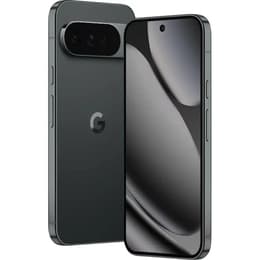
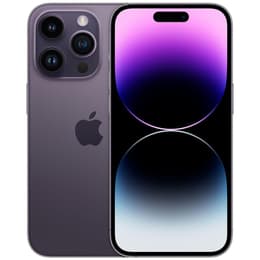
Google Pixel 10 Pro • Unlocked vs iPhone 14 Pro • Unlocked
- 1-year warranty
- Free standard shipping
- Free 30-day returns
Differences at a glance
The Google Pixel 10 Pro (2025) and the iPhone 14 Pro (2022) are premium smartphones offering high-end capabilities across different operating systems. While the iPhone 14 Pro runs on Apple's iOS platform, the Pixel 10 Pro operates on Android, bringing distinct software ecosystems, design philosophies, and feature sets to daily mobile use.
Available Models
Color
Storage (GB)
Scores
Durability
Both devices are engineered for long-term usage, though their release schedules and software support timelines differ.
- Software lifecycle: The Google Pixel 10 Pro provides multi-year operating system updates aligning with contemporary release standards, whereas the iPhone 14 Pro benefits from Apple's established history of extended software support.
- Build endurance: Each model incorporates robust glass and metal housing materials designed to handle regular daily wear while maintaining structural integrity over years of use.
Release Year
2025
2022
OS
Android
iOS
Foldable
No
No
Performance
Everyday responsiveness and multi-application handling vary based on internal hardware integration and software optimization.
- Multitasking capacity: The Google Pixel 10 Pro features generous system memory configurations that allow numerous apps to remain active simultaneously, while the iPhone 14 Pro utilizes tight hardware-software integration to manage background tasks efficiently.
- Power management: The Google Pixel 10 Pro includes a higher-capacity battery designed to sustain extended heavy usage, whereas the iPhone 14 Pro relies on optimized power draw to navigate typical daily schedules on a single charge.
Screen quality
Visual output relies on advanced display panels tailored for sharp clarity and smooth motion handling.
- Panel technology: Both smartphones utilize bright OLED screens with adaptive refresh rates reaching up to 120Hz, ensuring smooth scrolling and responsive touch interaction.
- Outdoor legibility: High peak brightness capabilities on both models allow content to remain easily viewable under direct sunlight or bright ambient lighting conditions.
Resolution
1280 x 2856
1179 x 2556
Screen type
LTPO OLED
LTPO Super Retina XDR OLED
Audiovisual
Imaging hardware and software processing provide distinct approaches to everyday photography and video capture.
- Lens configuration: Both devices offer versatile multi-lens rear camera systems featuring wide, ultra-wide, and optical zoom capabilities for varied framing options.
- Media capture: Advanced stabilization and processing pipelines on both models deliver clear video recording and reliable low-light image capture for personal media creation.
Main camera
Pro triple rear camera system
48 megapixels
Front camera
42 MP Dual PD selfie camera with autofocus
12 megapixels
Miscellaneous
Physical dimensions and connectivity standards shape how each device fits into everyday routines.
- Handling profile: The Google Pixel 10 Pro and iPhone 14 Pro offer comparable screen sizes with slightly different physical footprints, balancing pocketability and screen workspace.
- Connectivity standards: Both smartphones support current-generation 5G connectivity and fast wireless standards alongside secure biometric authentication methods for device access.
Weight
1 oz
7 oz
Screen size (inches)
6.3
6.1
Network
5G
5G
SIM card
eSIM
eSIM
Carrier compatibility
Unlocked
Unlocked
Connector
USB-C
Lightning
What the community thinks
Choosing between these two smartphones depends heavily on personal ecosystem preference and software workflow habits. Users prioritizing deep integration with Apple services, a streamlined interface, and long-term software consistency often lean toward the iPhone 14 Pro. Conversely, users who favor Android customization, advanced on-device artificial intelligence tools, and extensive multitasking memory will find the Google Pixel 10 Pro well-suited to their daily routines. Choosing a quality-assured refurbished option through Back Market also provides an eco-friendly way to access these high-end features while supporting sustainable technology consumption.