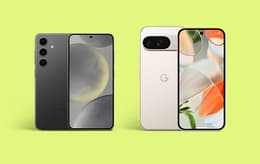
Google Pixel 6a • Unlocked vs iPhone SE (2020) • Unlocked

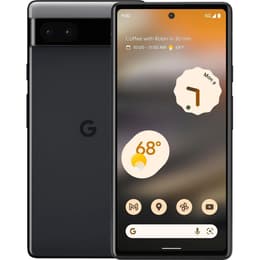
Google Pixel 6a • Unlocked
Starting at

Refurbished price:$141.00

Versus $399.00 new

See options
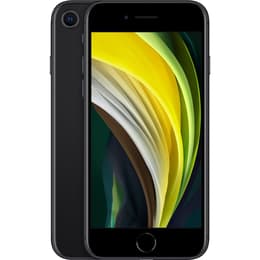
iPhone SE (2020) • Unlocked
Starting at

Refurbished price:$107.00

Versus $399.00 new

See options

Ratings

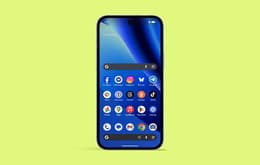
The Google Pixel 6A, released in July 2022, and the iPhone SE 2020, launched in April 2020, represent two distinct approaches to compact smartphone design within their respective ecosystems. While the Pixel 6A runs on Android and offers a more modern, full-screen design with advanced computational photography, the iPhone SE 2020 operates on iOS, retaining a classic iPhone aesthetic with a physical home button. These devices cater to users seeking capable smartphones without the larger form factors of flagship models.

Scores

Durability

When considering the longevity of these devices, several factors come into play, including their release timelines, software support, and physical repairability.

  • Release Timeline and Software Support: The Google Pixel 6A, being released in mid-2022, benefits from a more recent launch, typically translating to a longer period of guaranteed Android operating system updates and security patches from Google, often extending for five years from its release. The iPhone SE 2020, released in early 2020, has already received several major iOS updates and is known for Apple's extended software support, which can last for five to six years or more from its launch.
  • Repairability: Both devices offer a reasonable degree of repairability. The Google Pixel 6A has received repairability scores around 6.5 to 7 out of 10, with its display and battery being relatively accessible for replacement. The iPhone SE 2020 scored 6 out of 10 in repairability, largely due to its use of components interchangeable with the iPhone 8, making common repairs like screen and battery replacements straightforward. However, the iPhone SE's glass back is noted as impractical to replace.
  • Expected Practical Lifespan: Users can expect both phones to remain functional and receive critical updates for several years. The Pixel 6A's newer release date gives it a slight edge in terms of future software support duration, while the iPhone SE 2020's robust build and Apple's consistent update policy ensure a solid practical lifespan.

Release Year

2022

2020

Last OS Compatibility

Yes

Yes

OS

Android

iOS

Foldable

No

No

Performance

The performance of a smartphone is crucial for daily tasks, from navigating apps to handling demanding games. Both the Pixel 6A and iPhone SE 2020 deliver capable experiences, though with different underlying architectures.

  • Processor Capabilities: The Google Pixel 6A is equipped with a current-generation processor designed by Google, enabling smooth operation for everyday applications, efficient multitasking, and capable handling of graphically intensive games. This processor also powers advanced AI features and computational photography. The iPhone SE 2020 features a powerful processor from its release era, which provides a highly responsive user experience, quick app loading times, and fluid performance across the iOS ecosystem.
  • Multitasking and Responsiveness: With 6GB of RAM, the Pixel 6A generally manages multiple applications open simultaneously without significant slowdowns, contributing to a responsive overall system. The iPhone SE 2020, with 3GB of RAM, is optimized by iOS to maintain smooth multitasking and quick transitions between apps, even with less physical memory.
  • Battery Behavior: The Pixel 6A houses a larger 4410 mAh battery, which typically provides a full day of moderate to heavy use for many users. The iPhone SE 2020 has a smaller 1821 mAh battery, and while optimized for efficiency, heavy users may find themselves needing to recharge more frequently throughout the day. Both support 18W fast charging, but only the iPhone SE 2020 offers wireless charging.

Memory (GB)

6 GB

3 GB

Screen quality

The visual experience is a key differentiator, with both devices offering distinct display technologies and sizes.

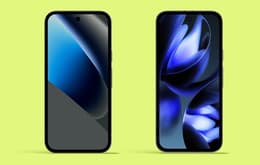
  • Display Technology and Clarity: The Google Pixel 6A features a 6.1-inch OLED display, known for its deep blacks, high contrast, and vibrant colors, providing an immersive viewing experience for media consumption. The iPhone SE 2020 comes with a 4.7-inch Retina IPS LCD display, which offers accurate color reproduction and good viewing angles, though it does not achieve the same level of contrast as an OLED panel.
  • Resolution and Brightness: The Pixel 6A's display has a resolution of 2400 x 1080 pixels, resulting in a sharp image with approximately 429 pixels per inch (ppi). The iPhone SE 2020 has a resolution of 1334 x 750 pixels, with a pixel density of around 326 ppi, which is still clear for its size. Both displays offer sufficient brightness for outdoor visibility, with the iPhone SE 2020 rated at 625 nits max brightness.
  • Refresh Rate and Size: Both smartphones feature a standard 60Hz refresh rate, which provides a smooth enough experience for most users, though it is not as fluid as higher refresh rate displays found on some other devices. The Pixel 6A's larger 6.1-inch screen offers more screen real estate for browsing and media, while the iPhone SE 2020's compact 4.7-inch display is ideal for one-handed use and users who prefer a smaller form factor.

Resolution

1080 x 2400

750 x 1334

Screen type

OLED

Retina IPS LCD

Audiovisual

Both the Pixel 6A and iPhone SE 2020 are recognized for their camera capabilities, leveraging strong software processing to enhance image quality, despite differences in hardware.

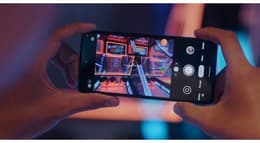
  • Rear Camera System: The Google Pixel 6A features a dual-camera setup on the rear, including a 12.2 MP wide-angle lens with optical image stabilization (OIS) and a 12 MP ultrawide lens. This provides versatility for capturing different scenes. The iPhone SE 2020 has a single 12 MP wide-angle camera with OIS, relying heavily on its powerful processor for image enhancement.
  • Photography Performance: The Pixel 6A excels in computational photography, offering features like Night Sight for improved low-light performance, Magic Eraser for object removal, and Real Tone for accurate skin representation. The iPhone SE 2020 delivers strong performance in well-lit conditions, with excellent detail and color accuracy. It supports Portrait mode for both front and rear cameras through software, and Smart HDR for better dynamic range, but lacks a dedicated Night Mode.
  • Video Recording and Front Camera: Both devices are capable of recording 4K video at up to 60 frames per second with their main rear cameras. The Pixel 6A has an 8 MP front camera, while the iPhone SE 2020 features a 7 MP front camera, both capable of recording 1080p video at 30 frames per second.

Main camera

12.2 megapixels

12 megapixels

Front camera

8 megapixels

7 megapixels

Miscellaneous

Beyond the core features, several practical elements contribute to the overall user experience and differentiate these two smartphones.

  • Connectivity Options: The Google Pixel 6A supports 5G connectivity, offering faster mobile data speeds in compatible areas, along with Wi-Fi 6E and Bluetooth 5.2. The iPhone SE 2020 is limited to 4G LTE but supports Wi-Fi 6 and Bluetooth 5.0, providing fast wireless local network speeds.
  • Port Types and Biometrics: The Pixel 6A uses a USB-C 3.1 port for charging and data transfer and features an under-display fingerprint sensor for biometric authentication. The iPhone SE 2020 utilizes Apple's proprietary Lightning port and relies on Touch ID, a physical fingerprint sensor integrated into the home button. Neither device includes a traditional 3.5mm headphone jack.
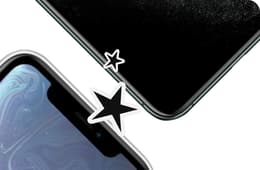
  • Physical Characteristics: The Pixel 6A measures approximately 152.2 x 71.8 x 8.7-8.9 mm and weighs 178 grams, offering a modern, nearly bezel-less design. The iPhone SE 2020 is more compact and lighter at 138.4 x 67.3 x 7.3 mm and 148 grams, featuring a design reminiscent of older iPhone models with more prominent bezels. Both devices offer IP67 dust and water resistance.

Weight

6 oz

5 oz

Screen size (inches)

6.1

4.7

Network

5G

LTE

SIM card

Physical SIM + eSIM

Physical SIM + eSIM

Carrier compatibility

Unlocked

Unlocked

User feedback for the Google Pixel 6A often praises its strong camera performance, especially its computational photography features like Night Sight and Magic Eraser, which are typically found in higher-end devices. Users also appreciate its capable processor for smooth daily operation and its vibrant OLED display. Common criticisms include the 60Hz refresh rate, which some find less fluid than higher refresh rate screens, and a battery life that, while generally good, might require a midday top-up for very heavy users.

The iPhone SE 2020 is frequently lauded for its compact size, making it comfortable for one-handed use and easy to carry. Its powerful processor from its release era ensures excellent performance for apps and games, and users often highlight the familiarity and reliability of the iOS ecosystem. Criticisms often point to its older design with thick bezels, the smaller LCD display compared to modern OLEDs, and the absence of an ultrawide camera or Night Mode. Its battery life is also a frequent point of discussion, often requiring more frequent charging than larger, more recent smartphones.

Users prioritizing a modern, full-screen Android experience with advanced camera features and 5G connectivity may find the Google Pixel 6A well-suited to their needs. Conversely, those who prefer the iOS ecosystem, a highly compact form factor, a physical home button with Touch ID, and wireless charging, might lean toward the iPhone SE 2020. Both devices offer solid performance within their respective categories, and choosing between them often comes down to operating system preference, design aesthetic, and specific feature priorities. For those looking for a more sustainable choice, considering a quality-assured refurbished option for either model can be an eco-friendly alternative.

See all articles

Our recent comparisons