
Google Pixel
Compare models
Differences at a glance
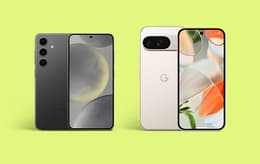
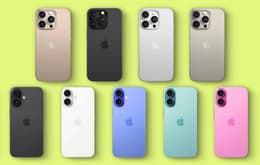
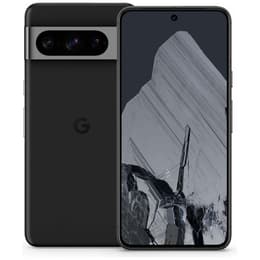
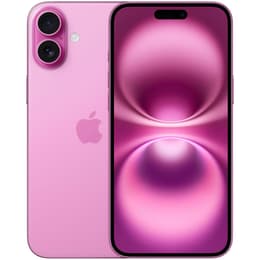
The Google Pixel 8 Pro, released in October 2023, and the Apple iPhone 16 Plus, launched in September 2024, represent distinct approaches to high-end smartphone design and functionality. While both devices offer advanced mobile experiences, they differ significantly in their operating systems, core hardware, and unique feature sets. This comparison aims to highlight these differences to help users determine which device best suits their individual needs.
Color
Storage
When considering the long-term usability of a smartphone, software support and physical resilience are key factors. The Pixel 8 Pro and iPhone 16 Plus offer different commitments in these areas.
Release Year
Last OS Compatibility
Foldable
The performance of a smartphone is crucial for smooth daily operation, from launching applications to handling demanding tasks. Both the Pixel 8 Pro and iPhone 16 Plus are equipped with powerful processors, but their architectures and real-world implications vary.
The display is a primary interface for smartphone interaction, and both devices offer high-quality viewing experiences with distinct characteristics.
Resolution
Screen type
Both the Google Pixel 8 Pro and the iPhone 16 Plus are designed to deliver advanced photographic and videographic capabilities, though they approach imaging with different hardware and software philosophies.
Main camera
Front camera
Beyond core performance and imaging, several practical features contribute to the overall user experience and daily convenience of these smartphones.
Weight
Screen size (inches)
Network
SIM card
Carrier compatibility
Connector
The Google Pixel 8 Pro and the iPhone 16 Plus each offer compelling features tailored to different user preferences. Users frequently praise the Pixel 8 Pro for its exceptional camera capabilities, particularly its advanced computational photography features like Magic Editor and Best Take, which simplify complex photo editing. Its long-term software support commitment is also a significant advantage, ensuring the device remains updated and secure for many years. Some users, however, have noted that while the battery life is generally good, it might not always meet the demands of extremely heavy usage without a top-up.
The iPhone 16 Plus is often lauded for its tremendous battery life, with many users experiencing multi-day usage on a single charge, making it a strong contender for those prioritizing endurance. Its smooth performance, driven by the A-series chip, and the intuitive iOS ecosystem are also consistent points of praise. Criticisms sometimes point to the 60Hz refresh rate display, which some users might find less fluid compared to devices with higher refresh rates.
Users prioritizing a highly versatile camera system with advanced AI-driven editing tools and a longer guaranteed software update period may find the Google Pixel 8 Pro well-suited to their needs. Conversely, users who value exceptional battery longevity, a robust and familiar operating system, and a streamlined user experience might lean toward the iPhone 16 Plus. Both devices represent excellent choices in the premium smartphone segment, and considering a quality-assured refurbished option for either model can be an eco-friendly alternative to purchasing new, offering a sustainable choice without compromising on performance or features.