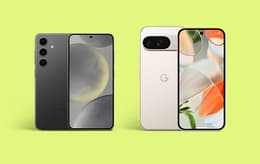
Google Pixel 8 • Unlocked vs iPhone SE (2022) • Locked T-Mobile

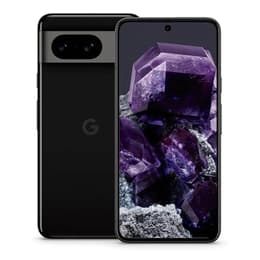
Google Pixel 8 • Unlocked
Starting at

Refurbished price:$254.00

Versus $699.99 new

See options
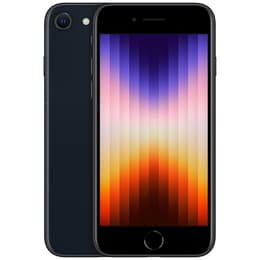
iPhone SE (2022) • Locked T-Mobile
Starting at

Refurbished price:$124.00

Versus $429.00 new

See options

Ratings

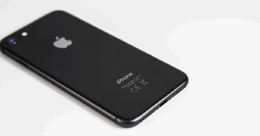
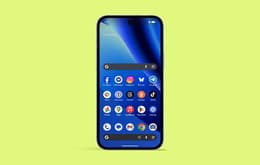
The Google Pixel 8, released in October 2023, and the Apple iPhone SE (2022), launched in March 2022, represent distinct approaches to smartphone design and functionality. While the Pixel 8 offers a modern Android experience with advanced computational photography and a contemporary design, the iPhone SE (2022) provides a compact iOS experience, retaining a classic form factor with a powerful internal processor. These differences cater to users with varying preferences for operating systems, screen sizes, and feature sets.

Scores

Durability

When considering the longevity of these devices, both offer substantial software support, though with different timelines and approaches.

  • Software Support: The Google Pixel 8 is notable for its commitment to seven years of OS and security updates, extending its support well into 2030. The iPhone SE (2022) typically receives iOS updates for approximately five to seven years from its release, with some sources suggesting support until around 2028.
  • Repairability: The Pixel 8 generally receives moderate repairability scores, with some teardowns giving it a 7 out of 10, noting that self-repairs are possible for experienced users, and Google provides public service manuals and OEM parts. The iPhone SE (2022) also has an average repairability score, often around 5.5 or 6 out of 10, benefiting from shared design elements with older iPhone models which can make some parts more readily available.
  • Practical Lifespan: Given their respective update policies, the Pixel 8 is designed for a longer software lifespan, potentially offering a more extended period of optimal performance and security. The iPhone SE (2022), while still well-supported, will likely see its software updates conclude sooner than the Pixel 8.

Release Year

2023

2022

Last OS Compatibility

Yes

Yes

OS

Android

iOS

Foldable

No

No

Performance

Both smartphones deliver capable performance for everyday tasks, though they achieve this through different hardware and software optimizations.

  • Processing Power: The Pixel 8 handles demanding applications and multitasking smoothly, thanks to its current-generation processor designed for efficient AI and machine learning tasks. The iPhone SE (2022) features a powerful processor that ensures a highly responsive user experience across applications and games, comparable to more premium iPhone models from its release year.
  • Storage Options: The Pixel 8 is available with 128GB or 256GB of internal storage. The iPhone SE (2022) offers more varied storage configurations, including 64GB, 128GB, and 256GB options.
  • Battery Behavior: The Pixel 8 generally provides a full day of use for most users, with some reporting 8-10 hours of screen-on time with mixed usage, and lighter users sometimes achieving 1.5 days. The iPhone SE (2022) offers average battery life, typically lasting a full day for moderate use, with screen-on times around 6-7 hours, though heavy usage may require more frequent charging.

Memory (GB)

8 GB

4 GB

Screen quality

The display technologies and viewing experiences offered by these two devices present a clear contrast, catering to different user preferences.

  • Display Technology and Size: The Pixel 8 features a 6.2-inch OLED display, providing deep blacks and vibrant colors across its larger screen. In contrast, the iPhone SE (2022) utilizes a more compact 4.7-inch LCD display, which offers good color accuracy but does not achieve the same contrast levels as an OLED panel.
  • Resolution and Refresh Rate: The Pixel 8's display has a resolution of 1080 x 2400 pixels, resulting in a sharp image, and supports a variable refresh rate of 60-120Hz for smoother scrolling and animations. The iPhone SE (2022) has a resolution of 750x1334 pixels and a standard 60Hz refresh rate, which is suitable for general use but less fluid than higher refresh rate displays.
  • Brightness and Viewing Experience: The Pixel 8 offers high brightness levels, with a peak brightness of up to 2000 nits, making it highly visible even in bright outdoor conditions. The iPhone SE (2022) provides adequate brightness for most environments, though its LCD technology and lower peak brightness may offer a less optimal viewing experience in direct sunlight compared to the Pixel 8.

Resolution

1080 x 2400

750 x 1334

Screen type

OLED

Retina IPS LCD

Audiovisual

Both smartphones are capable of capturing quality images and videos, but they differ significantly in their camera systems and computational photography capabilities.

  • Rear Camera System: The Pixel 8 features a versatile dual-camera setup, including a 50-megapixel main sensor and a 12-megapixel ultrawide lens, enhanced by advanced computational photography features for improved detail and color. The iPhone SE (2022) has a single 12-megapixel wide-angle camera, which benefits from the powerful processor for image processing but lacks the versatility of multiple lenses.
  • Photography Performance: The Pixel 8 excels in various lighting conditions, with users often praising its ability to capture detailed and well-exposed photos, including strong low-light performance and advanced editing features. The iPhone SE (2022) delivers consistent and reliable photo quality in good lighting, but it notably lacks a dedicated Night Mode, which can limit its performance in very dim environments.
  • Video and Audio: Both devices are capable of recording high-quality video. The Pixel 8 supports 4K video recording at up to 60 frames per second with advanced stabilization. The iPhone SE (2022) also records 4K video at up to 60 frames per second, with optical image stabilization. The Pixel 8 includes features like Audio Magic Eraser to reduce background noise in videos.

Main camera

50 megapixels

12 megapixels

Front camera

10.5 megapixels

7 megapixels

Miscellaneous

Beyond core performance and display, several practical elements differentiate these two smartphones in terms of daily usability and physical characteristics.

  • Connectivity and Ports: The Pixel 8 supports modern connectivity standards, including 5G, Wi-Fi 7, and Bluetooth 5.3, and features a USB Type-C 3.2 port for charging and data transfer. The iPhone SE (2022) also supports 5G and Wi-Fi 6, along with Bluetooth 5, but retains the Lightning port.
  • Biometric Security: The Pixel 8 incorporates an optical under-display fingerprint sensor and face recognition for unlocking and authentication. The iPhone SE (2022) features the familiar Touch ID fingerprint sensor integrated into its home button.
  • Design and Durability: The Pixel 8 has a modern design with a glass front and back (Gorilla Glass Victus) and an aluminum frame, offering IP68 dust and water resistance. The iPhone SE (2022) maintains a classic design with a home button, featuring durable glass on the front and back and an IP67 rating for water and dust resistance. The Pixel 8 is larger and heavier at 150.5 x 70.8 x 8.9 mm and 187g, compared to the iPhone SE (2022)'s more compact 138.4 x 67.3 x 7.3 mm and 144g.

Weight

7 oz

3 oz

Screen size (inches)

6.2

4.7

Network

5G

5G

SIM card

Physical SIM + eSIM

Physical SIM + eSIM

Carrier compatibility

Unlocked

T-Mobile

Connector

USB-C

Lightning

User feedback for the Google Pixel 8 often highlights its excellent camera capabilities, smooth performance, and the long-term software support commitment as significant advantages. Some users have noted occasional concerns regarding the fingerprint reader, modem performance, or initial battery optimization, though many report a full day of battery life with mixed use. The iPhone SE (2022) is frequently praised by users who appreciate its compact size, comfortable one-handed use, and the continued presence of the Touch ID home button. Criticisms often revolve around its dated design, the smaller LCD screen compared to modern smartphones, and the absence of features like Night Mode in its camera.

Users prioritizing a modern Android experience with advanced camera features, a larger, high-refresh-rate OLED display, and extended software longevity may find the Google Pixel 8 well-suited to their needs. Conversely, individuals who prefer a compact form factor, the familiarity of iOS with a home button, and a device that excels at core smartphone functions without the latest visual flair, might lean toward the iPhone SE (2022). Both devices offer reliable performance within their respective ecosystems, and choosing between them often comes down to personal preference for design, operating system, and specific feature priorities. For those considering either model, exploring quality-assured refurbished options can be an eco-friendly alternative.

See all articles

Our recent comparisons