
Compare models
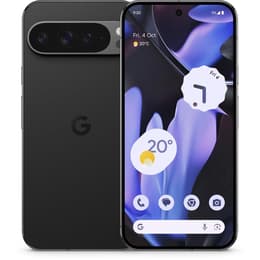
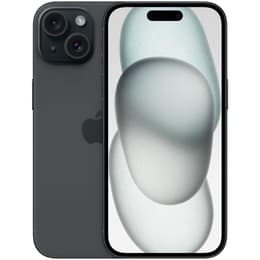
Google Pixel 9 Pro • Unlocked vs iPhone 15 • Locked T-Mobile
- 1-year warranty
- Free standard shipping
- Free 30-day returns
Differences at a glance
The Google Pixel 9 Pro, released in late 2024, and the iPhone 15, launched in late 2023, represent distinct approaches to the modern smartphone experience. While both offer premium features and robust performance, they cater to different user preferences through their respective operating systems and hardware philosophies. The Pixel 9 Pro emphasizes advanced artificial intelligence capabilities and a versatile camera system, running on Android, while the iPhone 15 focuses on a streamlined user experience, strong ecosystem integration, and a reliable camera, powered by iOS.
Available Models
Color
Storage (GB)
Scores
Durability
When considering the longevity of these devices, both the Google Pixel 9 Pro and the iPhone 15 offer substantial software support and durable designs, though with some differences in their expected practical lifespans.
- Release Timeline: The Google Pixel 9 Pro, being a 2024 release, benefits from a newer launch date compared to the iPhone 15, which debuted in 2023. This typically translates to an additional year of major software updates for the Pixel 9 Pro.
- Software Support: Google has committed to providing seven years of major OS updates for the Pixel 9 Pro, ensuring long-term access to new features and security patches. The iPhone 15 is guaranteed a minimum of five years of iOS updates, with Apple historically extending support for up to six or seven years for its devices.
- Durability Features: Both devices feature robust build materials. The iPhone 15 incorporates a Ceramic Shield front cover and an IP68 rating for water and dust resistance. The Pixel 9 Pro is equipped with Gorilla Glass Victus 2 for screen protection and is expected to carry a similar IP68 rating. The iPhone 15 has seen improvements in repairability, achieving a score of 7/10 after initial assessments.
Release Year
2024
2023
Last OS Compatibility
Yes
Yes
OS
Android
iOS
Foldable
No
No
Performance
The performance of a smartphone is crucial for daily tasks, from browsing and multitasking to demanding applications and gaming. Both the Google Pixel 9 Pro and the iPhone 15 deliver responsive experiences, powered by their respective advanced processors.
- Processing Power: The Pixel 9 Pro is equipped with Google's Tensor G4 chip, designed to optimize on-device artificial intelligence tasks and provide smooth overall performance. The iPhone 15 features the A16 Bionic chip, known for its efficient power management and strong performance in graphics-intensive applications.
- Multitasking and Storage: The Pixel 9 Pro comes with 16GB of RAM, which supports extensive multitasking and complex AI computations. The iPhone 15 typically includes 6GB of RAM, which is optimized for iOS's efficient memory management. Storage options for the Pixel 9 Pro range from 128GB up to 1TB, while the iPhone 15 offers 128GB, 256GB, and 512GB.
- Battery Behavior: The Pixel 9 Pro houses a 4700mAh battery, with users reporting excellent endurance, often extending to two days of moderate use. The iPhone 15 offers up to 20 hours of video playback, and Apple has indicated its battery is designed to retain 80% of its capacity after 1000 charge cycles.
Screen quality
The visual experience on a smartphone is largely defined by its display, and both devices offer vibrant and clear screens, though with key differences in technology and refresh rates.
- Display Technology and Clarity: The Google Pixel 9 Pro features a 6.3-inch Super Actua OLED panel with a QHD+ resolution of 1280 x 2856 pixels, providing sharp images and text. The iPhone 15 comes with a 6.1-inch Super Retina XDR OLED display, offering a resolution of 2556x1179 pixels at 460 ppi, known for its deep blacks and accurate color reproduction.
- Brightness and Refresh Rate: The Pixel 9 Pro's display boasts a peak brightness of 3000 nits, ensuring excellent visibility even in bright outdoor conditions, and features a variable refresh rate from 1Hz to 120Hz for smooth scrolling and adaptive power saving. The iPhone 15 has a peak outdoor brightness of 2000 nits and a standard 60Hz refresh rate.
- Screen Features: The Pixel 9 Pro includes an ultrasonic fingerprint sensor embedded in the display for secure unlocking. The iPhone 15 features the Dynamic Island, an interactive area around the front camera that displays alerts and background activities.
Resolution
1280 x 2856
1179 x 2556
Screen type
LTPO OLED
Super Retina XDR OLED
Audiovisual
Both the Google Pixel 9 Pro and the iPhone 15 are equipped with advanced camera systems, each excelling in different aspects of photography and videography.
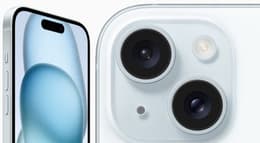
- Rear Camera Systems: The Pixel 9 Pro features a triple-camera setup, including a 50MP main sensor, a 48MP ultrawide lens with a 123° field of view and autofocus, and a 48MP telephoto lens capable of 5x optical zoom and up to 30x Super Res Zoom. The iPhone 15 has an advanced dual-camera system with a 48MP main camera that uses a quad-pixel sensor to enable 2x telephoto capabilities, and a 12MP ultrawide camera with a 120° field of view.
- Photography Performance: The Pixel 9 Pro leverages Google's computational photography for enhanced detail and color accuracy, particularly in challenging lighting conditions, and introduces features like 'Add Me' for combining group photos. The iPhone 15 offers improved low-light performance, next-generation portraits with Focus and Depth Control, and Smart HDR 5 for lifelike skin tones.
- Video Capabilities and Front Camera: The Pixel 9 Pro's Tensor G4 chip supports 8K video encoding, and the Pixel Camera app is expected to support 8K video recording at 30 frames per second. It also features a 42MP front-facing camera with autofocus. The iPhone 15 records 4K Dolby Vision video up to 60fps and includes Cinematic mode for depth-of-field effects, alongside a 12MP front camera with autofocus.
Main camera
50 megapixels
48 megapixels
Front camera
42 megapixels
12 megapixels
Miscellaneous
Beyond core specifications, several practical elements contribute to the overall user experience, including connectivity, physical design, and unique features.
- Connectivity and Ports: Both devices support 5G cellular networks. The Pixel 9 Pro is expected to feature Wi-Fi 7 and Bluetooth 5.4, while the iPhone 15 uses Wi-Fi 6 and Bluetooth 5.3. A notable difference is the port type: the Pixel 9 Pro uses USB-C, as does the iPhone 15, marking a transition for Apple's device.
- Design and Handling: The Pixel 9 Pro features a redesigned camera array with a distinct, rounded island and flatter sides, contributing to a modern aesthetic. The iPhone 15 maintains Apple's signature flat-edged design with an aluminum frame and a color-infused glass back. The Pixel 9 Pro has a 6.3-inch display, making it a more compact Pro model, while the iPhone 15 has a 6.1-inch display.
- Security and Other Features: The Pixel 9 Pro incorporates an ultrasonic fingerprint sensor under the display for biometric security, alongside face recognition. The iPhone 15 relies on Face ID for secure authentication. Both devices offer satellite connectivity for emergency situations.
Weight
7 oz
171 oz
Screen size (inches)
6.3
6.1
Network
5G
5G
SIM card
Physical SIM + eSIM
eSIM
Carrier compatibility
Unlocked
T-Mobile
Connector
USB-C
USB-C (USB 2)
What the community thinks
The Google Pixel 9 Pro and the iPhone 15 each present compelling options for smartphone users, with their strengths aligning with different priorities. User feedback for the Pixel 9 Pro often highlights its exceptional camera capabilities, particularly its advanced AI features and versatile zoom options, as well as its impressive battery life. Some users appreciate Google's commitment to long-term software support. For the iPhone 15, common praise points include its intuitive iOS ecosystem, consistent performance, and the reliability of its camera system for everyday photography.
Users prioritizing cutting-edge artificial intelligence integration, extensive camera versatility with advanced zoom, and a longer software update commitment may find the Google Pixel 9 Pro well-suited to their needs. Its larger RAM capacity and high refresh rate display also appeal to those who engage in heavy multitasking or mobile gaming. Conversely, users who value a highly polished and user-friendly operating system, a robust app ecosystem, and a device known for its consistent performance and strong privacy features will likely lean towards the iPhone 15. Its compact size and Ceramic Shield durability are also significant factors for many.
Ultimately, the choice between these two devices depends on individual preferences for operating system, specific feature priorities, and design aesthetics. Both models are available as quality-assured refurbished options, providing an eco-friendly alternative for consumers seeking to make a sustainable choice.