
Galaxy S21 FE 5G • Unlocked vs iPhone 15 • Unlocked

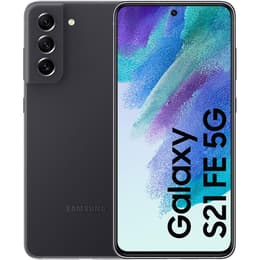
Galaxy S21 FE 5G • Unlocked
Starting at

Refurbished price:$133.00

Versus $699.99 new

See options
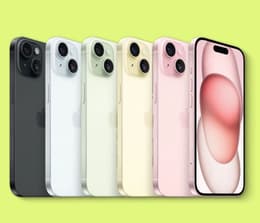
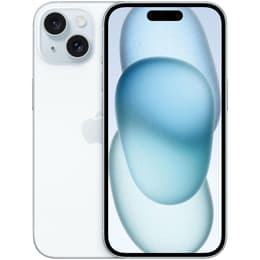
iPhone 15 • Unlocked
Starting at

Refurbished price:$359.99

Versus $729.00 new

See options

Ratings

The Samsung Galaxy S21 FE 5G, released in January 2022, and the Apple iPhone 15, launched in September 2023, represent distinct offerings from their respective ecosystems. While both are capable smartphones, they cater to different user preferences through their operating systems and hardware philosophies. The iPhone 15 features a more recent processor and an advanced camera system, whereas the Galaxy S21 FE provides a larger display with a higher refresh rate and the flexibility of the Android platform.

Scores

Durability

When considering long-term usability, both devices offer robust build quality and software support, though with different timelines and approaches.

  • Software Longevity: The iPhone 15, being a more recent release, is expected to receive iOS updates for approximately 5-7 years, extending its software lifespan well into the late 2020s. The Galaxy S21 FE, from early 2022, typically receives 4 major Android OS updates and 5 years of security patches, meaning its official support will likely conclude around early 2027.
  • Physical Durability: Both phones feature IP68 water and dust resistance, offering protection against immersion. The iPhone 15 utilizes Apple's Ceramic Shield front cover for enhanced drop protection, while the Galaxy S21 FE uses Corning Gorilla Glass Victus.
  • Practical Lifespan: Users prioritizing the absolute longest official software support will find the iPhone 15 more suitable. However, the Galaxy S21 FE remains a capable device with several years of practical use ahead, especially for those comfortable with community support post-official updates.

Release Year

2022

2023

Last OS Compatibility

Yes

Yes

OS

Android

iOS

Foldable

No

No

Performance

Performance differences between these two models are notable, primarily due to their release dates and underlying hardware architectures.

  • Everyday Responsiveness: The iPhone 15, equipped with a more recent-generation processor, handles demanding applications, complex multitasking, and graphic-intensive games with fluidity and speed. Users will experience instant app launches and seamless transitions.
  • Multitasking and Gaming: The Galaxy S21 FE, featuring a processor that was flagship-tier in 2021, still delivers strong performance for most daily tasks, including social media, web browsing, and moderate gaming. However, for the most intensive mobile games or professional-grade applications, the iPhone 15 offers a more consistent and future-proof experience.
  • Storage Options: Both devices offer various internal storage configurations, allowing users to choose based on their needs for apps, photos, and videos. Neither model supports expandable storage via microSD cards.

Memory (GB)

6 GB

6 GB

Screen quality

The display experience on these two smartphones presents distinct characteristics, primarily in size, refresh rate, and specific features.

  • Display Technology and Clarity: Both phones feature vibrant OLED displays, offering deep blacks and excellent contrast. The iPhone 15 has a 6.1-inch Super Retina XDR display, known for its exceptional color accuracy and high peak brightness, making content clear even in bright outdoor conditions. The Galaxy S21 FE sports a slightly larger 6.4-inch Dynamic AMOLED 2X display.
  • Smoothness and Responsiveness: A key difference is the refresh rate. The Galaxy S21 FE offers a 120Hz refresh rate, providing noticeably smoother scrolling and animations compared to the iPhone 15's standard 60Hz display.
  • Unique Features: The iPhone 15 incorporates the Dynamic Island, a dynamic notification and activity hub that integrates with the front camera cutout. The Galaxy S21 FE offers a more traditional punch-hole camera design.

Resolution

1080 x 2340

1179 x 2556

Screen type

Dynamic AMOLED 2X

Super Retina XDR OLED

Audiovisual

Both devices provide capable camera systems, but they approach photography with different hardware and computational strengths.

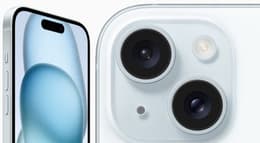
  • Main Camera Performance: The iPhone 15 features a 48-megapixel main sensor that excels in capturing detailed images, particularly in challenging lighting conditions, leveraging advanced computational photography. The Galaxy S21 FE has a 12-megapixel main sensor that delivers consistently good photos in well-lit environments and offers reliable everyday performance.
  • Low-light and Video Quality: The iPhone 15 generally offers superior video capabilities, with smoother 4K 60fps recording and better stabilization. In extreme low-light conditions, the iPhone 15 tends to produce brighter images with better dynamic range. The Galaxy S21 FE's camera performs well in good lighting, but some users note inconsistencies in ultra-wide lens color profiles and less effective video stabilization at higher resolutions.
  • Front Camera and Zoom: The Galaxy S21 FE features a 32-megapixel front camera, while the iPhone 15 has a 12-megapixel front camera. For zoom capabilities, the Galaxy S21 FE offers a dedicated 8-megapixel telephoto lens with 3x optical zoom and up to 30x digital zoom, whereas the iPhone 15 relies on its high-resolution main sensor for 2x optical quality zoom.

Main camera

12 megapixels

48 megapixels

Front camera

32 megapixels

12 megapixels

Miscellaneous

Beyond core features, several practical elements differentiate these two smartphones in daily use.

  • Connectivity and Ports: Both devices support 5G connectivity. The iPhone 15 features Wi-Fi 6E and Bluetooth 5.3, offering slightly newer wireless connections compared to the Galaxy S21 FE's Wi-Fi 6 and Bluetooth 5.0. Both phones utilize a USB-C port for charging and data transfer.
  • Biometrics and Design: The iPhone 15 relies on Face ID for facial recognition, while the Galaxy S21 FE uses an in-display optical fingerprint sensor. The iPhone 15 has a more compact 6.1-inch form factor with a glass back and aluminum frame, weighing 171g. The Galaxy S21 FE is slightly larger at 6.4 inches, with a plastic back and an aluminum frame, weighing 177g.
  • Other Features: The iPhone 15 includes features like Crash Detection and Emergency SOS via Satellite. The Galaxy S21 FE supports wireless charging and reverse wireless charging.

Weight

7 oz

171 oz

Screen size (inches)

6.4

6.1

Network

5G

5G

SIM card

Physical SIM

eSIM

Carrier compatibility

Unlocked

Unlocked

User feedback for the Galaxy S21 FE often praises its vibrant 120Hz display, versatile camera system with optical zoom, and the customization options of the Android operating system. Some common criticisms include its plastic back and occasional heating issues, particularly with the Exynos variant. Battery life is generally considered average, lasting a full day with moderate use but draining faster with heavy gaming or 5G usage.

The iPhone 15 is frequently lauded for its powerful and efficient processor, exceptional camera performance, long-term software support, and the intuitive iOS ecosystem with the Dynamic Island. Users appreciate its strong battery life, often lasting a full day of heavy use, and its premium build quality. Criticisms sometimes point to its 60Hz display refresh rate, which some users coming from higher refresh rate Android phones find less smooth, and the incremental nature of some upgrades compared to previous iPhone models.

Users prioritizing a smoother display experience, a dedicated optical telephoto lens, and the flexibility of Android may find the Galaxy S21 FE 5G a compelling choice. Conversely, those who value cutting-edge performance, extended software longevity, superior video capabilities, and the integrated Apple ecosystem will likely lean towards the iPhone 15. Both devices offer a quality-assured refurbished option, providing an eco-friendly alternative for consumers.

See all articles

Our recent comparisons