
Compare models
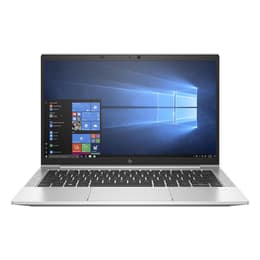
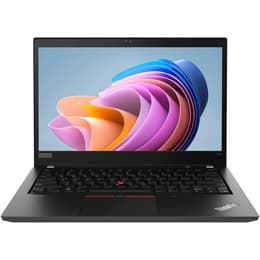
HP EliteBook 830 G7 13" vs Lenovo ThinkPad T14 G1 14"
- 1-year warranty
- Free standard shipping
- Free 30-day returns
Differences at a glance
The HP EliteBook 830 G7 (2020) and the Lenovo ThinkPad T14 Gen 1 (2020) are professional-grade 13-inch and 14-inch laptops designed for corporate environments, students, and remote workers. Both machines run on the Windows operating system and offer robust productivity features, yet they cater to slightly different ergonomic preferences. While the HP EliteBook prioritizes a compact, lightweight footprint with a smaller screen, the Lenovo ThinkPad focuses on expansive keyboard space and comprehensive legacy connectivity. Choosing between them depends largely on daily mobility needs and screen size preferences.
Available Models
Storage (GB)
Processor
Memory (GB)
Scores
Durability
When examining longevity and hardware endurance, both devices offer solid build standards backed by enterprise-grade component selection, though their software lifecycle paths depend heavily on system configurations and operating system updates.
- Software Support and Updates: Both models receive standard security updates from Microsoft for Windows, while firmware and driver updates are reliably supplied by HP and Lenovo to maintain hardware stability over time.
- Repairability and Build Maintenance: The Lenovo ThinkPad T14 Gen 1 offers a slightly more modular internal design with accessible components, whereas the HP EliteBook 830 G7 relies on a slim chassis that requires careful handling during internal component replacements.
- Expected Practical Lifespan: Both laptops deliver multi-year usability for standard office tasks, web browsing, and document editing, making a quality-assured refurbished option a sustainable choice for reducing electronic waste without sacrificing core productivity.
Release Year
2020
2020
OS
Windows 11
Windows 11
Performance
Performance profiles across these two business laptops remain closely matched for daily computing tasks, though thermal design and configuration variants influence how each handles sustained workloads.
- Everyday Speed and Multitasking: Both devices load office applications, manage dozens of browser tabs, and handle video conferencing smoothly, supported by ample memory configurations.
- Storage and System Responsiveness: Solid-state drive storage options on both models ensure rapid system boot times and swift file transfers, keeping workflow interruptions to a minimum.
- Thermal Management and Battery Behavior: The HP EliteBook utilizes a slim chassis design that may ramp up fan noise during intensive tasks, while the Lenovo ThinkPad balances sustained processing loads efficiently to maintain consistent battery runtime throughout a standard workday.
Graphic card
Integrated Graphics
Integrated Graphics
Screen quality
Display characteristics differ primarily in size and panel surface treatment, directly influencing viewing comfort during prolonged office sessions or traveling.
- Display Technology and Panel Options: Both laptops feature crisp liquid crystal displays with anti-glare coatings that minimize harsh reflections under fluorescent office lighting or near windows.
- Resolution and Clarity: Standard configurations offer sharp detail rendering for text documents, spreadsheets, and media consumption, ensuring high legibility for daily work tasks.
- Brightness and Form Factor: The HP EliteBook 830 G7 provides a compact 13-inch viewing area with moderate outdoor visibility, whereas the Lenovo ThinkPad T14 Gen 1 features a slightly larger 14-inch workspace that accommodates split-screen multitasking with greater visual ease.
Resolution
1920 x 1080
1920 x 1080
Audiovisual
Media capabilities for remote collaboration and casual entertainment meet standard professional requirements on both machines, ensuring clear communication channels.
- Webcam and Video Conferencing: Both models integrate standard definition webcams equipped with privacy shutter mechanisms, delivering adequate video clarity for routine virtual meetings and video calls.
- Microphone and Audio Clarity: Integrated multi-array microphones capture voice input cleanly while filtering out ambient background hums, supported by stereo speakers tuned for spoken dialogue and casual media streaming.
Miscellaneous
Physical design choices, port selections, and daily handling characteristics highlight distinct engineering priorities between the two manufacturers.
- Port Selection and Connectivity: The Lenovo ThinkPad T14 Gen 1 includes a wide array of ports including a full-size network jack and standard video outputs, while the HP EliteBook 830 G7 opts for a slimmer profile that relies heavily on universal USB-C connectivity.
- Input Devices and Ergonomics: The ThinkPad features a signature tactile keyboard layout with a trackpoint controller, whereas the EliteBook offers a low-profile, click-focused keyboard experience suited for fast typing on the move.
- Dimensions and Weight: The HP EliteBook is lighter and more compact for frequent travelers, while the Lenovo ThinkPad trades a small amount of portability for a larger screen and broader physical port versatility.
Weight
5 oz
4 oz
Screen size
13
14
What the community thinks
User feedback from online communities highlights distinct preferences for each device based on workflow habits. Owners of the HP EliteBook 830 G7 frequently praise its lightweight portability, professional finish, and comfortable travel footprint, though some users note that heavy multitasking can trigger noticeable fan noise. Conversely, users of the Lenovo ThinkPad T14 Gen 1 widely commend its exceptional keyboard feedback, extensive port variety, and sturdy chassis durability, though its slightly heavier frame receives occasional remarks from frequent flyers. Users prioritizing maximum portability and a compact desk footprint may prefer the HP EliteBook, while users requiring traditional port connections and a larger typing area often lean toward the Lenovo ThinkPad. Opting for a certified refurbished model provides a sustainable, eco-friendly alternative that extends the operational life of enterprise hardware. Evaluating personal workspace constraints and peripheral needs will ultimately guide the most practical selection.