Compare models
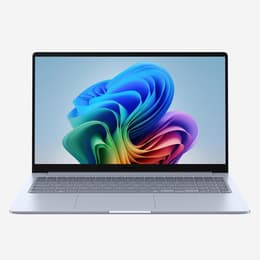
HP Pro x360 Fortis G10 11" vs Samsung Galaxy Book4 15"
- 1-year warranty
- Free standard shipping
- Free 30-day returns
Differences at a glance
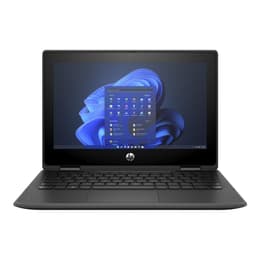
The HP Pro x360 Fortis G10 11" (2022) and the Samsung Galaxy Book4 15" (2024) are distinct portable computers designed for very different usage scenarios. While the HP model functions as a rugged, compact convertible built for flexibility, the Samsung device offers a traditional, expansive workspace tailored for productivity. Both machines operate on the Windows platform, yet their contrasting form factors define entirely separate everyday experiences.
Available Models
Storage
Processor
Memory
Scores
Durability
When evaluating structural longevity and software support, both laptops provide reliable foundations though they approach durability through different structural design choices.
- Software lifecycle: Both devices run on current Windows environments, ensuring regular security patches and operating system updates for several years following their respective release years.
Build resilience: The HP model emphasizes physical protection with reinforced corners and a spill-resistant keyboard designed for frequent transport, whereas the Samsung laptop utilizes a streamlined chassis focused on office and home environments.
Repair structure: Standard component maintenance is supported across both lineups, helping extend active service years through professional servicing when parts experience wear.
Release Year
2022
2025
OS
Windows 11
Windows 11
Performance
Daily computing responsiveness and multi-application handling vary significantly depending on internal configurations and thermal designs.
- Multitasking capacity: The Samsung device accommodates larger memory configurations and current-generation processing architecture, making it well-suited for running numerous browser tabs and heavy office suites simultaneously.
Everyday responsiveness: The HP machine handles routine administrative tasks, web browsing, and document editing smoothly, though heavy computational tasks run more efficiently on the Samsung platform.
Power retention: Battery behavior differs based on screen size and internal hardware demands, with the larger Samsung chassis accommodating a high-capacity battery for extended away-from-outlet work sessions.
Graphic card
Integrated Graphics
Integrated
Screen quality
Visual workspace and display construction differ greatly between the compact convertible screen and the expansive traditional panel.
- Screen dimensions: The HP features an 11.6-inch touchscreen that folds back completely into tablet or tent modes, while the Samsung presents a 15.6-inch non-folding display optimized for side-by-side window multitasking.
Clarity and resolution: The Samsung model delivers a higher resolution panel with sharp text rendering, whereas the HP prioritizes interactive touch sensitivity and flexible positioning over high-definition pixel density.
Lighting performance: Both screens manage indoor lighting effectively, though users working near bright windows will find the Samsung display's anti-reflective properties helpful for reducing glare.
Resolution
1366 x 768
2880 x 1800
Screen type
LCD
LCD
Audiovisual
Multimedia capabilities, audio output, and remote communication tools cater to varying needs for virtual meetings and media consumption.
- Webcam utility: Both laptops feature integrated webcams and microphones suitable for routine video calls, with certain configurations of the HP model including an optional world-facing camera for versatile capture.
Audio delivery: Built-in stereo speakers provide clear dialogue for virtual conferences and instructional videos, though external headphones or speakers improve music and movie playback on both units.
Media engagement: The larger display and wider sound profile of the Samsung machine create an immersive environment for watching video content.
Miscellaneous
Physical dimensions, port selections, and handling characteristics dictate how comfortably each computer adapts to different travel and workspace arrangements.
- Port selection: The HP includes traditional connections like Ethernet alongside modern USB ports, whereas the Samsung relies on a slim profile featuring versatile USB Type-C and HDMI slots.
Portability factors: The HP weighs approximately 1.51 kg within a smaller 11-inch footprint that fits easily into tight spaces, while the Samsung weighs around 1.55 kg distributed across a much broader 15-inch chassis.
Handling design: The HP's 360-degree hinge structure allows versatile transformation into alternative viewing angles, contrasting with the rigid clamshell posture of the Samsung.
Weight
4 oz
5 oz
Screen size
11
15
What the community thinks
User feedback from online communities highlights distinct preferences for each device depending on daily workflow requirements. Owners of the HP Pro x360 Fortis G10 frequently praise its resilient build quality, multi-mode hinge flexibility, and compact footprint that travels effortlessly. Conversely, Samsung Galaxy Book4 users often commend the generous screen real estate, comfortable typing layout, and fast processing speeds that streamline multi-window office tasks.
Users prioritizing maximum physical portability, touch interaction, and convertible flexibility will find the HP model well-suited to their daily routine. Meanwhile, users who value a spacious viewing area, robust multitasking capability, and a traditional typing experience may lean toward the Samsung device. For those seeking a sustainable choice, a quality-assured refurbished option provides a reliable path to acquiring either machine while minimizing environmental impact.