Compare models
HP Pro x360 Fortis G10 11" vs Samsung Galaxy Book4 Pro 14"
- 1-year warranty
- Free standard shipping
- Free 30-day returns
Differences at a glance
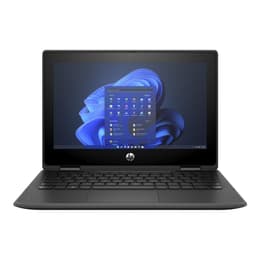
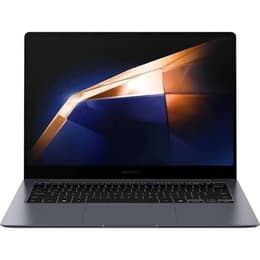
The HP Pro x360 Fortis G10 11" (2023) and the Samsung Galaxy Book4 Pro 14" (2024) represent two distinct approaches to portable computing, designed for entirely different environments. The HP model functions as a compact, convertible educational and field device running Windows, featuring a touch screen that folds back completely into a tablet configuration. In contrast, the Samsung model serves as a premium, lightweight multimedia powerhouse with a larger display format, running the same operating system ecosystem. While both laptops cater to users needing reliable on-the-go productivity, they diverge significantly in physical size, screen technology, processing capability, and intended daily workflows.
Available Models
Storage
Processor
Memory
Scores
Durability
When examining hardware longevity and software support, both machines benefit from standard Windows update lifecycles, though their physical construction targets different usage intensities.
- Software Lifespan and Support: Both devices receive regular operating system updates and security patches directly from Microsoft and their respective manufacturers. The Samsung Galaxy Book4 Pro 14" features newer internal components that may maintain optimal performance for demanding software updates further into the future, whereas the HP Pro x360 Fortis G10 11" is optimized for foundational productivity tasks that require fewer hardware resources over time.
- Build Durability and Maintenance: The HP model is built to withstand rigorous daily handling, featuring reinforced chassis elements and spill-resistant design choices suited for mobile or rugged environments. The Samsung model utilizes a sleek, slim aluminum profile that prioritizes minimal weight and a refined tactile feel over heavy-duty structural reinforcement, requiring standard careful handling during daily transit.
- Expected Practical Lifespan: Both laptops offer strong long-term usability depending on the user's workload, with quality-assured refurbished options providing a sustainable choice for consumers seeking extended device utility without environmental strain.
Release Year
2022
2024
OS
Windows 11
Windows 11
Performance
Performance capabilities vary widely between these two laptops due to their contrasting internal configurations, cooling strategies, and memory allotments designed for different computing tiers.
- Everyday Responsiveness and Multitasking: The Samsung Galaxy Book4 Pro 14" handles demanding office suites, heavy multitasking, and complex software smoothly thanks to its high-tier current-generation processor and generous memory configuration. The HP Pro x360 Fortis G10 11" manages web browsing, document editing, and school tasks reliably, though heavy background applications may cause noticeable slowdowns.
- Storage and Battery Behavior: Samsung offers expansive solid-state storage options alongside battery capacity engineered to sustain a full day of mixed media and office use. The HP alternative features smaller baseline storage capacities and a compact battery designed for standard classroom or workday lengths, meaning frequent travelers might need closer access to power outlets during intensive use sessions.
- System Thermal Management: The Samsung laptop incorporates active cooling for sustained performance during heavier workloads, while the HP unit often relies on efficient, lower-power processing components that generate minimal heat during standard tasks.
Graphic card
Integrated Graphics
Integrated
Screen quality
Visual output represents one of the most prominent differences when comparing the compact educational focus of the HP device against the expansive multimedia design of the Samsung option.
- Display Technology and Clarity: The Samsung Galaxy Book4 Pro 14" features a vibrant AMOLED display with deep contrast levels, sharp resolution, and wide color accuracy suited for detailed photo editing and media consumption. The HP Pro x360 Fortis G10 11" utilizes a smaller, standard resolution touch screen designed primarily for clear text rendering and straightforward educational interactions rather than color-critical creative work.
- Brightness and Outdoor Usability: The Samsung screen provides high peak brightness levels and anti-reflective properties that maintain visibility in sunlit environments or brightly lit offices. The HP display offers adequate brightness for indoor classrooms or standard workspaces, though direct sunlight can reduce legibility.
- Size and Form Factor: The 14-inch Samsung screen provides ample workspace for side-by-side window multitasking, whereas the 11-inch HP screen emphasizes maximum portability and a smaller footprint on crowded desks or tablet-mode usage in tight spaces.
Resolution
1366 x 768
2880 x 1800
Screen type
LCD
OLED
Audiovisual
Multimedia peripherals such as webcams, microphones, and speakers vary to match the communication and collaboration needs of each device category.
- Webcam and Video Calling: The Samsung Galaxy Book4 Pro 14" is equipped with a high-definition webcam accompanied by studio-quality microphone arrays and software enhancements for video conferences. The HP Pro x360 Fortis G10 11" includes a standard-definition camera and functional microphone setup adequate for routine remote check-ins and virtual learning sessions.
- Audio Output and Speaker Quality: Samsung integrates multi-speaker configurations tuned to deliver clear, balanced sound output for media streaming and calls. HP provides modest internal speakers designed primarily for clear voice delivery during speech-based applications rather than room-filling entertainment.
- Content Creation and Capture: Neither device focuses on rear-facing camera systems, as both are traditional clamshell or convertible laptops prioritizing front-facing communication tools over photography.
Miscellaneous
Practical physical features, port selections, and connectivity standards dictate how easily each laptop integrates into existing peripheral setups and mobile workflows.
- Port Selection and Connectivity: The Samsung Galaxy Book4 Pro 14" features versatile modern ports including Thunderbolt connections and standard HDMI outputs, alongside advanced wireless networking standards for fast data transfer. The HP Pro x360 Fortis G10 11" balances legacy and modern needs by including traditional USB-A ports alongside USB-C and standard headphone jacks, reducing the need for external adapters in institutional settings.
- Physical Dimensions and Weight: The HP model maintains a smaller footprint and lower weight profile due to its 11-inch screen size, making it exceptionally easy to pack into small bags. The Samsung model offers a thin profile despite its larger 14-inch screen, maintaining reasonable portability for professionals on the move.
- Security and Authentication: Both devices incorporate reliable security features, with options for secure sign-in protocols and hardware-based data protection measures suitable for personal and professional data safety.
Weight
4 oz
43 oz
Screen size
11
14
What the community thinks
Choosing between the HP Pro x360 Fortis G10 11" and the Samsung Galaxy Book4 Pro 14" depends heavily on individual workflow requirements, portability preferences, and daily computing intensity. Users prioritizing an ultra-portable, convertible device with simplified operational needs and rugged daily durability will find the HP model well-suited to their routine tasks. Conversely, users prioritizing a spacious, high-resolution display, robust multitasking performance, and advanced media capabilities will lean toward the Samsung alternative.
Reviewers and everyday consumers frequently praise the Samsung Galaxy Book4 Pro 14" for its exceptional screen quality and speed, though some note its premium finish requires careful handling. Meanwhile, the HP Pro x360 Fortis G10 11" receives positive feedback for its resilient build and flexible hinge design, though users occasionally note limitations in heavy application performance and storage capacity. For consumers seeking an eco-friendly alternative, exploring quality-assured refurbished options across these models provides a sustainable path to acquiring reliable technology while minimizing electronic waste. Careful evaluation of screen size, processing demands, and physical environment will guide the final decision without relying on rigid value judgments.