
iPhones
Compare models
Differences at a glance
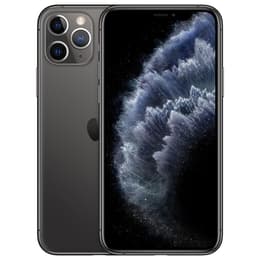
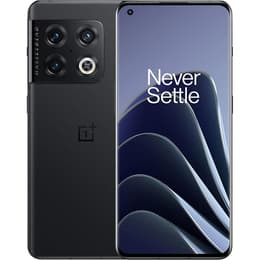
The iPhone 11 Pro, released in September 2019, and the OnePlus 10 Pro, launched globally in March 2022, represent different generations and operating system ecosystems within the smartphone market. While the iPhone 11 Pro runs on Apple's iOS, the OnePlus 10 Pro operates on Android, specifically OxygenOS. These devices offer distinct user experiences, primarily differing in their display technology, camera capabilities, and overall performance due to their respective release timelines.
Color
Storage
The practical lifespan of a smartphone is often influenced by software support, physical durability, and the availability of replacement parts. Both devices offer robust builds, but their release dates impact their expected software longevity.
Release Year
Last OS Compatibility
OS
Foldable
Performance is a key differentiator, with the newer OnePlus 10 Pro generally offering more advanced processing power and memory configurations compared to the iPhone 11 Pro.
Both devices feature high-quality OLED displays, but the OnePlus 10 Pro introduces advancements in refresh rate and overall size.
Resolution
Screen type
Both smartphones offer versatile camera systems, but the OnePlus 10 Pro benefits from newer sensor technology and a collaboration with Hasselblad.
Main camera
Front camera
Beyond core features, several practical elements contribute to the overall user experience, from connectivity to physical design.
Weight
Screen size (inches)
Network
SIM card
Carrier compatibility
Users often praise the iPhone 11 Pro for its consistent performance, reliable camera system, and the long-term software support and ecosystem integration that iOS provides. Its compact size is frequently highlighted as a positive for one-handed use. Some common criticisms, however, include its 60Hz display, the absence of 5G connectivity, and the proprietary Lightning port.
The OnePlus 10 Pro is frequently lauded for its vibrant, high refresh rate display, fast charging capabilities, and its versatile camera system with Hasselblad color science. Its powerful processor and larger battery are also often cited as strong points. Conversely, some users have noted concerns about software consistency compared to earlier OxygenOS versions and the durability of its frame in extreme bend tests.
Users prioritizing a compact device with a highly optimized software experience and a proven, reliable camera for everyday photography may find the iPhone 11 Pro well-suited to their needs. Those who value a larger, smoother display, cutting-edge performance for demanding tasks, faster charging, and 5G connectivity, along with a feature-rich Android camera system, might lean toward the OnePlus 10 Pro. Both devices offer distinct advantages, and choosing between them often comes down to individual preferences for operating system, screen size, and specific feature priorities. For those considering either device, exploring quality-assured refurbished options can be an eco-friendly alternative.