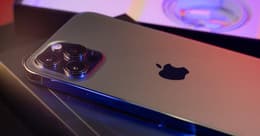
iPhone 12 mini • Unlocked vs iPhone SE (2020) • Unlocked

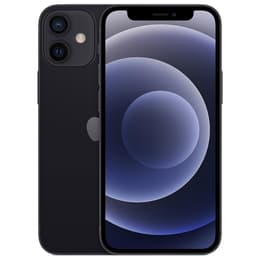
iPhone 12 mini • Unlocked
Starting at

Refurbished price:$158.00

Versus $459.00 new

See options
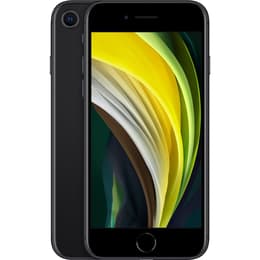
iPhone SE (2020) • Unlocked
Starting at

Refurbished price:$99.00

Versus $399.00 new

See options

Ratings

The iPhone 12 Mini (released in November 2020) and the iPhone SE 2020 (released in April 2020) are two compact smartphones from Apple, offering distinct experiences for users who prefer a smaller device. While both run on Apple's iOS operating system, the iPhone 12 Mini introduces a more modern design with an edge-to-edge display and advanced camera capabilities, whereas the iPhone SE 2020 retains a classic iPhone aesthetic with a physical home button.

Scores

Durability

When considering the longevity of these devices, several factors come into play, including their release timelines, software support, and physical durability.

  • Release Timeline and Age: The iPhone SE 2020 was released in April 2020, making it slightly older than the iPhone 12 Mini, which launched in November 2020. This difference in release date means the iPhone 12 Mini will likely receive software updates for a slightly longer period.
  • OS Support Duration: Both devices are expected to receive several years of iOS updates. Given its later release, the iPhone 12 Mini is anticipated to support the latest iOS versions for approximately one year longer than the iPhone SE 2020, extending its practical software lifespan.
  • Durability Features: The iPhone 12 Mini features a Ceramic Shield front cover, which Apple states offers four times better drop performance compared to previous iPhone models. It also boasts an IP68 rating for water resistance, allowing submersion up to 6 meters for 30 minutes. The iPhone SE 2020, built with aerospace-grade aluminum and durable glass, has an IP67 rating, protecting against submersion up to 1 meter for 30 minutes.

Release Year

2020

2020

Last OS Compatibility

Yes

Yes

OS

iOS

iOS

Foldable

No

No

Performance

The performance of a smartphone is crucial for daily tasks, from launching applications to handling demanding games and multitasking. Both devices offer capable performance, but with notable differences.

  • Processing Power: The iPhone 12 Mini is equipped with a newer generation processor, providing a noticeable boost in speed and efficiency for complex tasks and graphics-intensive applications. The iPhone SE 2020, while still very capable, uses the processor from the previous generation, which handles everyday apps and most games smoothly.
  • Multitasking and Responsiveness: The iPhone 12 Mini includes more RAM, which contributes to smoother multitasking and allows more applications to remain open in the background without needing to reload. Both phones offer a responsive user experience, but the iPhone 12 Mini provides a slight edge in maintaining fluidity during heavy usage.
  • Battery Behavior: The iPhone 12 Mini has a 2227 mAh battery, while the iPhone SE 2020 has an 1821 mAh battery. User experiences suggest that the iPhone 12 Mini's battery life is generally average, often requiring a charge before the end of a full day for heavy users. The iPhone SE 2020's battery life is also considered sufficient for moderate use, but heavy users may find themselves seeking a charger more frequently.

Memory

4 GB

3 GB

Screen quality

The display is a primary interface for any smartphone, and these two models offer different visual experiences due to their underlying technologies and designs.

  • Display Technology and Clarity: The iPhone 12 Mini features a 5.4-inch Super Retina XDR OLED display, which delivers deep blacks, vibrant colors, and excellent contrast. Its resolution of 2340 x 1080 pixels results in a sharp 476 pixels per inch (ppi). In contrast, the iPhone SE 2020 uses a 4.7-inch Retina HD IPS LCD display with a resolution of 1334 x 750 pixels, offering 326 ppi. While the LCD is bright and clear, the OLED panel on the 12 Mini provides a superior viewing experience, especially for media consumption.
  • Brightness and Outdoor Visibility: Both phones offer a typical maximum brightness of 625 nits. However, the iPhone 12 Mini can reach up to 1200 nits when displaying HDR content, enhancing the viewing of compatible videos and photos.
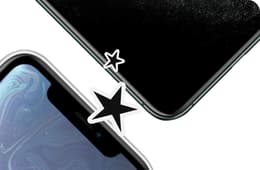
  • Screen Size and Design: The iPhone 12 Mini's 5.4-inch display utilizes an all-screen design, maximizing screen real estate within a compact body. The iPhone SE 2020's 4.7-inch display is framed by larger bezels at the top and bottom, which house the home button and front camera.

Resolution

1080 x 2340

750 x 1334

Screen type

Super Retina XDR OLED

Retina IPS LCD

Audiovisual

For many users, the camera system is a key differentiator, and both iPhones offer capable photography and videography, though with distinct features.

  • Rear Camera System: The iPhone 12 Mini features a dual-camera system on the rear, consisting of a 12MP wide-angle lens with a wider f/1.6 aperture and a 12MP ultra-wide-angle lens. This setup allows for more versatile shots, including expansive landscapes. The iPhone SE 2020 has a single 12MP wide-angle camera with an f/1.8 aperture.
  • Low-Light Performance and Features: A significant advantage of the iPhone 12 Mini is its Night Mode, available on both rear cameras and the front camera, which dramatically improves photo quality in low-light conditions. The wider aperture on the 12 Mini's main camera also contributes to better low-light capture. The iPhone SE 2020 does not include Night Mode.
  • Video Recording Quality: Both phones are capable of recording 4K video at up to 60 frames per second. However, the iPhone 12 Mini supports Dolby Vision HDR video recording up to 30fps, offering enhanced dynamic range and color in videos.
  • Front Camera: The iPhone 12 Mini has a 12MP front-facing camera, while the iPhone SE 2020 has a 7MP front camera. Both support Portrait mode, but the 12 Mini's higher resolution and Night Mode capability provide an edge for selfies and video calls in various lighting.

Main camera

12 megapixels

12 megapixels

Front camera

12 megapixels

7 megapixels

Miscellaneous

Beyond core performance and display, several practical elements contribute to the overall user experience and differentiate these two compact iPhones.

  • Connectivity: The iPhone 12 Mini supports 5G cellular communication, offering faster download and upload speeds in areas with 5G coverage. The iPhone SE 2020 is limited to 4G LTE connectivity. Both support modern Wi-Fi standards and Bluetooth.
  • Biometric Authentication: The iPhone 12 Mini utilizes Face ID for secure facial recognition and unlocking. The iPhone SE 2020 features Touch ID, a fingerprint sensor integrated into its physical home button.
  • Physical Design and Handling: The iPhone 12 Mini is notably smaller and lighter, measuring 131.5 x 64.2 x 7.4 mm and weighing 135 grams. This makes it particularly comfortable for one-handed use. The iPhone SE 2020 is slightly larger and heavier at 138.4 x 67.3 x 7.3 mm and 148 grams. The 12 Mini also features flat edges, a design element that some users find provides a more secure grip.
  • Additional Features: The iPhone 12 Mini includes MagSafe technology, allowing for magnetic attachment of accessories and wireless chargers. Neither device includes a traditional headphone jack.

Weight

7 oz

5 oz

Screen size (inches)

5.4

4.7

Network

5G

LTE

SIM card

Physical SIM + eSIM

Physical SIM + eSIM

Carrier compatibility

Unlocked

Unlocked

Connector

Lightning

Lightning

The iPhone 12 Mini and iPhone SE 2020 cater to users seeking compact Apple smartphones, but they offer different sets of priorities. Users frequently praise the iPhone 12 Mini for its modern OLED display, advanced camera system with Night Mode, and 5G connectivity, all packed into a very small and lightweight form factor. However, a common criticism is its battery life, which some heavy users find insufficient for a full day without recharging.

The iPhone SE 2020 is often lauded for its familiar design with Touch ID, its capable performance for its class, and its overall reliability. Users appreciate its solid build quality. Criticisms often point to its older LCD display technology, the presence of large bezels, and the absence of an ultra-wide camera or Night Mode.

Users prioritizing a cutting-edge display, enhanced camera features for diverse lighting conditions, 5G capabilities, and the smallest possible footprint will find the iPhone 12 Mini well-suited to their needs. Those who prefer the classic iPhone design with a physical home button, value Touch ID, and require solid performance for everyday tasks without needing the latest display or camera advancements may lean toward the iPhone SE 2020. Both models are available as quality-assured refurbished options, providing an eco-friendly alternative for consumers.

See all articles

Our recent comparisons