
Compare models
Galaxy Z Flip4 • Unlocked vs iPhone Air • Unlocked
- 1-year warranty
- Free standard shipping
- Free 30-day returns
Differences at a glance
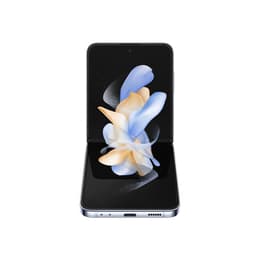
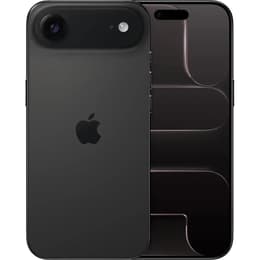
The Samsung Galaxy Z Flip4 (2022) and the Apple iPhone Air (2025) represent entirely different approaches to modern smartphone design, contrasting a foldable clamshell form factor with an ultra-slim slate construction. While they serve different preferences in engineering and operating systems, both devices deliver high-level mobile computing tailored to distinct daily habits. Choosing between them comes down to whether you prioritize a pocket-friendly folding build or a featherlight profile running iOS.
Available Models
Color
Storage (GB)
Scores
Durability
When evaluating structural lifespans and update schedules, these two devices reflect different generations of release timing and software support windows.
- Software Support Timelines: The iPhone Air benefits from a recent 2025 launch window, ensuring extended operating system updates and security patches for years to come. The Galaxy Z Flip4, having debuted earlier, operates further along its official software support lifecycle.
- Hardware Durability: The iPhone Air utilizes a rigid titanium frame paired with reinforced glass layers designed to resist everyday wear. The Galaxy Z Flip4 employs a folding mechanism that requires careful handling over years of repeated opening and closing.
- Expected Practical Lifespan: Users seeking maximum longevity from current software updates will find the newer Apple model well-positioned, whereas the Galaxy Z Flip4 suits those comfortable with a maturing device generation.
Release Year
2022
2025
Last OS Compatibility
Yes
Yes
OS
Android
iOS
Foldable
Yes
No
Performance
Daily speed and efficiency vary significantly due to hardware variations, storage tiers, and internal thermal layouts.
- Multitasking and Responsiveness: Both devices handle demanding applications, heavy browsing, and background tasks smoothly, though the iPhone Air utilizes current-generation internal architecture that speeds up complex computational loads.
- Battery Behavior: The Galaxy Z Flip4 relies on a split-cell battery configuration designed for a compact footprint, whereas the iPhone Air houses an ultra-thin power cell engineered for its slim chassis. Heavy users on both models may find themselves recharging during busy days depending on screen-on time.
- Storage Configurations: Both smartphones offer generous baseline storage choices to accommodate large media libraries, applications, and offline files without requiring expandable memory cards.
Screen quality
Display technology defines the visual experience, offering sharp details and high refresh rates across distinct physical layouts.
- Display Technology: The Galaxy Z Flip4 features a foldable OLED panel that bends in half, while the iPhone Air presents a rigid, expansive OLED screen housed within an exceptionally thin body.
- Brightness and Clarity: Both devices deliver vibrant colors, deep contrast levels, and high peak outdoor brightness to ensure legibility under direct sunlight.
- Smoothness and Refresh Rates: Both screens support fluid adaptive refresh rates up to 120Hz, ensuring seamless scrolling through web pages, documents, and media feeds.
Resolution
1080 x 2640
2736x1260
Screen type
Foldable Dynamic AMOLED 2X
Super Retina XDR
Audiovisual
Media capture and audio output capabilities diverge sharply based on the physical constraints of each phone's unique chassis.
- Camera Systems: The Galaxy Z Flip4 equips a dual rear camera setup for versatile wide and ultra-wide framing, whereas the iPhone Air streamlines photography into a single high-resolution rear lens integrated into an elevated backing plate.
- Everyday and Low-Light Shots: Both models capture sharp daylight photos and reliable low-light images using advanced image processing software to balance highlights and shadows.
- Audio and Video: The iPhone Air records detailed high-definition video alongside a focused speaker setup, while the Galaxy Z Flip4 offers flexible media playback and unique hands-free recording angles via its folding hinge.
Main camera
12 megapixels
48 megapixels
Front camera
10 megapixels
18 megapixels
Miscellaneous
Physical handling, connectivity standards, and daily ergonomics highlight practical differences in how each device feels in the hand.
- Dimensions and Weight: The Galaxy Z Flip4 folds down into a square footprint that slips easily into small pockets, while the iPhone Air emphasizes a featherlight, ultra-slim profile that distributes weight evenly across a larger surface area.
- Biometrics and Security: Samsung incorporates a side-mounted fingerprint reader alongside facial recognition, whereas Apple utilizes advanced facial mapping technology for secure authentication.
- Connectivity: Both phones support rapid 5G cellular networks, modern Wi-Fi standards, and Bluetooth pairing for seamless accessory connection. Choosing a quality-assured refurbished option provides a sustainable way to access these advanced features while reducing environmental impact.
Weight
7 oz
185 oz
Screen size (inches)
6.7
6.5
Network
5G
5G
SIM card
Physical SIM + eSIM
eSIM
Carrier compatibility
Unlocked
Unlocked
What the community thinks
User feedback from online communities highlights distinct reactions to both form factors. Owners of the Galaxy Z Flip4 frequently praise its remarkable pocketability, clever folding angles for hands-free viewing, and compact closed footprint, though some note that the crease on the main screen and battery endurance require regular management. Conversely, users of the iPhone Air point out widespread satisfaction with its record-thin titanium build, light weight, and fluid operating system response, while mentioning that a single rear camera and streamlined speaker setup represent compromises for its slim profile.
Users prioritizing maximum physical compactness and a folding screen will find the Galaxy Z Flip4 well-suited to their daily routine, while users prioritizing an ultra-slim slate design, extended software support, and ecosystem continuity will lean toward the iPhone Air. Selecting a quality-assured refurbished option from Back Market allows buyers to make an eco-friendly choice aligned with their personal tech preferences. Ultimately, the right decision depends entirely on whether a folding clamshell or a lightweight slim profile best fits your everyday lifestyle.