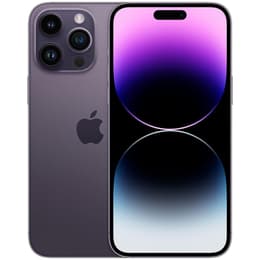

iPhone 12 Pro • Unlocked vs iPhone 14 Pro Max • Unlocked

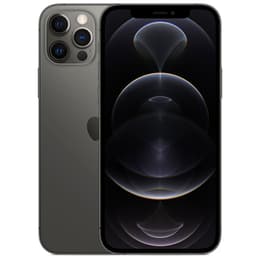
iPhone 12 Pro • Unlocked
Starting at

Refurbished price:$261.00

Versus $799.00 new

See options
iPhone 14 Pro Max • Unlocked
Starting at

Refurbished price:$414.99

Versus $1,099.00 new

See options

Ratings

The iPhone 12 Pro, released in October 2020, and the iPhone 14 Pro Max, launched in September 2022, represent two distinct generations of Apple's premium smartphone offerings. While both devices operate on the iOS platform, the iPhone 14 Pro Max introduces a larger display, a more advanced camera system, and enhanced performance capabilities compared to its predecessor. This comparison aims to highlight the practical differences between these models to assist users in making an informed purchasing decision.

Scores

Durability

When considering the longevity of these devices, several factors come into play, primarily their release timelines and expected software support.

  • Release Timeline: The iPhone 12 Pro was released in October 2020, while the iPhone 14 Pro Max followed almost two years later in September 2022. This difference in launch date directly impacts their remaining software support window.
  • OS Support Duration: Apple typically provides major iOS updates for 5-6 years from a device's release. The iPhone 12 Pro, having launched with iOS 14, is expected to receive updates for a few more years, potentially until iOS 19 or 20. The iPhone 14 Pro Max, launching with iOS 16, will benefit from an extended period of software support, likely until iOS 21 or 22, offering a longer practical lifespan for receiving new features and security updates.
  • Physical Durability: Both models feature a Ceramic Shield front cover and a stainless steel frame, contributing to their robust build. They also share an IP68 rating for water and dust resistance, allowing submersion up to 6 meters for 30 minutes.

Release Year

2020

2022

Last OS Compatibility

Yes

Yes

OS

iOS

iOS

Foldable

No

No

Performance

The performance of a smartphone is crucial for daily operations, from launching applications to handling demanding tasks. These two models offer different levels of processing power and battery endurance.

  • Processing Power: The iPhone 12 Pro is equipped with a capable processor that handles everyday applications and multitasking smoothly. The iPhone 14 Pro Max features a newer generation processor, which provides more significant performance headroom for intensive applications, advanced gaming, and complex computational tasks, resulting in faster app loading and a more responsive overall experience.
  • Battery Behavior: The iPhone 14 Pro Max generally offers a longer battery life due to its larger physical size allowing for a higher capacity battery and more power-efficient components. Users of the iPhone 12 Pro might find themselves needing to charge more frequently, especially with heavy usage or when utilizing 5G connectivity. The iPhone 14 Pro Max has been noted to last over 12 hours in web browsing tests, significantly longer than the iPhone 12 Pro's approximately 9-12 hours under similar conditions.
  • Storage Options: Both devices offer a range of internal storage capacities, typically starting from 128 GB and extending to 512 GB for the iPhone 12 Pro, and up to 1 TB for the iPhone 14 Pro Max, accommodating various user needs for apps, photos, and videos.

Memory (GB)

6 GB

6 GB

Screen quality

The display is a primary interface for smartphone interaction, and both models offer high-quality viewing experiences with notable distinctions.

  • Display Technology and Size: Both phones feature Super Retina XDR OLED displays, known for deep blacks and vibrant colors. The iPhone 12 Pro has a 6.1-inch display, while the iPhone 14 Pro Max boasts a larger 6.7-inch display, providing a more expansive viewing area.
  • Refresh Rate and Smoothness: A key difference lies in the refresh rate. The iPhone 12 Pro has a standard 60Hz refresh rate. The iPhone 14 Pro Max incorporates ProMotion technology, offering an adaptive refresh rate that can go up to 120Hz for smoother scrolling and more fluid animations, and down to 1Hz for improved power efficiency with its Always-On display feature.
  • Brightness and Clarity: Both displays offer excellent clarity with similar pixel densities. The iPhone 14 Pro Max achieves higher peak brightness levels, especially outdoors (up to 2000 nits), making it more visible in direct sunlight compared to the iPhone 12 Pro's peak of 1200 nits. The iPhone 14 Pro Max also introduces the Dynamic Island, a new interactive area that replaces the traditional notch.

Resolution

1170 x 2532

1290 x 2796

Screen type

Super Retina XDR OLED

LTPO Super Retina XDR OLED

Audiovisual

Camera capabilities are a significant consideration for many users, and these two Pro models offer advanced photographic and videographic tools.

  • Main Camera System: The iPhone 12 Pro features a triple 12-megapixel camera system (wide, ultrawide, telephoto). The iPhone 14 Pro Max upgrades the main wide-angle camera to a 48-megapixel sensor, which uses pixel-binning to produce detailed 12-megapixel photos, or full 48-megapixel ProRAW images for greater editing flexibility.
  • Low-Light Performance and Features: Both devices excel in low-light conditions, but the iPhone 14 Pro Max, with its larger main sensor and improved image processing (Photonic Engine), generally captures brighter images with less noise and better detail in challenging lighting. The iPhone 12 Pro introduced Night mode to all cameras and a LiDAR scanner for faster autofocus in low light and Night mode portraits.
  • Video Recording Quality: Both phones are capable of recording high-quality video, including 4K at 60 frames per second. The iPhone 14 Pro Max offers further enhancements in video stabilization, including an Action Mode for smoother footage, and improved Cinematic mode with 4K recording. Both support Dolby Vision HDR video recording.

Main camera

12 megapixels

48 megapixels

Front camera

12 megapixels

12 megapixels

Miscellaneous

Beyond core features, several practical elements differentiate these two iPhone models, impacting daily usability and interaction.

  • Connectivity: Both devices support 5G connectivity, offering faster cellular data speeds where available. They also feature modern Wi-Fi standards and Bluetooth for wireless connections.
  • Port Types: Both the iPhone 12 Pro and iPhone 14 Pro Max utilize the Lightning port for charging and data transfer. Neither model includes a traditional 3.5mm headphone jack.
  • Biometric Security and Sensors: Both phones rely on Face ID for secure facial recognition. The iPhone 12 Pro introduced a LiDAR scanner, which is also present in the iPhone 14 Pro Max, enhancing augmented reality experiences and aiding camera autofocus.
  • Physical Dimensions and Weight: The iPhone 12 Pro is a more compact device, measuring 146.7 x 71.5 x 7.4 mm and weighing 189 grams. The iPhone 14 Pro Max is larger and heavier, at 160.7 x 77.6 x 7.85 mm and 240 grams, which can impact one-handed use and pocketability.

Weight

7 oz

8 oz

Screen size (inches)

6.1

6.7

Network

5G

5G

SIM card

Physical SIM + eSIM

eSIM

Carrier compatibility

Unlocked

Unlocked

Connector

Lightning

Lightning

The iPhone 12 Pro and iPhone 14 Pro Max cater to users with varying priorities, reflecting advancements over two generations of technology. Users often praise the iPhone 12 Pro for its balanced size, capable camera system, and robust performance that remains relevant for everyday tasks. Some common criticisms for the 12 Pro include its battery life, which some heavy users find requires more frequent charging, especially when using 5G, and its 60Hz display refresh rate, which is now less fluid compared to newer models.

The iPhone 14 Pro Max is frequently lauded for its exceptional battery life, significantly larger and more advanced display with ProMotion and the Dynamic Island, and its highly capable camera system, particularly the 48-megapixel main sensor. User feedback sometimes points to its larger size and weight as a potential drawback for those preferring a more compact device.

Users prioritizing a more compact form factor and a still-powerful device for general use, photography, and moderate gaming may find the iPhone 12 Pro to be a suitable option. Its performance remains strong for most applications, and its camera system delivers excellent results. For those who value the longest possible battery life, a larger and more fluid display, and the most advanced camera technology for demanding photography and videography, the iPhone 14 Pro Max aligns more closely with those needs. It offers a more immersive viewing experience and greater creative flexibility with its upgraded camera hardware.

Both models offer a premium smartphone experience within the Apple ecosystem. For those considering a sustainable choice, quality-assured refurbished options for both the iPhone 12 Pro and iPhone 14 Pro Max are available, providing an eco-friendly alternative to purchasing new devices.

See all articles

Our recent comparisons