Compare models
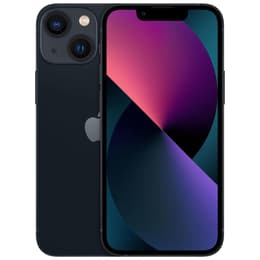
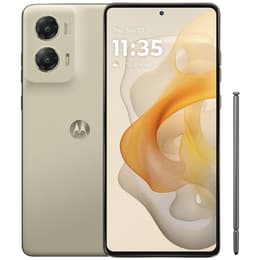
iPhone 13 mini • Unlocked vs Motorola Moto G Stylus 5G (2024) • Unlocked
- 1-year warranty
- Free standard shipping
- Free 30-day returns
Differences at a glance
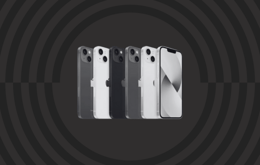
The Apple iPhone 13 mini (2021) and the Motorola Moto G Stylus 5G (2024) represent two distinct approaches to modern smartphone design, catering to completely different user preferences. While the iPhone 13 mini prioritizes a pocket-friendly, ultra-compact form factor with high-end execution, the Motorola Moto G Stylus 5G focuses on a spacious viewing area, integrated productivity tools, and a built-in physical pen. Operating on iOS and Android respectively, these devices offer contrasting physical footprints and functional capabilities tailored to distinct daily habits.
Available Models
Color
Storage
Scores
Durability
When examining longevity and hardware endurance, both devices offer different advantages regarding software support cycles, build materials, and long-term utility. Users exploring a quality-assured refurbished option will find that choosing older flagship architectures can be a sustainable path to reliable daily hardware.
- Software longevity: The iPhone 13 mini benefits from Apple's extended software update timeline, typically receiving operating system updates for many years after release. The Motorola Moto G Stylus 5G operates on a shorter targeted upgrade path tied to standard mid-range Android support schedules.
- Build resilience: The iPhone 13 mini utilizes sturdy aluminum and specialized front glass protection alongside a high water-resistance rating. The Motorola device features a larger polycarbonate and vegan-leather-styled construction with water-repellent sealing for everyday protection against minor spills.
- Repairability and lifespan: Both models feature standard internal modularity, though widespread access to replacement parts ensures that both units maintain functional viability over extended years of active ownership.
Release Year
2021
2024
Last OS Compatibility
Yes
Yes
OS
iOS
Android
Foldable
No
No
Performance
Daily responsiveness and multitasking capabilities vary significantly based on internal hardware design, memory allocations, and software optimization. Both devices handle routine tasks like web browsing, messaging, and media streaming smoothly, but they approach heavier workloads differently.
- Everyday multitasking: The iPhone 13 mini relies on tight hardware and software integration to manage background tasks smoothly despite lower memory configurations. The Motorola model provides a larger pool of working memory, allowing multiple open applications to remain active simultaneously without frequent reloading.
- Storage and expansion: The iPhone model relies strictly on its fixed internal storage tiers without expansion slots. In contrast, the Motorola device offers expandable storage support via a microSD card slot for users who manage extensive media libraries locally.
- Battery behavior: The compact physical frame of the iPhone 13 mini limits battery capacity, requiring more frequent charging during heavy utilization days. The Motorola device houses a larger capacity power cell designed to easily sustain extended web browsing and media playback sessions through a full day of mixed use.
Screen quality
The viewing experience represents one of the most prominent differences between these two smartphones, defined primarily by physical scale, panel technology, and motion fluidity.
- Display technology and clarity: The iPhone 13 mini features a sharp Super Retina OLED screen delivering deep contrast levels and rich color reproduction within a small 5.4-inch canvas. The Motorola device utilizes a larger 6.7-inch pOLED panel providing an expansive visual workspace for reading documents and watching videos.
- Motion smoothness: The iPhone maintains a standard refresh rate for interface animations. The Motorola device introduces a faster 120Hz refresh rate, resulting in smoother scrolling through web feeds and fluid visual transitions across menus.
- Outdoor visibility: Both displays offer high peak brightness outputs that remain clearly legible under direct sunlight, though the larger screen real estate on the Motorola model provides a more comfortable layout for split-screen multitasking.
Resolution
1080 x 2340
1080 x 2400
Screen type
Super Retina XDR OLED
P-OLED
Audiovisual
Photography and media creation tools on these devices cater to distinct user needs, spanning everyday point-and-shoot simplicity, stabilization, and specialized input methods.
- Imaging systems: The iPhone 13 mini equips a dual-rear camera setup focused on natural color rendering, reliable low-light processing, and advanced computational video modes like cinematic focus shifts. The Motorola model features a high-resolution main sensor with optical image stabilization alongside an ultra-wide lens that doubles as a macro camera for close-up photography.
- Video and audio recording: The iPhone records stable, high-definition video with clean stereo audio capture suited for content creators. The Motorola device delivers competent everyday video recording paired with stereo speakers enhanced by spatial tuning for media playback.
- Productivity input: The Motorola model integrates a physical stylus directly into its chassis, enabling precise hand-written notes, screenshot annotations, and fine-tuned photo editing that traditional touch-only displays cannot easily replicate.
Main camera
12 megapixels
50 megapixels
Front camera
12 megapixels
32 megapixels
Miscellaneous
Practical physical characteristics, connectivity standards, and daily ergonomics dictate how comfortably each device fits into travel, professional, or academic routines.
- Handling and dimensions: The iPhone 13 mini measures exceptionally compact and lightweight, making it effortless to operate entirely with one hand or slip into small pockets. The Motorola model features a taller, wider build that accommodates its expansive screen and internal stylus silo.
- Connectivity and ports: The iPhone relies on Apple's proprietary charging port alongside modern 5G and Wi-Fi capabilities. The Motorola device incorporates a universal USB-C port, a traditional 3.5mm headphone jack for wired audio accessories, and fast wired charging support.
- Authentication: The iPhone uses facial recognition security sensors built into the top screen notch, while the Motorola model utilizes an optical fingerprint reader embedded directly beneath the display panel.
Weight
6 oz
7 oz
Screen size (inches)
5.4
6.7
Network
5G
5G
SIM card
Physical SIM + eSIM
Physical SIM
Carrier compatibility
Unlocked
Unlocked
Connector
Lightning
USB-C
What the community thinks
Choosing between the iPhone 13 mini and the Motorola Moto G Stylus 5G depends entirely on personal workflow priorities, physical size preferences, and intended daily use cases. Users prioritizing a pocket-friendly footprint, long-term software update support, and single-handed ergonomics will find the iPhone 13 mini well-suited to their needs. Conversely, users who value an expansive viewing area, built-in note-taking tools, and extended battery endurance will lean toward the Motorola device.
As consumers weigh their options, choosing a quality-assured refurbished alternative through platforms like Back Market provides an eco-friendly path to acquiring reliable technology while minimizing electronic waste. Reviewing these distinct operational strengths ensures an informed decision tailored precisely to everyday habits.