
Compare models

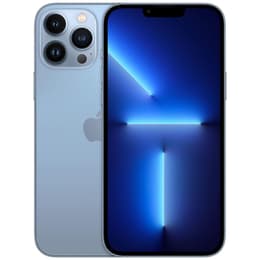
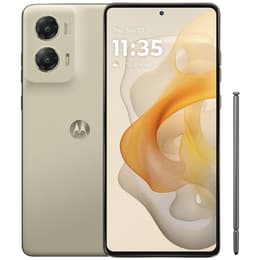
iPhone 13 Pro Max • Unlocked vs Motorola Moto G Stylus 5G (2024) • Unlocked

  • 1-year warranty
  • Free standard shipping
  • Free 30-day returns
iPhone 13 Pro Max • Unlocked
Starting at

Refurbished price:$438.00

Versus $999.00 new

See options
Motorola Moto G Stylus 5G (2024) • Unlocked
Starting at

Refurbished price:$155.00

Versus $299.99 new

See options

Differences at a glance

The iPhone 13 Pro Max (2021) and the Motorola Moto G Stylus 5G (2024) are large-screen smartphones designed for distinct user ecosystems and software environments. While both devices offer expansive displays and modern connectivity, they differ fundamentally in their operating systems, productivity additions, and target functionality. The iPhone runs on Apple's closed iOS platform, emphasizing high-end media creation, whereas the Motorola device operates on Android and integrates a physical stylus for handwriting and navigation.

Available Models

Color

Storage

Scores

Durability

Both smartphones provide solid build quality, though they stem from different release years and follow distinct update pathways that influence their long-term viability.

  • Software Support: The iPhone 13 Pro Max benefits from Apple's extended update lifecycle, while the Motorola Moto G Stylus 5G (2024) receives shorter major operating system updates aligned with its mid-range Android tier.
  • Repairability and Build: The iPhone features a stainless steel frame and ceramic-shield glass, whereas Motorola utilizes durable composite materials alongside water-repellent designs and easy-to-use expandable storage slots.
  • Expected Lifespan: Users seeking multi-year performance consistency will find both devices hold up well under standard daily conditions, with the iPhone generally retaining software relevancy further into the future.

Release Year

2021

2024

Last OS Compatibility

Yes

Yes

OS

iOS

Android

Foldable

No

No

Performance

System responsiveness and day-to-day multitasking capabilities vary based on internal hardware optimization and memory allocation.

  • Multitasking and Apps: Both devices handle everyday applications, web browsing, and media streaming smoothly, though heavier gaming and intense background tasks execute with refined efficiency on the iPhone's advanced processing architecture.
  • Battery Behavior: The Motorola model features a large 5000 mAh battery that easily sustains long sessions of continuous use, while the iPhone balances its battery consumption efficiently through adaptive refresh rates.
  • Storage Flexibility: The Motorola option includes expandable storage via a microSD card slot for media collectors, whereas the iPhone relies entirely on fixed internal storage tiers.

Screen quality

Visual immersion is a priority for both models, each implementing large panels suited for media consumption and reading.

  • Display Technology: Both phones utilize vibrant OLED technology that delivers deep black levels, rich contrast, and high clarity for everyday viewing.
  • Refresh Rate and Smoothness: Each device features a 120Hz refresh rate, ensuring fluid scrolling through menus, web pages, and supported applications.
  • Outdoor Visibility: High peak brightness capabilities on both screens allow for clear legibility under bright sunlight and outdoor environments.

Resolution

1284 x 2778

1080 x 2400

Screen type

Super Retina XDR OLED

P-OLED

Audiovisual

Photography and audio output configurations cater to different styles of media capture and consumption.

  • Camera Systems: The iPhone employs a versatile triple-lens rear arrangement including telephoto and ultra-wide options alongside advanced computational photography, while Motorola focuses on a dual-camera setup featuring optical image stabilization on the main sensor.
  • Video and Audio: The iPhone excels in detailed video recording formats and cinematic stabilization, whereas Motorola incorporates stereo speakers tuned with Dolby Atmos alongside a traditional headphone jack.

Main camera

12 megapixels

50 megapixels

Front camera

12 megapixels

32 megapixels

Miscellaneous

Physical handling and peripheral options define the day-to-day ergonomic experience of each device.

  • Stylus Integration: The Motorola device features an integrated physical stylus housed directly within the chassis for quick note-taking and precise screen navigation.
  • Physical Dimensions: The iPhone 13 Pro Max is heavier due to its stainless steel and glass build, whereas the Motorola model offers a lighter weight distribution in the hand.
  • Connectivity: Both models support rapid 5G network speeds, modern Bluetooth standards, and reliable Wi-Fi connectivity for seamless internet access.

Weight

185 oz

7 oz

Screen size (inches)

6.7

6.7

Network

5G

5G

SIM card

Physical SIM + eSIM

Physical SIM

Carrier compatibility

Unlocked

Unlocked

Connector

Lightning

USB-C

What the community thinks

User feedback highlights distinct preferences for each device across community forums. Owners of the iPhone 13 Pro Max frequently praise its robust build quality, high-end video recording capabilities, and reliable long-term performance. Conversely, users of the Motorola Moto G Stylus 5G (2024) frequently commend the convenience of the built-in stylus, expansive storage expandability, and dependable battery life. Criticisms for the iPhone often center on its heavier physical weight and proprietary charging port, while Motorola users occasionally note that major software update schedules are more limited.

Users prioritizing advanced video production, ecosystem integration, and premium construction materials will find the iPhone 13 Pro Max well-suited to their needs, especially when exploring a quality-assured refurbished option as a sustainable choice. Meanwhile, users prioritizing productivity tools like a physical stylus, expandable storage, and a traditional headphone jack may lean toward the Motorola Moto G Stylus 5G (2024). Evaluating these core differences ensures a selection that aligns closely with individual daily requirements.
Our recent comparisons