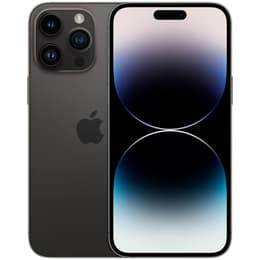
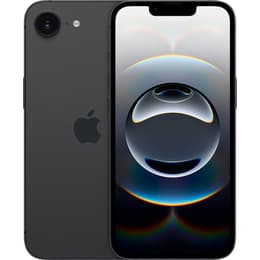

iPhone 14 Pro Max • Locked AT&T vs iPhone 16e • Unlocked

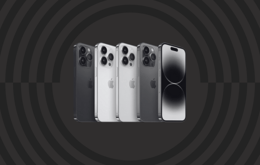
iPhone 14 Pro Max • Locked AT&T
Starting at

Refurbished price:$409.00

Versus $1,399.00 new

See options
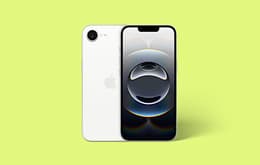
iPhone 16e • Unlocked
Starting at

Refurbished price:$361.00

Versus $599.00 new

See options

Ratings

The iPhone 14 Pro Max, released in late 2022, represents Apple's high-end offering from its fourteenth generation of smartphones. In contrast, the iPhone 16E, launched in early 2025, serves as a more recent, essential model within the sixteenth iPhone series. While the 14 Pro Max emphasizes advanced camera capabilities and a larger, more immersive display, the 16E focuses on delivering a modern user experience with a newer processor and updated connectivity in a more compact form factor.

Scores

Durability

When considering the practical lifespan of these devices, several factors come into play, including their release timelines and expected software support.

  • Release Timeline: The iPhone 14 Pro Max was released in September 2022, making it an older model compared to the iPhone 16E, which launched in February 2025. This difference in release dates directly impacts their remaining software support.
  • Software Longevity: Typically, Apple provides iOS updates for approximately five to six years from a device's release. The iPhone 16E, being a newer device, is expected to receive software updates for a longer period than the iPhone 14 Pro Max, offering extended access to new features and security enhancements. Both devices launched with robust operating systems, with the 14 Pro Max starting on iOS 16 and the 16E on iOS 18.3.
  • Durability Features: Both models feature Ceramic Shield front covers and an IP68 rating for dust and water resistance, indicating a similar level of protection against environmental elements. This means both are designed to withstand submersion in water up to 6 meters for 30 minutes.

Release Year

2022

2025

OS

iOS

iOS

Foldable

No

No

Performance

Performance is a key area where generational advancements often become apparent, influencing how smoothly applications run and how efficiently tasks are handled.

  • Processing Power: The iPhone 14 Pro Max is equipped with a powerful processor that handles demanding applications and multitasking with ease, providing a responsive experience for gaming and content creation. The iPhone 16E, featuring a newer generation processor, offers enhanced efficiency and speed, particularly beneficial for the latest applications and advanced AI features.
  • Multitasking Capability: The iPhone 14 Pro Max includes 6GB of RAM, which supports smooth transitions between multiple open applications. The iPhone 16E comes with 8GB of RAM, providing additional capacity for more intensive multitasking and future software demands.
  • System Responsiveness: Users of the iPhone 14 Pro Max generally report a fluid and quick user interface. The iPhone 16E, with its newer internal components, is designed to offer an even more immediate and efficient response across the operating system and applications, including those leveraging Apple Intelligence.

Memory (GB)

6 GB

8 GB

Screen quality

The display is a primary interface for user interaction, and both iPhones offer distinct visual experiences.

  • Display Technology and Size: The iPhone 14 Pro Max features a larger 6.7-inch Super Retina XDR OLED display, known for its deep blacks and vibrant colors. The iPhone 16E has a 6.1-inch Full HD+ LTPS OLED screen, also delivering good color reproduction and contrast, but in a more compact form.
  • Refresh Rate and Smoothness: The 14 Pro Max boasts a 120 Hz refresh rate, which contributes to smoother scrolling and more fluid animations, particularly noticeable in fast-paced content and gaming. The iPhone 16E features a standard 60 Hz refresh rate, which is suitable for everyday use but does not offer the same level of visual fluidity.
  • Brightness and Clarity: Both displays offer excellent brightness levels, with the 14 Pro Max reaching up to 2000 nits peak HDR brightness and the 16E up to 1200 nits peak HDR brightness, ensuring good visibility even in bright outdoor conditions. The 14 Pro Max also features the Dynamic Island, an interactive area that replaces the traditional notch, while the 16E retains a notch design.

Resolution

1290 x 2796

2532x1170

Screen type

LTPO Super Retina XDR OLED

Super Retina XDR

Audiovisual

For many users, the camera system is a crucial component, and these two models offer different photographic capabilities.

  • Rear Camera System: The iPhone 14 Pro Max features a versatile triple-camera system, including a 48 MP main sensor, a 12 MP ultra-wide lens, and a 12 MP telephoto lens with 3x optical zoom, providing flexibility for various shooting scenarios. The iPhone 16E comes with a single 48 MP wide rear camera, designed for high-quality everyday photography.
  • Photography Features: The 14 Pro Max includes advanced features like Action mode for stabilized video, Cinematic mode for depth-of-field effects, and improved low-light performance across its multiple lenses. The 16E's single camera also delivers strong performance in various lighting conditions, with its 48 MP sensor capturing detailed images.
  • Front Camera and Video: Both devices are equipped with a 12 MP front camera, with the 14 Pro Max's featuring autofocus for clearer selfies. Both are capable of high-quality video recording, with the 14 Pro Max offering more advanced video features due to its Pro designation.

Main camera

48 megapixels

48MP

Front camera

12 megapixels

TrueDepth 12MP

Miscellaneous

Beyond core performance and display, several practical elements contribute to the overall user experience.

  • Connectivity and Ports: The iPhone 14 Pro Max utilizes the Lightning port for charging and data transfer, supporting USB 2.0 speeds. The iPhone 16E transitions to a USB-C port, also with USB 2.0 speeds, offering broader compatibility with modern accessories. Both support 5G cellular connectivity and Wi-Fi standards.
  • Biometric Security and Features: Both models rely on Face ID for secure authentication. The iPhone 16E introduces the Action Button, a customizable physical button that can be assigned to various functions, a feature not present on the 14 Pro Max. Both also include Emergency SOS via satellite and Crash Detection.
  • Physical Characteristics: The iPhone 14 Pro Max is a larger and heavier device, designed for users who prefer a more expansive screen. The iPhone 16E offers a more compact and lighter build, making it easier for one-handed use and portability.

Weight

8 oz

167 oz

Screen size (inches)

6.7

6.1

Network

5G

5G

SIM card

eSIM

eSIM

Carrier compatibility

AT&T

Unlocked

Connector

Lightning

USB-C

The iPhone 14 Pro Max and iPhone 16E cater to different user preferences, reflecting their respective positions within Apple's smartphone lineup and their release timelines. Users frequently praise the iPhone 14 Pro Max for its exceptional camera system, particularly its versatility with multiple lenses and advanced video capabilities. Its large, high-refresh-rate display and long battery life are also commonly highlighted as significant advantages for media consumption and power users. Some users, however, noted its size and weight as potential drawbacks.

The iPhone 16E, on the other hand, is often commended for bringing a newer processor and modern features like the Action Button and USB-C connectivity to a more accessible form factor. Its improved performance and extended software support due to its later release are also positive points for users seeking a more current device. Criticisms sometimes point to its 60 Hz display, which doesn't offer the same smoothness as higher refresh rate panels.

Ultimately, users prioritizing a comprehensive, multi-lens camera system, a larger display with a high refresh rate, and the Dynamic Island experience may find the iPhone 14 Pro Max well-suited to their needs. Conversely, those who value a more recent device with a newer processor, updated connectivity, a more compact design, and longer anticipated software support might lean towards the iPhone 16E. Both devices offer a quality experience, and choosing a quality-assured refurbished option for either model can be an eco-friendly alternative to purchasing new.


See all articles

Our recent comparisons