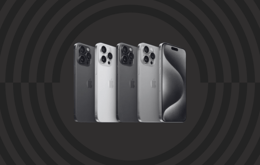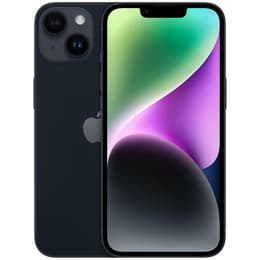
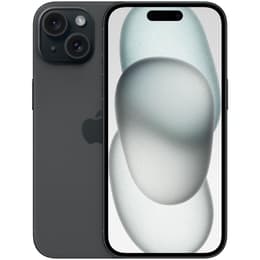

iPhone 14 • Locked T-Mobile vs iPhone 15 • Locked AT&T

iPhone 14 • Locked T-Mobile
Starting at

Refurbished price:$269.00

Versus $599.00 new

See options
iPhone 15 • Locked AT&T
Starting at

Refurbished price:$347.00

Versus $729.00 new

See options

Ratings

The iPhone 14, released in September 2022, and the iPhone 15, launched in September 2023, represent consecutive generations within Apple's standard smartphone lineup. While both devices offer a familiar iOS experience, the iPhone 15 introduces several key updates, including a more advanced processor, a higher-resolution main camera, and a transition to a universal charging port. Both models operate on Apple's iOS platform, ensuring a consistent software ecosystem.

Scores

Durability

When considering the practical lifespan of these devices, both the iPhone 14 and iPhone 15 are built with robust materials and receive consistent software support from Apple.

  • Release Timeline and OS Support: The iPhone 14 was released in September 2022, while the iPhone 15 followed in September 2023. This one-year difference means the iPhone 15 is expected to receive software updates for approximately one year longer than its predecessor, extending its functional longevity. Both devices launched with iOS 16 and iOS 17 respectively, and are compatible with iOS 18.
  • Physical Durability: Both models feature a Ceramic Shield front cover and an aluminum design, offering similar levels of resistance to drops and scratches. They also share an IP68 rating for splash, water, and dust resistance, allowing submersion up to 6 meters for 30 minutes.
  • Repairability: Initially, the iPhone 14 received a higher repairability score due to its internal redesign making back glass replacement easier. However, this score was later retroactively lowered to 4 out of 10 by iFixit due to software-based part pairing requirements that complicate independent repairs. The iPhone 15 also received a repairability score of 4 out of 10, indicating similar challenges for unauthorized repairs.

Release Year

2022

2023

Last OS Compatibility

Yes

Yes

OS

iOS

iOS

Foldable

No

No

Performance

The performance of a smartphone is crucial for daily tasks, from launching applications to engaging in demanding mobile games. Both the iPhone 14 and iPhone 15 deliver smooth and responsive experiences, though with generational differences in their internal components.

  • Processing Power: The iPhone 14 is equipped with a powerful processor that handles everyday applications and multitasking efficiently, providing a fluid user experience. The iPhone 15 features a newer generation processor, offering enhanced capabilities for more intensive tasks, faster app loading, and improved graphical performance in games.
  • Multitasking and Storage: Both devices come with 6GB of RAM, which supports smooth multitasking across various applications. They are available with storage options of 128GB, 256GB, and 512GB, providing ample space for apps, photos, and videos.
  • Battery Behavior: Users generally report that both the iPhone 14 and iPhone 15 offer sufficient battery life for a full day of typical use. The iPhone 15, with its more efficient processor, may offer slightly better endurance under similar usage patterns.

Memory (GB)

6 GB

6 GB

Screen quality

The display is a primary interface for smartphone interaction, and both iPhone models offer high-quality viewing experiences with distinct characteristics.

  • Display Technology and Clarity: Both the iPhone 14 and iPhone 15 feature a 6.1-inch Super Retina XDR OLED display, delivering deep blacks, vibrant colors, and sharp text. The resolution is similar, providing a clear and detailed visual experience.
  • Brightness and Outdoor Visibility: The iPhone 14 offers a typical maximum brightness of 800 nits and a peak HDR brightness of 1200 nits. The iPhone 15 significantly improves upon this, with a typical maximum brightness of 1000 nits, a peak HDR brightness of 1600 nits, and an impressive peak outdoor brightness of 2000 nits, enhancing visibility in bright sunlight.
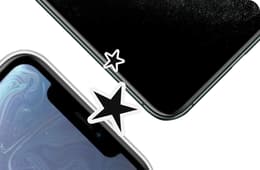
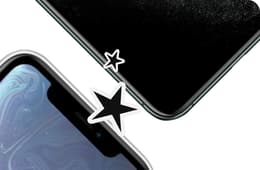
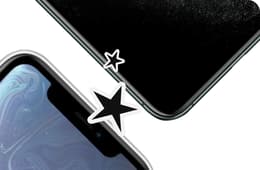
  • Design and Refresh Rate: The iPhone 14 features a traditional notch at the top of its display. The iPhone 15 replaces this with the Dynamic Island, an interactive area that adapts to alerts and live activities. Both models maintain a standard 60Hz refresh rate, providing a smooth experience for most content.

Resolution

1170 x 2532

1179 x 2556

Screen type

Super Retina XDR OLED

Super Retina XDR OLED

Audiovisual

Camera capabilities are a significant factor for many users, and both the iPhone 14 and iPhone 15 offer advanced photographic and videographic features, with the newer model introducing notable enhancements.

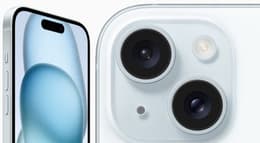
  • Main Camera System: The iPhone 14 features a dual-camera system with a 12MP main sensor and a 12MP ultra-wide lens. The iPhone 15 upgrades to a 48MP main camera, which uses pixel binning to produce detailed 24MP photos by default, alongside a 12MP ultra-wide lens. This allows for greater detail and flexibility in cropping.
  • Photography Features: Both models include features like Photonic Engine, Deep Fusion, and Smart HDR for improved image processing, especially in challenging lighting conditions. The iPhone 15 introduces next-generation portraits with enhanced Focus and Depth Control, and a 2x telephoto option enabled by the quad-pixel sensor of the main camera.
  • Video Recording and Audio: Both devices support 4K video recording at various frame rates, Cinematic Mode for shallow depth-of-field effects, and Action Mode for stabilized video. The microphone quality on both is suitable for clear calls and video recording, and their speakers provide a good audio experience for media consumption.

Main camera

12 megapixels

48 megapixels

Front camera

12 megapixels

12 megapixels

Miscellaneous

Beyond core performance and display, several practical elements contribute to the overall user experience and differentiate these two iPhone models.

  • Connectivity and Ports: Both the iPhone 14 and iPhone 15 support 5G cellular connectivity and Wi-Fi 6. The iPhone 14 utilizes Apple's proprietary Lightning port for charging and data transfer. In a significant change, the iPhone 15 adopts the universal USB-C port, offering broader compatibility with accessories and potentially faster data transfer speeds, though the base model supports USB 2.0 speeds.
  • Physical Design and Handling: The iPhone 14 features an aerospace-grade aluminum design with a glass back. The iPhone 15 retains a similar aluminum frame but introduces a color-infused glass back with a textured matte finish and contoured edges, which may offer a slightly different in-hand feel. Both devices have similar dimensions and weight, making them comfortable for one-handed use.
  • Additional Features: Both models include Face ID for secure authentication, Emergency SOS via Satellite, and Crash Detection, enhancing user safety. The iPhone 15 also benefits from the Dynamic Island, which provides an interactive and dynamic notification and activity display.

Weight

6 oz

171 oz

Screen size (inches)

6.1

6.1

Network

5G

5G

SIM card

eSIM

eSIM

Carrier compatibility

T-Mobile

AT&T

Connector

Lightning

USB-C (USB 2)

The iPhone 14 and iPhone 15 both offer a robust and reliable smartphone experience within the Apple ecosystem. User sentiment often highlights the iPhone 14 as a solid performer that delivers on core expectations, particularly for those who appreciate its established design and capabilities. Criticisms, when present, sometimes point to its incremental updates compared to its Pro counterparts at the time of its release.

The iPhone 15, on the other hand, is frequently praised for its adoption of the Dynamic Island, bringing a more modern interface element to the standard models. The switch to USB-C is also a widely appreciated change for its convenience and universality. Users often note the improved camera as a significant upgrade, especially for everyday photography. Some minor criticisms might revolve around the fact that the USB-C port on the base model doesn't offer the fastest data transfer speeds available on the Pro models.

Users prioritizing a slightly more modern design, enhanced camera capabilities, and the convenience of USB-C connectivity may find the iPhone 15 better suited to their needs. Those who value a proven and capable device with a familiar interface, and who may not require the very latest features, will find the iPhone 14 to be a strong option. Both devices represent excellent choices, and considering a quality-assured refurbished option for either model can be a sustainable choice for consumers.


See all articles

Our recent comparisons