
iPhones
Compare models
Differences at a glance
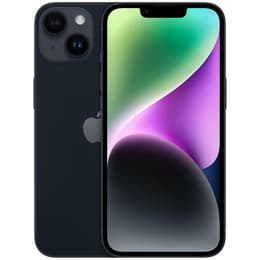
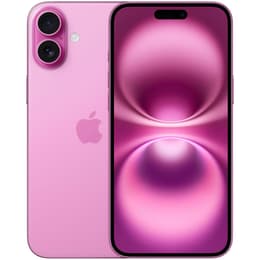
The iPhone 14, released in September 2022, and the iPhone 16 Plus, launched in September 2024, represent different generations within Apple's smartphone lineup. While both devices operate on the iOS ecosystem, the iPhone 16 Plus introduces a larger display, an updated camera system, and enhanced internal components, setting it apart from its predecessor. These differences cater to varying user preferences regarding screen size, photographic capabilities, and overall device longevity.
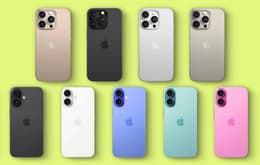
Color
Storage
When considering the practical lifespan of these devices, several factors come into play, including their release timelines, software support, and repairability.
Release Year
Last OS Compatibility
Foldable
The performance of a smartphone is crucial for daily tasks, from app usage to demanding multimedia applications. Both devices offer capable performance, but the newer model provides a more advanced experience.
The display is a primary interface for smartphone interaction, and both iPhones offer high-quality viewing experiences with notable differences in size and brightness capabilities.
Resolution
Screen type
The camera systems on both devices are designed to capture high-quality images and videos, with the newer model introducing significant advancements.
Main camera
Front camera
Beyond core specifications, several practical elements contribute to the overall user experience and device utility.
Weight
Screen size (inches)
Network
SIM card
Carrier compatibility
Connector
The iPhone 14 and iPhone 16 Plus cater to different user needs, reflecting advancements over two generations. Users often praise the iPhone 14 for its reliable performance, capable camera for everyday use, and its relatively compact size. However, some users have noted concerns regarding battery degradation over time.
The iPhone 16 Plus, being the newer device, generally receives acclaim for its larger, brighter display, significantly upgraded camera system with new features like Spatial Video and the Camera Control button, and its enhanced processing power. Its longer expected software support and the versatility of the Action Button are also frequently highlighted as benefits. Criticisms for newer models often revolve around the incremental nature of some upgrades compared to their immediate predecessors, though the jump from the iPhone 14 to the 16 Plus is more substantial.
Users prioritizing a more compact device with solid performance for daily tasks and who are comfortable with a slightly older camera system may find the iPhone 14 to be a suitable choice. Conversely, those who value a larger display for media and productivity, desire the latest camera innovations, require more processing power for demanding applications, and seek longer software longevity will likely find the iPhone 16 Plus better suited to their needs. For individuals considering either model, exploring quality-assured refurbished options can provide an eco-friendly alternative to purchasing new, extending the life cycle of these devices.