
Compare models
iPhone 15 • Locked AT&T vs iPhone 16e • Unlocked
- 1-year warranty
- Free standard shipping
- Free 30-day returns
Differences at a glance
The iPhone 15, released in September 2023, and the iPhone 16E, introduced in February 2025, represent different approaches within Apple's smartphone lineup. While both devices operate on Apple's iOS platform, the iPhone 16E was positioned as an entry-level option within the iPhone 16 series, featuring a newer processor and enhanced software capabilities, whereas the iPhone 15 offered a more established feature set at its launch.
Available Models
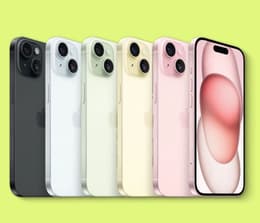
Color
Storage (GB)
Scores
Durability
When considering the practical lifespan of these devices, their release timelines and software support are key factors.
- Release and Discontinuation: The iPhone 15 was released in September 2023 and was discontinued in September 2025. The iPhone 16E, released in February 2025, had a shorter market presence, being discontinued in March 2026.
- Software Longevity: Both models launched with recent iOS versions, with the iPhone 15 starting on iOS 17 and the iPhone 16E on iOS 18.3. Apple typically provides several years of software updates, meaning the iPhone 16E, being a newer device, would theoretically receive updates for a longer period from its release date. However, its early discontinuation might influence future support expectations.
- Durability Features: Both devices feature a Ceramic Shield front cover and are rated IP68 for dust and water resistance, indicating similar levels of protection against environmental elements.
Release Year
2023
2025
OS
iOS
iOS
Foldable
No
No
Performance
Performance is a significant differentiator, primarily due to the generational gap in their internal components.
- Processing Power: The iPhone 15 is equipped with an A16 Bionic chip, providing robust performance for everyday applications and multitasking. The iPhone 16E, however, features the newer A18 chip, which offers faster CPU and GPU speeds, leading to smoother operation for demanding apps and more efficient handling of complex tasks.
- Multitasking and Responsiveness: The iPhone 15 includes 6GB of RAM, while the iPhone 16E comes with 8GB of RAM. This increased memory in the iPhone 16E contributes to improved multitasking capabilities, allowing users to switch between applications more fluidly without experiencing slowdowns.
- Software Integration: A key distinction is the iPhone 16E's support for Apple Intelligence features, which are not available on the iPhone 15. This means the iPhone 16E can leverage advanced on-device AI capabilities for various tasks, enhancing user experience in areas like text summarization and image generation.
Screen quality
Both smartphones offer high-quality displays, but there are subtle differences in their presentation and features.
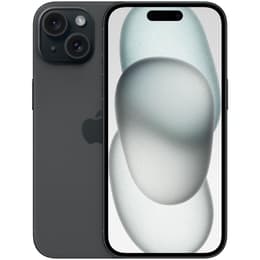
- Display Technology and Size: Both the iPhone 15 and iPhone 16E feature a 6.1-inch Super Retina XDR OLED display, providing vibrant colors and deep blacks.
- Resolution and Clarity: The iPhone 15 has a resolution of 2556x1179 pixels at approximately 460 ppi, while the iPhone 16E offers a resolution of 2532x1170 pixels. Both deliver sharp and clear visuals for text and images.
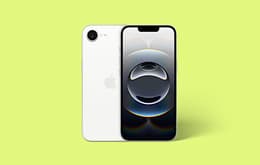
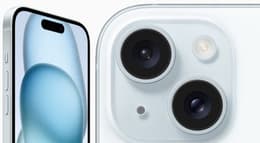
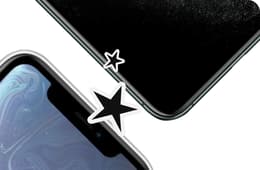
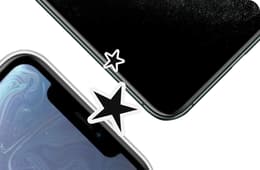
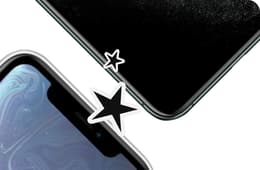
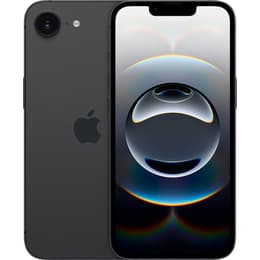
- Display Features: The iPhone 15 incorporates the Dynamic Island for interactive alerts and activities. In contrast, the iPhone 16E utilizes a traditional notch for its front camera and Face ID sensors, resembling the design of earlier iPhone models. Neither device features a high refresh rate display, with both maintaining a standard 60Hz.
Resolution
1179 x 2556
2532x1170
Screen type
Super Retina XDR OLED
Super Retina XDR
Audiovisual
The camera systems on these devices cater to slightly different user needs, particularly in terms of versatility.
- Rear Camera System: The iPhone 15 features an advanced dual-camera system, including a 48MP Main camera with sensor-shift optical image stabilization and a 12MP Ultra Wide camera. The 48MP main sensor also enables a 2x telephoto option. The iPhone 16E, on the other hand, comes with a single 48MP Fusion rear camera, which also offers 2x optical zoom through sensor cropping but lacks a dedicated ultrawide lens.
- Photography Features: Both models support Night mode, Smart HDR, and Portrait mode for enhanced photography. However, the iPhone 16E's Portrait mode is more basic, without the advanced focus control found in more premium models. The iPhone 15 also supports Cinematic mode for video recording up to 4K HDR at 30 fps.
- Front Camera: Both devices are equipped with a 12MP TrueDepth front camera, capable of capturing detailed selfies and supporting Face ID.
Main camera
48 megapixels
48MP
Front camera
12 megapixels
TrueDepth 12MP
Miscellaneous
Beyond core performance and display, several practical elements distinguish the iPhone 15 and iPhone 16E.
- Connectivity and Ports: Both phones support 5G connectivity, Wi-Fi 6, and Bluetooth 5.3. A notable change is the adoption of USB-C for charging and data transfer on both models, moving away from the Lightning connector. However, the iPhone 16E uses an Apple-designed C1 modem, which is noted for power efficiency but does not support mmWave 5G, unlike the iPhone 15.
- Physical Controls and Sensors: The iPhone 16E introduces the Action Button, a customizable button that replaces the traditional mute switch found on the iPhone 15. Both devices feature Face ID for secure authentication. The iPhone 15 includes a second-generation Ultra Wideband chip, which is absent in the iPhone 16E.
- Build and Handling: Both models share similar dimensions and weight, offering a comparable in-hand feel. The iPhone 15 features a color-infused glass back, while the iPhone 16E has a standard glass back.
Weight
171 oz
167 oz
Screen size (inches)
6.1
6.1
Network
5G
5G
SIM card
eSIM
eSIM
Carrier compatibility
AT&T
Unlocked
Connector
USB-C (USB 2)
USB-C
What the community thinks
User feedback for the iPhone 15 often highlights its balanced performance, the introduction of the Dynamic Island to the standard model, and the transition to USB-C as significant improvements. Some users noted its camera system as a strong point for everyday photography. Criticisms sometimes centered on the 60Hz display, which some felt was a missed opportunity for a smoother experience. The iPhone 16E, despite its newer release, was positioned as a more budget-conscious option within its generation. Users appreciated its powerful A18 chip and the inclusion of Apple Intelligence, making it a future-ready device in terms of software. However, the absence of an ultrawide camera, the retention of a notch instead of Dynamic Island, and the lack of MagSafe were frequently mentioned as trade-offs.
Users prioritizing a comprehensive camera system with both wide and ultrawide lenses, along with the interactive Dynamic Island, may find the iPhone 15 better suited to their needs. Those who value the latest processing power, Apple Intelligence capabilities, and extended software longevity, and are content with a single main camera and a traditional notch design, might lean towards the iPhone 16E. For consumers looking for an eco-friendly and quality-assured refurbished option, both models offer a pathway to experience Apple's ecosystem while making a sustainable choice.