
Compare models
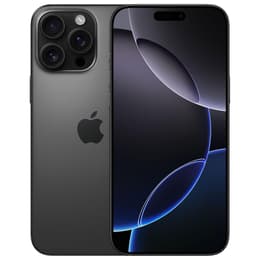
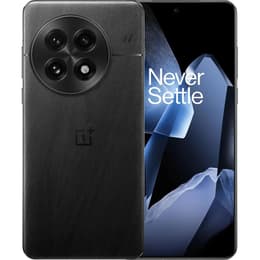
iPhone 16 Pro Max • Unlocked vs OnePlus 13 • Unlocked
- 1-year warranty
- Free standard shipping
- Free 30-day returns
Differences at a glance
The iPhone 16 Pro Max (2024) and the OnePlus 13 (2025) represent large-format flagship smartphones designed for users seeking expansive displays and high-tier capabilities. While both devices deliver powerful everyday performance and sophisticated multi-lens camera systems, they operate on different software ecosystems—iOS and Android—and approach hardware design with distinct priorities.
Available Models
Color
Storage (GB)
Scores
Durability
Both smartphones provide robust physical construction and long-term software support, though their update models differ based on platform ecosystems.
- Software longevity: The iPhone 16 Pro Max receives Apple's traditional multi-year cycle of iOS updates, while the OnePlus 13 offers an extended schedule of major Android upgrades and security patches.
- Repairability: Both manufacturers design their devices with structured internal layouts, though repair access and spare parts availability vary depending on regional service networks.
- Expected lifespan: High-capacity internal storage and current-generation hardware ensure both devices maintain operational longevity for several years of heavy daily use.
Release Year
2024
2024
Foldable
No
No
Performance
Performance capabilities across both devices handle demanding applications, extensive multitasking, and graphics-heavy gaming without noticeable friction.
- System responsiveness: Applications open instantly, and switching between multiple resource-heavy programs remains fluid thanks to advanced internal processors and ample memory configurations.
- Battery behavior: Both models are equipped to handle full-day workflows, with optimization features that manage power consumption efficiently during navigation, streaming, and gaming.
- Storage configurations: Both devices offer spacious internal storage tiers starting at generous capacities to accommodate large media libraries and offline files.
Screen quality
Display design is a primary focus for both large-format devices, utilizing advanced panel technology to maximize clarity and viewing comfort.
- Display technology: Both phones feature bright OLED screens with high refresh rates up to 120Hz, ensuring smooth scrolling and responsive touch interaction.
- Outdoor visibility: High peak brightness levels allow text and images to remain legible even under direct sunlight or bright ambient lighting.
- Viewing experience: Expansive screen sizes paired with thin bezels make both devices well-suited for media streaming, digital reading, and detailed photo editing.
Resolution
1320 x 2868
1440x3168
Screen type
LTPO Super Retina XDR OLED
LTPO 4.1 AMOLED
Audiovisual
Imaging hardware on both smartphones accommodates diverse photography styles, featuring versatile multi-lens arrays that handle varied lighting conditions.
- Lens versatility: Both models incorporate high-resolution main, ultra-wide, and telephoto lenses that capture fine details and support optical zoom ranges.
- Video recording: Advanced stabilization and high-resolution capture modes allow for smooth, detailed video output in diverse environments.
- Audio capabilities: Stereo speakers deliver balanced sound output for media playback, while multi-microphone arrays isolate voices clearly during calls and voice recordings.
Main camera
48 megapixels
64
Miscellaneous
Physical handling and connectivity features shape the daily user experience of these large-format smartphones.
- Build materials: Both devices combine durable glass backs with reinforced frames, offering water and dust resistance for everyday protection.
- Connectivity: Modern wireless standards including 5G, Wi-Fi 7, and advanced Bluetooth support ensure fast data transfers and stable peripheral connections.
- Authentication: Each device utilizes secure biometric entry systems, offering swift unlocking and secure authentication for digital payments.
Weight
185 oz
7 oz
Screen size (inches)
6.9
6.82
Network
5G
5G
SIM card
eSIM
Dual Physical SIM
Carrier compatibility
Unlocked
Unlocked
Connector
USB-C (USB 3)
USB-C
What the community thinks
User feedback highlights the dependable battery endurance and bright, responsive displays of both devices, while noting that their substantial physical footprints require two-handed use for comfortable navigation. Users prioritizing a streamlined software ecosystem and long-term ecosystem integration often favor the iPhone 16 Pro Max, while those who prefer extensive system customization and rapid charging capabilities frequently lean toward the OnePlus 13. Choosing between them depends primarily on individual software preferences and workflow habits rather than raw capability gaps. For those exploring sustainable purchasing avenues, choosing a quality-assured refurbished option provides an eco-friendly alternative to brand-new hardware without compromising on performance.