Compare models

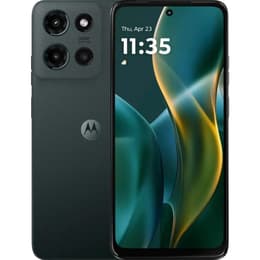
iPhone SE (2022) • Locked T-Mobile vs Motorola Moto G (2025) • Unlocked

  • 1-year warranty
  • Free standard shipping
  • Free 30-day returns
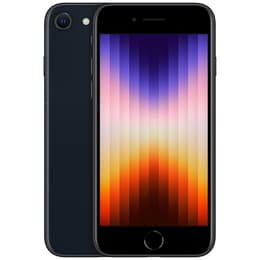
iPhone SE (2022) • Locked T-Mobile
Starting at

Refurbished price:$128.78

Versus $429.00 new

See options
Motorola Moto G (2025) • Unlocked
Starting at

Refurbished price:$166.00

Versus $399.00 new

See options

Differences at a glance

The iPhone SE (2022) and the Motorola Moto G (2025) represent two distinct approaches to everyday mobile technology. Released a few years apart, the iPhone SE runs on Apple's closed ecosystem with a compact, traditional form factor, whereas the Motorola Moto G operates on the flexible Android platform with a larger physical footprint. While both devices cater to users seeking streamlined functionality without excess complexity, they differ significantly in their operating systems, physical dimensions, and hardware layout. Understanding these core differences helps determine which device aligns better with daily routines.

Available Models

Color

Storage (GB)

Scores

Durability

When evaluating the long-term viability of these two devices, software support schedules and hardware resilience play crucial roles in determining how long each phone remains practical for daily use.

  • Software update timeline: The iPhone SE benefits from Apple's extended update policy, typically receiving operating system upgrades for several years following release, whereas the Motorola Moto G follows standard Android support windows which generally cover fewer major system updates.
  • Repairability and physical resilience: Both devices feature standard construction materials typical of their respective tiers, though finding service options and replacement components is widely accessible through standard repair channels for both ecosystems.
  • Expected practical lifespan: Users choosing a quality-assured refurbished option of the iPhone SE can expect reliable software longevity, while the newer Motorola Moto G provides current out-of-the-box software support for users prioritizing recent platform releases.

Release Year

2022

2025

OS

iOS

Android

Foldable

No

No

Performance

Day-to-day speed, memory capacity, and battery behavior define how smoothly each smartphone handles routine tasks, multitasking, and media consumption.

  • Multitasking and app handling: Both devices manage everyday applications, web browsing, and messaging smoothly, though differences in internal memory configurations affect how many background tasks remain active simultaneously.
  • Battery behavior: The Motorola Moto G typically houses a larger physical battery capacity suited for extended daily usage, while the iPhone SE relies on software optimization to manage power consumption across its smaller frame.
  • System responsiveness: App loading times and general interface navigation feel fluid on both models, ensuring that standard communication and productivity apps run without noticeable stutter.

Screen quality

Visual output varies notably between the two models due to differing panel technologies, physical screen sizes, and refresh rates.

  • Display technology and size: The iPhone SE utilizes a smaller traditional liquid crystal display with a physical home button, while the Motorola Moto G features a much larger edge-to-edge screen providing expansive viewing area for media.
  • Refresh rate and smoothness: The Motorola Moto G incorporates a higher refresh rate panel that results in smoother scrolling animations, compared to the standard refresh rate found on the iPhone SE.
  • Outdoor visibility: Both screens offer sufficient brightness levels for comfortable reading under standard daylight conditions, though users consuming heavy media often prefer the expansive canvas of the Motorola device.

Resolution

750 x 1334

720x1604

Screen type

Retina IPS LCD

IPS LCD

Audiovisual

Imaging hardware and audio output shape the multimedia experience, affecting everything from casual snapshots to video calls and media playback.

  • Camera system capabilities: Both phones rely on single or dual rear camera configurations designed for straightforward point-and-shoot photography, handling well-lit environments reliably.
  • Low-light and video performance: Image processing software on both models manages standard lighting adjustments automatically, with video recording supporting stable high-definition capture for everyday memories.
  • Audio and media output: Built-in speakers provide adequate volume for hands-free calls and casual video viewing, while standard microphone arrays ensure clear voice transmission during phone conversations.

Miscellaneous

Practical physical characteristics, connectivity standards, and daily usability factors distinguish how each phone feels and connects in real-world scenarios.

  • Connectivity options: Both models support modern mobile networks, including fifth-generation cellular connectivity where available, alongside standard Wi-Fi and Bluetooth protocols.
  • Port types and charging: The Motorola Moto G utilizes a universal reversible charging port standard, whereas the iPhone SE employs a proprietary connector layout.
  • Physical dimensions and handling: The iPhone SE offers a lightweight, highly pocketable footprint suitable for one-handed operation, while the Motorola Moto G provides a larger, more immersive form factor that requires two hands for comfortable reach.

Weight

3 oz

7 oz

Screen size (inches)

4.7

6.7

Network

5G

5G

SIM card

Physical SIM + eSIM

Physical SIM + eSIM

Carrier compatibility

T-Mobile

Unlocked

What the community thinks

User feedback from online forums highlights distinct preferences for each device based on daily habits. Owners of the iPhone SE frequently praise its compact size, familiar physical button navigation, and long-term software consistency within the Apple ecosystem. Conversely, users of the Motorola Moto G highlight the expansive screen estate, modern display smoothness, and versatile Android customization options as major daily benefits. Common criticisms for the iPhone SE center on its smaller battery capacity and dated physical bezels, while Moto G users occasionally note the larger footprint is less convenient for single-handed pockets.

Users prioritizing a compact, pocket-friendly device with extended software update cycles may prefer the iPhone SE, keeping in mind its carrier lock status. Meanwhile, users prioritizing a larger screen, modern display refresh rates, and an unlocked carrier status will find the Motorola Moto G well-suited to their needs. Selecting an eco-friendly refurbished model of either device offers a sustainable choice for consumers aiming to reduce electronic waste while acquiring reliable technology. Ultimately, the decision rests on whether a compact operating system experience or a large-format media display fits individual daily routines better.

Our recent comparisons