
iPhone 12 Pro • Unlocked vs iPhone X • Unlocked

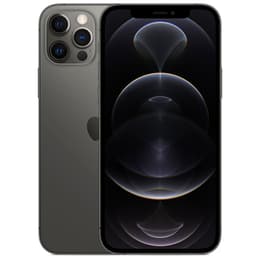
iPhone 12 Pro • Unlocked
Starting at

Refurbished price:$258.00

Versus $799.00 new

See options
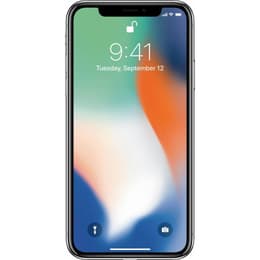
iPhone X • Unlocked
iPhone X • Unlocked
Starting at

Refurbished price:$149.00

Versus $449.00 new

See options

Ratings

The iPhone 12 Pro, released in October 2020, and the iPhone X, launched in November 2017, represent different eras in Apple's smartphone evolution. While both devices feature an OLED display and Face ID, the iPhone 12 Pro introduces a more advanced camera system, a newer processor, and enhanced durability features. Both run on Apple's iOS operating system, offering a consistent user experience.

Scores

Durability

When considering the practical lifespan of these devices, several factors come into play, including their release timelines, software support, and repairability.

  • Release Timeline: The iPhone X, released in late 2017, is an older model compared to the iPhone 12 Pro, which launched in late 2020. This three-year difference directly impacts their remaining software support.
  • OS Support: The iPhone 12 Pro benefits from a longer expected period of iOS updates due to its more recent release. As of March 2026, the iPhone 12 Pro is running iOS 26.4, while the iPhone X is on iOS 16.7.15, indicating a significant difference in ongoing software longevity.
  • Repairability: Both models generally receive moderate repairability scores. The iPhone X received a score of 6 or 7.5 out of 10 from iFixit/RepairabilityScore.in, with display and battery replacements being relatively straightforward. The iPhone 12 Pro also scored a 6 out of 10 from iFixit, noting modular components but proprietary screws and waterproofing as complicating factors.

Release Year

2020

2017

Last OS Compatibility

Yes

No

OS

iOS

iOS

Foldable

No

No

Performance

The performance of a smartphone is largely determined by its internal components, affecting everything from app loading to multitasking and gaming.

  • Processor Capabilities: The iPhone 12 Pro is equipped with a newer generation processor, which provides a noticeable boost in speed and efficiency compared to the iPhone X's processor. This translates to faster app launch times, smoother navigation, and more capable handling of demanding applications and games on the 12 Pro.
  • Multitasking and Responsiveness: The iPhone 12 Pro features more RAM, contributing to improved multitasking capabilities and overall system responsiveness. Users will experience less reloading of apps when switching between them, and the device maintains fluidity even with multiple processes running simultaneously.
  • Battery Behavior: The iPhone 12 Pro has a slightly larger battery capacity than the iPhone X. While the iPhone X generally offers a full day of use for moderate users, the iPhone 12 Pro's battery life can be impacted by its 5G connectivity, though it still typically provides a full day of power.

Memory

6 GB

3 GB

Screen quality

The display is a primary interface for any smartphone, and both the iPhone 12 Pro and iPhone X offer high-quality viewing experiences with OLED technology.

  • Display Technology and Clarity: Both devices feature OLED Super Retina displays, providing deep blacks, vibrant colors, and excellent contrast. The iPhone 12 Pro, however, boasts a Super Retina XDR display, offering enhanced HDR capabilities and a higher typical brightness level.
  • Resolution and Size: The iPhone 12 Pro has a slightly larger 6.1-inch display with a resolution of 2532x1170 pixels at 460 ppi. The iPhone X features a 5.8-inch display with a resolution of 2436x1125 pixels at 458 ppi. Both offer sharp and clear visuals for everyday viewing.
  • Brightness and Refresh Rate: The iPhone 12 Pro offers a higher maximum brightness, especially for HDR content, making it more visible in bright outdoor conditions. Both phones have a standard 60Hz refresh rate, providing a smooth but not exceptionally fluid scrolling experience.

Resolution

1170 x 2532

1125 x 2436

Screen type

Super Retina XDR OLED

Super Retina OLED

Audiovisual

Camera capabilities are a significant consideration for many users, and both iPhones offer capable systems, with the 12 Pro introducing notable advancements.

  • Camera System: The iPhone X features a dual 12MP camera system with wide and telephoto lenses, both with optical image stabilization. The iPhone 12 Pro upgrades this to a triple 12MP system, adding an ultra-wide lens and improving the apertures of the wide and telephoto lenses for better light capture.
  • Low-Light and Photography Features: The iPhone 12 Pro significantly enhances low-light performance with features like Night mode on all lenses and Deep Fusion. It also includes a LiDAR Scanner, which improves autofocus in challenging lighting conditions and enables Night mode portraits. The iPhone X offers Portrait Mode and Portrait Lighting.
  • Video Recording: Both devices are capable of recording 4K video at up to 60 frames per second. The iPhone 12 Pro further distinguishes itself with Dolby Vision HDR video recording, offering a wider dynamic range and more vibrant colors in video content.

Main camera

12 megapixels

12 megapixels

Front camera

12 megapixels

7 megapixels

Miscellaneous

Beyond core features, several practical elements contribute to the overall user experience and device functionality.

  • Connectivity: A key difference is the iPhone 12 Pro's support for 5G cellular connectivity, offering faster download and upload speeds in supported areas, which the iPhone X lacks. Both support modern Wi-Fi standards and Bluetooth 5.0.
  • Build Materials and Durability: The iPhone X features a glass front and back with a stainless steel frame, and is rated IP67 for water and dust resistance. The iPhone 12 Pro also uses a stainless steel frame and glass back, but introduces a Ceramic Shield front cover for improved drop performance and has an enhanced IP68 water resistance rating.
  • Sensors and Ports: Both devices rely on Face ID for biometric authentication. The iPhone 12 Pro also integrates a LiDAR Scanner, which enhances augmented reality experiences and camera performance. Both models utilize the Lightning port for charging and data transfer.

Weight

7 oz

6 oz

Screen size (inches)

6.1

5.8

Network

5G

LTE

SIM card

Physical SIM + eSIM

Physical SIM

Carrier compatibility

Unlocked

Unlocked

Connector

Lightning

Lightning

The iPhone 12 Pro and iPhone X cater to users with varying priorities, reflecting the technological advancements over their respective release cycles. User sentiment for the iPhone X often highlights its groundbreaking design at the time of its release, its vibrant OLED display, and its capable dual-camera system. Some users noted its battery life as decent but not exceptional.

For the iPhone 12 Pro, common praise points include its robust performance, the versatility and quality of its triple-camera system, and the improved durability offered by the Ceramic Shield. Some users, however, have expressed concerns regarding its battery performance, particularly when utilizing 5G connectivity.

Users prioritizing the latest camera technology, including enhanced low-light capabilities, LiDAR-assisted autofocus, and Dolby Vision video recording, will find the iPhone 12 Pro well-suited to their needs. Its newer processor also offers a more future-proof experience for demanding applications and multitasking. Conversely, users who value a more compact form factor and a still-capable device for everyday tasks, without the need for the absolute latest in camera or processing power, may find the iPhone X to be a suitable option. Both devices offer a premium Apple experience, and choosing a quality-assured refurbished option for either model can be a sustainable choice for consumers.
See all articles

Our recent comparisons