iPhone 12 mini • Unlocked vs iPhone 15 • Unlocked

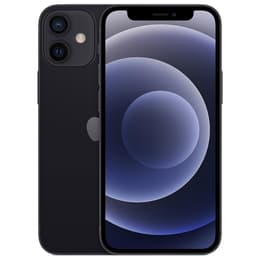
iPhone 12 mini • Unlocked
Starting at

Refurbished price:$148.00

Versus $459.00 new

See options
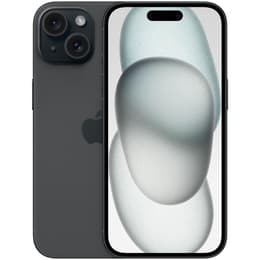
iPhone 15 • Unlocked
Starting at

Refurbished price:$359.99

Versus $729.00 new

See options

Ratings

The iPhone 12 Mini, released in November 2020, and the iPhone 15, launched in September 2023, represent different generations within Apple's smartphone lineup. While both operate on Apple's iOS ecosystem, the primary distinctions lie in their physical size, internal components, and camera capabilities, reflecting three years of technological advancements. The iPhone 12 Mini offers a compact form factor, whereas the iPhone 15 provides a larger display and more recent hardware innovations.

Scores

Durability

The expected practical lifespan of a smartphone is influenced by its release timeline, software support, and physical resilience.

  • Release Timeline: The iPhone 12 Mini was released in November 2020, making it an older model compared to the iPhone 15, which launched in September 2023. This three-year difference impacts their respective positions in the software update cycle.
  • OS Support: Apple typically provides iOS updates for 5-6 years from a device's release. The iPhone 12 Mini, having launched with iOS 14, is expected to receive updates until around iOS 18 or 19. The iPhone 15, launching with iOS 17, is anticipated to receive support for several more years, potentially until iOS 20 or 21, offering a longer period of access to the latest features and security patches.
  • Repairability: The iPhone 12 Mini features a Ceramic Shield front cover, designed to improve drop performance. The iPhone 15 also incorporates a Ceramic Shield front and a color-infused glass back, with an aluminum design. Recent iPhone models, including the iPhone 15 series, have seen improvements in repairability scores, with the iPhone 15 receiving a 7/10 score from some assessments, compared to older models like the iPhone 12 series which typically had a 4/10 score. This suggests that the iPhone 15 may be more straightforward to repair if components need replacement.

Release Year

2020

2023

Last OS Compatibility

Yes

Yes

OS

iOS

iOS

Foldable

No

No

Performance

Performance differences between these two models are notable, primarily due to the generational gap in their internal processing units and system optimizations.

  • Processor Capabilities: The iPhone 12 Mini is equipped with a capable processor that handles everyday tasks, app usage, and moderate multitasking smoothly. The iPhone 15 features a more advanced processor, providing enhanced speed and efficiency for demanding applications, complex gaming, and intensive multitasking. This newer processor allows for quicker app loading times and a more responsive overall user experience.
  • Storage Options: Both devices offer various internal storage configurations. The iPhone 12 Mini was available in 64GB, 128GB, and 256GB options. The iPhone 15 starts with 128GB and goes up to 512GB, providing more base storage and higher maximum capacity for users with extensive digital content.
  • Battery Behavior: The iPhone 12 Mini, due to its compact size, has a smaller battery capacity, which often translates to needing more frequent charging for users with heavy usage patterns. The iPhone 15 offers a larger battery, generally providing all-day power for most users, with up to 20 hours of video playback.

Memory

4 GB

6 GB

Screen quality

The visual experience on both devices is delivered through high-quality displays, though the iPhone 15 introduces several enhancements.

  • Display Technology and Size: Both the iPhone 12 Mini and iPhone 15 feature Super Retina XDR OLED displays, known for deep blacks, vibrant colors, and excellent contrast. However, the iPhone 12 Mini has a compact 5.4-inch screen, ideal for one-handed use. The iPhone 15 offers a larger 6.1-inch display, providing a more expansive viewing area for media consumption and productivity.
  • Brightness Levels: The iPhone 12 Mini offers a typical maximum brightness of 625 nits and a peak HDR brightness of 1200 nits. The iPhone 15 significantly improves upon this with a typical maximum brightness of 1000 nits, a peak HDR brightness of 1600 nits, and an impressive 2000 nits for outdoor peak brightness, making it more visible in bright sunlight.
  • Additional Features: The iPhone 15 introduces the Dynamic Island, a dynamic area at the top of the display that adapts to show alerts and live activities, which is not present on the iPhone 12 Mini. Both displays maintain a standard refresh rate.

Resolution

1080 x 2340

1179 x 2556

Screen type

Super Retina XDR OLED

Super Retina XDR OLED

Audiovisual

Camera systems have seen significant evolution between these two iPhone generations, offering different capabilities for photography and videography.

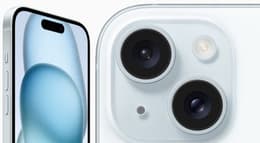
  • Rear Camera System: The iPhone 12 Mini features a dual 12MP camera system, including a wide and an ultra-wide lens, capable of 2x optical zoom out and 5x digital zoom. It supports Night mode, Deep Fusion, and Smart HDR 3. The iPhone 15 upgrades to an advanced dual-camera system with a 48MP main camera (which can capture 24MP and 48MP super-high-resolution photos) and a 12MP ultra-wide camera. It also includes a 12MP 2x telephoto option enabled by the quad-pixel sensor, offering 2x optical zoom in and 4x optical zoom range, with up to 10x digital zoom. The iPhone 15 benefits from newer computational photography features like Photonic Engine and Smart HDR 5.
  • Low-Light and Video Performance: Both devices offer Night mode for improved low-light photography. The iPhone 15's larger sensor and advanced processing generally result in better low-light performance and detail. For video, the iPhone 12 Mini supports HDR video recording with Dolby Vision up to 4K at 30 fps. The iPhone 15 enhances this with HDR video recording with Dolby Vision up to 4K at 60 fps, and introduces Cinematic mode up to 4K HDR at 30 fps and Action mode for stabilized video.
  • Front Camera: Both phones feature a 12MP front-facing camera. The iPhone 15's front camera benefits from a wider aperture and autofocus with Focus Pixels, leading to improved selfies and video calls, especially in varying light conditions.

Main camera

12 megapixels

48 megapixels

Front camera

12 megapixels

12 megapixels

Miscellaneous

Beyond core features, several practical elements differentiate the user experience between the iPhone 12 Mini and the iPhone 15.

  • Connectivity: Both devices support 5G connectivity for faster cellular data speeds. The iPhone 15 includes Wi-Fi 6, while the iPhone 12 Mini also supports Wi-Fi 6. The iPhone 15 features Bluetooth 5.3, an upgrade from the iPhone 12 Mini's Bluetooth 5.0, offering potentially more stable and efficient wireless accessory connections.
  • Port Type: A significant change is the charging and data port. The iPhone 12 Mini uses Apple's proprietary Lightning connector. The iPhone 15 transitions to a USB-C port, aligning with broader industry standards and allowing for a single cable to charge multiple devices.
  • Design and Handling: The iPhone 12 Mini is notably smaller and lighter, weighing 135 grams and measuring 131.5 x 64.2 x 7.4 mm, making it highly portable and easy for one-handed operation. The iPhone 15 is larger and heavier at 171 grams and 147.6 x 71.6 x 7.8 mm, offering a more substantial feel and larger screen real estate. Both feature Ceramic Shield fronts for durability. The iPhone 15 also incorporates a color-infused glass back and an aerospace-grade aluminum frame, with 75% recycled aluminum in its enclosure.

Weight

7 oz

171 oz

Screen size (inches)

5.4

6.1

Network

5G

5G

SIM card

Physical SIM + eSIM

eSIM

Carrier compatibility

Unlocked

Unlocked

Connector

Lightning

USB-C (USB 2)

User feedback often highlights the iPhone 12 Mini's appeal for its compact size and ease of handling, making it a preferred choice for those who value portability above all else. Its performance remains adequate for most daily tasks, and its camera system, while not the latest, still delivers quality photos and videos for general use. Criticisms sometimes point to its battery life, which can be a limiting factor for heavy users, and its smaller screen size may not be ideal for extensive media consumption or detailed work.

The iPhone 15, on the other hand, is frequently praised for its significant camera upgrades, including the higher-resolution main sensor and improved low-light capabilities, as well as its enhanced battery life that comfortably lasts a full day for many. The introduction of the Dynamic Island and the shift to USB-C are also often cited as positive, user-centric improvements. Some users might find its larger size less convenient for one-handed use compared to the Mini, but the expanded display offers a more immersive experience.

Users prioritizing a highly portable device that fits comfortably in a small pocket or can be easily operated with one hand may prefer the iPhone 12 Mini. It remains a capable device for communication, casual browsing, and photography. Conversely, users who prioritize a larger, more immersive display, advanced camera features for diverse photography and videography, and longer battery life will find the iPhone 15 better suited to their needs. Its newer processor also ensures a longer period of optimal performance and software support. For those considering an eco-friendly alternative, both models are available as quality-assured refurbished options, offering a sustainable choice for acquiring advanced technology.
See all articles

Our recent comparisons