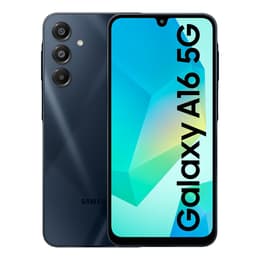
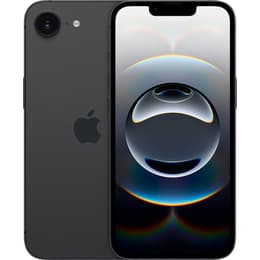

Galaxy A16 5G • Unlocked vs iPhone 16e • Unlocked

Galaxy A16 5G • Unlocked
Starting at

Refurbished price:$140.53

Versus $195.00 new

See options
iPhone 16e • Unlocked
Starting at

Refurbished price:$362.00

Versus $599.00 new

See options

Ratings

The Samsung Galaxy A16 5G, released in late 2024, and the Apple iPhone 16E, launched in early 2025, represent distinct approaches to the smartphone market. While the Galaxy A16 5G offers a larger display and a focus on extended software support within the Android ecosystem, the iPhone 16E provides a compact Apple experience with a powerful processor and integration into the iOS platform. These devices cater to users with differing preferences for operating systems and hardware priorities.

Scores

Durability

The expected practical lifespan of a smartphone is influenced by its release timeline, software support, and physical durability.

  • Release and Support: The Samsung Galaxy A16 5G was released in October 2024 and is notable for its commitment to six years of major OS and security updates, extending its software longevity until October 2030. In contrast, the iPhone 16E, released in February 2025, was discontinued in March 2026, which significantly impacts its long-term availability and future software support expectations, despite Apple's general reputation for extended iOS updates.
  • Durability Features: The iPhone 16E incorporates Ceramic Shield protection for its display, contributing to enhanced screen durability. Both devices offer a degree of water resistance, with the iPhone 16E featuring IP68 resistance. The Galaxy A16 5G's build materials are designed for everyday use, but specific advanced durability features like Ceramic Shield are not highlighted.
  • Repairability: While specific repairability scores for these models are not detailed, the availability of parts and service for a recently discontinued model like the iPhone 16E might become a consideration over time compared to a currently supported Android device.

Release Year

2024

2025

OS

Android

iOS

Foldable

No

No

Performance

Performance in smartphones is about how smoothly the device handles daily tasks, from opening applications to managing multiple processes simultaneously.

  • Processing Power: The iPhone 16E is equipped with an A18 chip, which includes a 6-core CPU and a 4-core GPU, designed to handle demanding applications and support advanced features like Apple Intelligence. This allows for fluid navigation, responsive app launches, and capable performance in graphically intensive tasks. The Galaxy A16 5G utilizes either a MediaTek Dimensity 6300 or an Exynos 1330 processor, which provides smooth performance for common activities such as social media, streaming, and light multitasking. Users who engage in more intensive tasks or gaming might find the iPhone 16E offers a more robust experience.
  • Multitasking and Storage: The iPhone 16E comes with 8GB of RAM, supporting efficient multitasking and ensuring applications remain responsive even when several are open. It offers storage options up to 512GB. The Galaxy A16 5G is available with 4GB, 6GB, or 8GB of RAM, and up to 256GB of internal storage, with some variants offering a microSDXC card slot for expandable storage.
  • Battery Behavior: The Galaxy A16 5G features a 5000 mAh battery, designed to provide extended usage throughout the day for most users. The iPhone 16E has a 4005 mAh battery, with Apple claiming up to 26 hours of video playback, suggesting optimized power management for prolonged use.

Memory (GB)

4 GB

8 GB

Screen quality

The display is a primary interface for smartphone interaction, and its quality significantly impacts the user experience.

  • Display Technology and Clarity: The iPhone 16E features a 6.1-inch Super Retina XDR OLED display, offering deep blacks, vibrant colors, and a resolution of 2532 x 1170 pixels, resulting in a pixel density of 460 pixels per inch. The Galaxy A16 5G sports a larger 6.7-inch Super AMOLED display with a resolution of 2340 x 1080 pixels, providing clear visuals at approximately 385 pixels per inch.
  • Brightness and Refresh Rate: For outdoor visibility, the iPhone 16E's display reaches 800 nits typical max brightness and up to 1200 nits peak brightness for HDR content. The Galaxy A16 5G offers 800 nits HBM (High Brightness Mode) brightness. The Galaxy A16 5G provides a smoother visual experience with a 90Hz refresh rate, while the iPhone 16E maintains a standard 60Hz refresh rate.
  • Viewing Experience: The larger screen of the Galaxy A16 5G may offer a more expansive viewing experience for media consumption and browsing. The iPhone 16E's OLED display, combined with its higher pixel density, delivers sharp text and detailed images within a more compact form factor.

Resolution

1080x2340

2532x1170

Screen type

Super AMOLED

Super Retina XDR

Audiovisual

Camera capabilities are a key consideration for many users, influencing how they capture and share moments.

  • Rear Camera Systems: The iPhone 16E features a 48MP Fusion rear camera with a single lens, capable of capturing high-resolution photos and offering an optical-quality 2x telephoto zoom. The Galaxy A16 5G includes a triple camera setup, highlighted by a 50MP main sensor and a 2MP macro lens for close-up shots.
  • Photography Performance: The iPhone 16E's camera system is designed to leverage the A18 chip for image processing, potentially enhancing detail and color accuracy across various lighting conditions. The Galaxy A16 5G's 50MP main sensor aims to capture detailed images in everyday scenarios.
  • Front Camera and Video: For selfies and video calls, the iPhone 16E is equipped with a 12MP TrueDepth front camera. The Galaxy A16 5G features a 13MP front camera. Both devices are capable of recording quality video, with the iPhone 16E benefiting from Apple's video processing capabilities.

Miscellaneous

Beyond core specifications, several practical elements contribute to the overall usability and experience of a smartphone.

  • Connectivity and Ports: Both devices support 5G connectivity for fast mobile data. The iPhone 16E features Wi-Fi 6 and Bluetooth 5.3, along with a USB-C port for charging and data transfer. The Galaxy A16 5G also includes USB Type-C for connectivity.
  • Security and Interaction: The iPhone 16E incorporates Face ID for secure authentication and payments, and introduces an Action Button for customizable quick access to features. The Galaxy A16 5G typically relies on a fingerprint sensor for biometric security.
  • Design and Handling: The iPhone 16E has dimensions of 146.7 × 71.5 × 7.8 mm and weighs 167g, offering a more compact and lighter feel. The Galaxy A16 5G is larger and slightly heavier at 164.4 x 77.9 x 7.9 mm and 200g, which may appeal to users who prefer a larger device for viewing content.

Weight

7 oz

167 oz

Screen size (inches)

6.7

6.1

Network

5G

5G

SIM card

Physical SIM

eSIM

Carrier compatibility

Unlocked

Unlocked

Connector

USB-C

USB-C

User sentiment for the Samsung Galaxy A16 5G often highlights its strong battery life and the value offered by its large Super AMOLED display and extended software support. Users appreciate the consistent Android experience and the inclusion of a 90Hz refresh rate for smoother scrolling. Some feedback suggests that while its processor handles daily tasks well, power users might seek more robust performance for demanding applications. The commitment to six years of updates is a frequently praised aspect, positioning it as a device with a longer practical software lifespan.

The iPhone 16E, despite its relatively short market availability, was noted for bringing Apple's powerful A18 chip and Apple Intelligence features to a more accessible form factor. Users generally lauded its compact design, the vibrant OLED display with Ceramic Shield, and the capable 48MP Fusion camera. The integration into the Apple ecosystem and the inclusion of features like the Action Button were also positive points. However, its discontinuation shortly after release means that long-term user feedback is limited, and potential buyers should consider its shorter support window compared to other iPhones.

Users prioritizing a larger display, extended software update commitment, and the Android ecosystem will find the Galaxy A16 5G well-suited to their needs. Conversely, users who prefer a more compact device, the iOS experience, a powerful processor for demanding tasks, and advanced camera features may lean toward the iPhone 16E, understanding its shorter market presence. Both devices offer compelling features for different user profiles, and considering a quality-assured refurbished option for either model can be an eco-friendly alternative for making an informed choice.

See all articles

Our recent comparisons