
Compare models

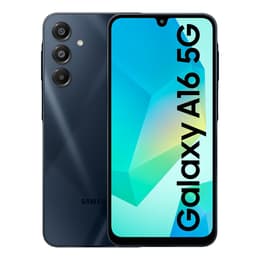
Galaxy A16 5G • Unlocked vs Motorola Moto G Stylus 5G (2024) • Unlocked

  • 1-year warranty
  • Free standard shipping
  • Free 30-day returns
Galaxy A16 5G • Unlocked
Starting at

Refurbished price:$138.49

Versus $195.00 new

See options
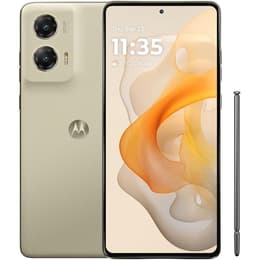
Motorola Moto G Stylus 5G (2024) • Unlocked
Starting at

Refurbished price:$390.00

Versus $399.00 new

See options

Differences at a glance

The Samsung Galaxy A16 5G (2024) and the Motorola Moto G Stylus 5G (2024) are modern mid-range smartphones running the Android operating system. While both devices cater to everyday mobile users seeking reliable 5G connectivity and large screens, they approach functionality differently through Samsung's streamlined software support and Motorola's integrated stylus utility.

Available Models

Color

Storage (GB)

Scores

Durability

When evaluating hardware longevity and software support, both smartphones offer distinct structural advantages for users planning to keep their device for several years.

  • Software Support Duration: The Galaxy A16 5G provides an extended software update commitment spanning multiple years, while the Motorola Moto G Stylus 5G follows a standard update schedule typical of the mid-range category.
  • Repairability and Build: Both models feature durable plastic and glass construction with basic resistance ratings, though the Motorola option utilizes a vegan leather back finish that handles everyday wear differently than smooth plastic.
  • Expected Lifespan: Both devices are built to comfortably support daily routines over a multi-year span, with software longevity heavily favoring Samsung's extended update policy.

Release Year

2024

2024

OS

Android

Android

Foldable

No

No

Performance

Performance and multitasking capabilities vary across these two devices based on their internal hardware configurations and battery management optimization.

  • Multitasking and App Handling: The Motorola Moto G Stylus 5G features ample memory headroom that handles heavy app switching smoothly, while the Galaxy A16 5G manages daily tasks, browsing, and media streaming reliably using its current-generation processor.
  • Battery Behavior: Both smartphones pack large battery capacities designed to easily sustain a full day of mixed usage, though charging speeds differ with Motorola supporting faster wired and wireless replenishment options compared to Samsung's standard wired charging.
  • Storage Flexibility: Both devices offer generous base storage options with expansion capabilities via microSD cards to accommodate large photo libraries and offline media.

Screen quality

Display characteristics differ noticeably between the two models, impacting media consumption, outdoor legibility, and visual smoothness.

  • Display Technology: The Galaxy A16 5G utilizes a vibrant Super AMOLED panel known for deep contrast levels, whereas the Motorola Moto G Stylus 5G employs a fluid pOLED screen with rich color reproduction.
  • Refresh Rate and Fluidity: The Motorola display offers a higher 120Hz refresh rate for smoother scrolling animations, compared to the 90Hz refresh rate found on the Samsung device.
  • Outdoor Visibility: Both panels deliver sufficient peak brightness to remain legible under direct sunlight, paired with spacious viewing areas suitable for reading and watching videos.

Resolution

1080x2340

1080 x 2400

Screen type

Super AMOLED

P-OLED

Audiovisual

Photography and media output capabilities reflect distinct hardware setups tailored for casual creators and daily communicators.

  • Camera Systems: The Motorola Moto G Stylus 5G pairs a high-resolution main sensor featuring optical image stabilization with a capable ultra-wide lens, while the Galaxy A16 5G relies on a standard triple-lens configuration for everyday snapshots.
  • Video and Low-Light: Both phones capture clear daytime video and photos, though optical stabilization on the Motorola model helps reduce blur during movement or dim lighting conditions.
  • Audio and Media Output: The Motorola device incorporates stereo speakers tuned with spatial audio enhancement, providing a robust sound profile for calls and video playback compared to the single speaker setup on the Samsung model.

Miscellaneous

Practical physical characteristics and ecosystem features define the day-to-day handling experience of each smartphone.

  • Physical Design and Input: The Motorola Moto G Stylus 5G distinguishes itself with a built-in interactive stylus housed directly in the chassis, whereas the Galaxy A16 5G features a slimmer profile and traditional slate form factor.
  • Connectivity and Ports: Both models support modern 5G networks, Wi-Fi standards, and Bluetooth, while the Motorola option retains a traditional headphone jack alongside its USB-C port.
  • Security Sensors: Both devices utilize responsive fingerprint scanners integrated cleanly into their physical design for quick authentication.

Weight

7 oz

1 oz

Screen size (inches)

6.7

6.7

Network

5G

5G

SIM card

Physical SIM

Physical SIM + eSIM

Carrier compatibility

Unlocked

Unlocked

Connector

USB-C

USB-C + Jack 3.5mm

What the community thinks

User feedback from online communities highlights distinct preferences for each device based on daily habits. Owners of the Motorola Moto G Stylus 5G frequently praise the convenience of the included writing tool, fast charging speeds, and fluid display animations, though some note that the device has a slightly broader footprint. Conversely, users favor the Galaxy A16 5G for its reliable battery endurance, brilliant display technology, and exceptional software update longevity, though some point out slower charging times as a minor drawback.

Users prioritizing productivity, note-taking capabilities, and faster charging speeds will find the Motorola Moto G Stylus 5G well-suited to their workflow. Meanwhile, users who value extended software support, a slim profile, and vibrant screen contrast may lean toward the Samsung Galaxy A16 5G. For shoppers seeking a sustainable choice, a quality-assured refurbished option provides an eco-friendly alternative that reduces electronic waste without compromising on performance.


Our recent comparisons