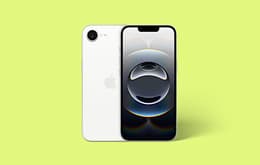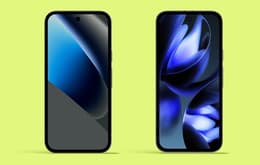
Google Pixel 7a • Unlocked vs iPhone 16e • Unlocked

Google Pixel 7a • Unlocked
Starting at

Refurbished price:$163.00

Versus $899.99 new

See options
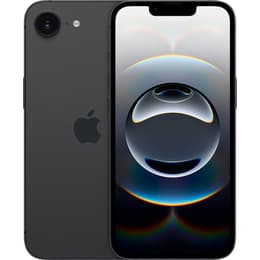
iPhone 16e • Unlocked
Starting at

Refurbished price:$361.00

Versus $599.00 new

See options

Ratings

The Google Pixel 7A, released in May 2023, and the hypothetical iPhone 16E, anticipated around 2026, represent distinct approaches to smartphone design and functionality. While the Pixel 7A operates on the Android ecosystem, the iPhone 16E would run on Apple's iOS, offering users different software experiences. Key differentiators between these two devices would likely include their core processing power, display technology, and camera systems, catering to varied user preferences.

Scores

Durability

When considering the practical lifespan of these devices, their release timelines and software support policies are significant factors.

  • Release Timeline: The Google Pixel 7A was released in May 2023, making it a mid-range device from a previous year. The iPhone 16E, as a hypothetical model, would be a newer device, likely released around 2026, giving it an inherent advantage in terms of initial age.
  • OS Support: Google typically provides three years of Android OS updates and five years of security updates for its Pixel A-series phones, including the Pixel 7A. Apple generally offers longer software support, with iPhones receiving iOS updates for five to seven years from their release. This would mean the iPhone 16E would likely receive software updates for a longer duration than the Pixel 7A.
  • Repairability: Both devices are designed with modern smartphone construction, which can present challenges for user-level repairs. The Pixel 7A has an IP67 rating for dust and water resistance, while the iPhone 16E, following Apple's recent models, would likely feature an IP68 rating, offering slightly enhanced protection against water and dust ingress.

Release Year

2023

2025

OS

Android

iOS

Foldable

No

No

Performance

The performance of a smartphone is largely determined by its internal components, impacting how smoothly applications run and how efficiently it handles demanding tasks.

  • Processor Capabilities: The Google Pixel 7A is powered by Google's Tensor G2 processor, which enables smooth daily operation, efficient multitasking, and advanced computational photography features. The hypothetical iPhone 16E is expected to feature Apple's A18 Bionic chip, which would offer robust performance for demanding applications, gaming, and future AI-driven features.
  • Multitasking and Storage: The Pixel 7A comes with 8GB of RAM and 128GB of UFS 3.1 storage, providing ample capacity for running multiple applications simultaneously and storing a significant amount of data. The iPhone 16E is also anticipated to include 8GB of RAM and offer storage options starting at 128GB, ensuring a responsive user experience and sufficient space for content.
  • Battery Behavior: The Pixel 7A is equipped with a 4385 mAh battery, designed to provide a full day of typical use. The iPhone 16E is expected to have a battery capacity of approximately 3279 mAh, similar to the iPhone 14, which generally provides sufficient power for a full day for most users.

Memory (GB)

8 GB

8 GB

Screen quality

The display is a primary interface for smartphone interaction, and differences in technology and specifications can significantly impact the visual experience.

  • Display Technology and Resolution: The Google Pixel 7A features a 6.1-inch OLED display with a 2400 x 1080 pixel resolution, offering vibrant colors and deep blacks. The iPhone 16E is expected to sport a 6.06-inch OLED display with a 2532 x 1170 pixel resolution, providing sharp visuals and good contrast.
  • Refresh Rate and Brightness: The Pixel 7A offers a 90Hz refresh rate, contributing to smoother scrolling and a more fluid visual experience. The iPhone 16E is anticipated to have a standard 60Hz refresh rate. In terms of brightness, the Pixel 7A's display supports HDR, while the iPhone 16E's OLED panel would likely offer high peak brightness for good outdoor visibility, similar to recent iPhone models.
  • Screen Design: The Pixel 7A has a traditional display design with a punch-hole cutout for the front camera. The iPhone 16E is expected to adopt an all-display design with a notch for Face ID and the front camera system, aligning with Apple's more recent design language.

Resolution

1080 x 2400

2532x1170

Screen type

OLED

Super Retina XDR

Audiovisual

Both devices offer capable camera systems, but their configurations and computational photography approaches differ.

  • Rear Camera System: The Google Pixel 7A features a dual-camera setup on the rear, including a 64MP main sensor with optical image stabilization (OIS) and a 13MP ultrawide lens. The iPhone 16E is expected to come with a single 48MP main rear camera, likely incorporating advanced computational photography features similar to the iPhone 15, which can produce detailed 24MP images by default.
  • Photography Features: The Pixel 7A leverages Google's Tensor G2 chip for advanced image processing, offering features like Magic Eraser and Photo Unblur. The iPhone 16E, with its anticipated A18 Bionic chip, would also excel in computational photography, providing features such as improved Portrait Mode and Smart HDR.
  • Video Recording and Front Camera: The Pixel 7A can record 4K video at 30 or 60 frames per second (fps) and has a 13MP ultrawide front camera capable of 4K video at 30fps. The iPhone 16E is expected to support 4K video recording at 60fps with its main camera and feature a 12MP front camera also capable of 4K video recording.

Main camera

64 megapixels

48MP

Front camera

13 megapixels

TrueDepth 12MP

Miscellaneous

Beyond core specifications, several practical elements contribute to the overall user experience and device utility.

  • Connectivity and Ports: The Google Pixel 7A supports Wi-Fi 6E, Bluetooth 5.3, and 5G connectivity, and features a USB-C 3.2 port for charging and data transfer. The iPhone 16E is expected to offer 5G and Wi-Fi 6 support, and notably, would feature a USB-C port, aligning with Apple's recent transition from Lightning. It would also support MagSafe wireless charging.
  • Biometrics and Design: The Pixel 7A includes both an under-display fingerprint sensor and face unlock for secure access. Its build materials include a plastic back and an aluminum frame, with Corning Gorilla Glass 3 protecting the display. The iPhone 16E would rely on Face ID for biometric authentication. Its design is anticipated to be similar to the iPhone 14, featuring a Ceramic Shield front for enhanced durability.
  • Dimensions and Handling: The Pixel 7A measures 152 mm in height, 72.9 mm in width, and 9 mm in depth, weighing 193.5 grams. The iPhone 16E is expected to have dimensions similar to the iPhone 14, which is 147.6 mm in height, 71.6 mm in width, and 7.8 mm in depth, with a weight of around 171 grams. The iPhone 16E might be slightly lighter at around 165 grams.

Weight

7 oz

167 oz

Screen size (inches)

6.1

6.1

Network

5G

5G

SIM card

Physical SIM + eSIM

eSIM

Carrier compatibility

Unlocked

Unlocked

The Google Pixel 7A and the hypothetical iPhone 16E cater to users with differing priorities within the smartphone market. Users often praise the Pixel 7A for its strong camera performance, particularly its computational photography capabilities, and its clean Android experience with timely updates. Some common feedback for the Pixel 7A includes its solid overall performance for its category and its distinctive design. Conversely, potential users of the iPhone 16E would likely appreciate its integration into the Apple ecosystem, the anticipated long-term software support, and the robust performance offered by Apple's A-series chip. User sentiment for Apple's budget-friendly iPhones often highlights their reliability and consistent user experience.

Users prioritizing a pure Android experience with Google's unique AI-driven camera features and a slightly higher refresh rate display may find the Pixel 7A well-suited to their needs. On the other hand, users who value the iOS ecosystem, potentially longer software longevity, and a strong, efficient processor for a consistent experience might lean toward the iPhone 16E. Both devices offer compelling features for their respective audiences. For those considering either device, exploring quality-assured refurbished options can provide an eco-friendly alternative to acquiring these technologies.
See all articles

Our recent comparisons