Galaxy S10E • Unlocked vs iPhone 14 Pro • Unlocked

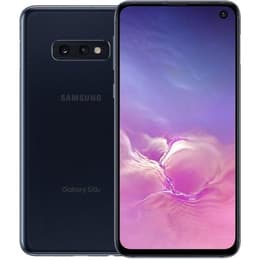
Galaxy S10E • Unlocked
Starting at

Refurbished price:$123.00

Versus $459.00 new

See options
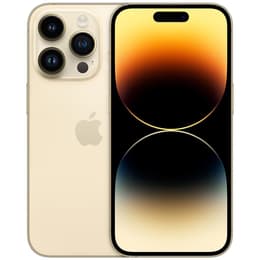
iPhone 14 Pro • Unlocked
Starting at

Refurbished price:$359.99

Versus $999.00 new

See options

Ratings

The Samsung Galaxy S10e, released in March 2019, and the Apple iPhone 14 Pro, launched in September 2022, represent different generations and ecosystems within the smartphone market. While the Galaxy S10e offered a compact Android experience with a focus on core features, the iPhone 14 Pro introduced Apple's latest advancements in camera technology, display innovation, and processing power. These devices operate on distinct software platforms, Android and iOS respectively, offering varied user interfaces and app ecosystems.

Scores

Durability

The practical lifespan of a smartphone is often influenced by its release timeline, software support, and physical durability. The Galaxy S10e, being an older model, has a different trajectory compared to the more recent iPhone 14 Pro.

  • Release Timeline: The Galaxy S10e was released in March 2019, making it several years older than the iPhone 14 Pro, which launched in September 2022. This age difference directly impacts their current and future software support.
  • Software Longevity: The Galaxy S10e received major Android operating system updates up to Android 12, with security updates concluding around 2023 or 2024. In contrast, the iPhone 14 Pro is expected to receive iOS updates for approximately 5-6 years from its release, potentially extending its software support until around 2028-2029.
  • Physical Durability: Both devices feature glass backs and metal frames. The iPhone 14 Pro incorporates Ceramic Shield on its front, designed for enhanced drop performance, and offers a higher IP68 rating for dust and water resistance compared to the S10e's IP68 rating.

Release Year

2019

2022

Last OS Compatibility

No

Yes

OS

Android

iOS

Foldable

No

No

Performance

Performance in smartphones is determined by the efficiency of their internal components, influencing how smoothly applications run and how effectively the device handles demanding tasks. Both the Galaxy S10e and iPhone 14 Pro deliver capable performance for their respective generations.

  • Everyday Responsiveness: The Galaxy S10e, with its processing capabilities from 2019, handles daily tasks like browsing, social media, and light gaming smoothly. The iPhone 14 Pro, featuring a more recent and powerful processor, offers a noticeably faster and more fluid experience across all applications, including intensive gaming and professional-grade video editing.
  • Multitasking Capabilities: The iPhone 14 Pro generally provides more headroom for running multiple applications simultaneously without slowdowns, thanks to its more advanced internal architecture and typically higher RAM. Users of the Galaxy S10e may experience occasional reloads of background apps when switching between many demanding tasks.
  • Battery Behavior: The Galaxy S10e has a 3100 mAh battery, which for many users provided a full day of moderate use when new. The iPhone 14 Pro, despite a similar battery capacity of 3200 mAh, often achieves longer usage times due to the efficiency of its hardware and software optimization, with users reporting it can last through a full day of heavy use.

Memory (GB)

6 GB

6 GB

Screen quality

The display is a primary interface for smartphone interaction, and both devices offer distinct visual experiences tailored to their design philosophies.

  • Display Technology and Clarity: The Galaxy S10e features a 5.8-inch Dynamic AMOLED display with a resolution of 2280 x 1080 pixels, providing vibrant colors and deep blacks. The iPhone 14 Pro comes with a 6.1-inch Super Retina XDR OLED display, offering a higher resolution of 2556 x 1179 pixels, resulting in sharper text and more detailed images.
  • Brightness and Outdoor Visibility: The iPhone 14 Pro's display can reach significantly higher peak brightness levels, especially outdoors and when viewing HDR content, making it more legible under direct sunlight. The Galaxy S10e's display also offers good brightness for typical indoor and outdoor use.
  • Refresh Rate and Smoothness: A key differentiator is the refresh rate; the Galaxy S10e has a standard 60Hz refresh rate. The iPhone 14 Pro features ProMotion technology, allowing for an adaptive refresh rate up to 120Hz, which contributes to smoother scrolling, more responsive animations, and an overall more fluid user experience.

Resolution

1080 x 2280

1179 x 2556

Screen type

Dynamic AMOLED

LTPO Super Retina XDR OLED

Audiovisual

Camera systems are a crucial aspect of modern smartphones, and both the Galaxy S10e and iPhone 14 Pro offer capable photography and videography tools, albeit with different strengths and capabilities.

  • Rear Camera System: The Galaxy S10e features a dual-camera setup with a 12-megapixel wide-angle lens and a 16-megapixel ultra-wide-angle lens, capable of capturing good detail and color in various conditions. The iPhone 14 Pro boasts a more advanced triple-camera system, including a 48-megapixel main sensor, a 12-megapixel ultra-wide, and a 12-megapixel telephoto lens, providing greater versatility and optical zoom capabilities.
  • Low-Light Performance and Detail: The iPhone 14 Pro generally excels in low-light photography, capturing more detail and better exposure due to its larger sensors and advanced image processing. While the Galaxy S10e can take good photos in adequate lighting, its low-light performance may show more noise and less detail compared to the iPhone 14 Pro.
  • Video Recording and Features: Both devices offer high-quality video recording. The iPhone 14 Pro introduces features like Cinematic Mode for shallow depth-of-field video and Action Mode for enhanced stabilization, providing more creative control and smoother footage. The Galaxy S10e also records stable video, but without some of the more advanced computational videography features found on the iPhone 14 Pro.

Main camera

12 megapixels

48 megapixels

Front camera

10 megapixels

12 megapixels

Miscellaneous

Beyond core performance and display, several other features contribute to the overall user experience and practical utility of these smartphones.

  • Connectivity and Ports: The Galaxy S10e supports 4G LTE, Wi-Fi 6, and Bluetooth 5.0, and notably includes a 3.5mm headphone jack and a USB-C port for charging and data transfer. The iPhone 14 Pro supports 5G connectivity, Wi-Fi 6, and Bluetooth 5.3, offering faster wireless speeds and more modern standards, but relies on a Lightning port for charging and lacks a headphone jack.
  • Biometric Security: The Galaxy S10e features a side-mounted fingerprint sensor for secure unlocking. The iPhone 14 Pro utilizes Face ID, an advanced facial recognition system, for secure authentication.
  • Design and Handling: The Galaxy S10e is known for its compact size and lighter weight (150g), making it comfortable for one-handed use. The iPhone 14 Pro is slightly larger and heavier (206g) with a flat-edged design, which some users find contributes to a more substantial feel. The iPhone 14 Pro also features the Dynamic Island, a dynamic area around the front camera that adapts to alerts and background activities.

Weight

5 oz

7 oz

Screen size (inches)

5.8

6.1

Network

LTE

5G

SIM card

Physical SIM

eSIM

Carrier compatibility

Unlocked

Unlocked

User feedback for the Galaxy S10e often highlights its compact form factor, vibrant display, and the inclusion of a headphone jack as significant advantages. Many appreciated its ability to deliver a flagship-like experience in a smaller package. Common criticisms sometimes pointed to its battery life, which for some heavy users required more frequent charging, and the eventual cessation of major software updates.

For the iPhone 14 Pro, users frequently praise its exceptional camera capabilities, the bright and smooth ProMotion display, and the powerful performance that ensures a responsive experience. The Dynamic Island feature also received attention for its innovative approach to notifications and multitasking. Some users noted that the battery life, while good, might not always match the longevity of previous Pro Max models, and the weight of the device was occasionally mentioned.

Users prioritizing a compact device with a traditional headphone jack and a familiar Android experience may find the Galaxy S10e well-suited to their needs. Its smaller size makes it easy to handle and pocket. Conversely, users seeking the latest in mobile photography, a highly fluid display, and long-term software support within the iOS ecosystem will likely lean towards the iPhone 14 Pro. Its advanced features cater to those who demand high performance and cutting-edge technology.

Both models offer reliable performance for their respective user bases. For those considering a more sustainable choice, exploring quality-assured refurbished options for either device can provide an eco-friendly alternative.

See all articles

Our recent comparisons