
General
Compare models
Differences at a glance
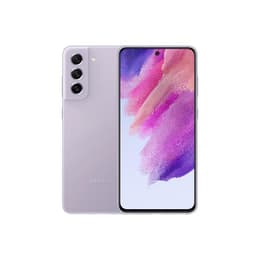
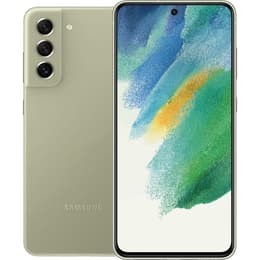
The Samsung Galaxy S21 FE 5G, released in January 2022, is a smartphone designed to offer a balance of features for a broad user base. While both the AT&T and Verizon versions are the same core device, their primary distinction lies in their optimization for each carrier's specific network infrastructure and services. This comparison will focus on the practical implications of choosing a device tailored for either the AT&T or Verizon network.
Color
Storage (GB)
Both the AT&T and Verizon variants of the Galaxy S21 FE 5G share an identical foundation regarding their expected lifespan and software support.
Release Year
Last OS Compatibility
OS
Foldable
The performance characteristics of the Galaxy S21 FE 5G are consistent across both the AT&T and Verizon models, as they utilize the same internal components.
The display experience on both the AT&T and Verizon versions of the Galaxy S21 FE 5G is identical, offering a high-quality visual interface.
Resolution
Screen type
The camera systems and audio capabilities are consistent between the AT&T and Verizon versions of the Galaxy S21 FE 5G, delivering a uniform multimedia experience.
Main camera
Front camera
While the core hardware is the same, the primary practical differences between the AT&T and Verizon Galaxy S21 FE 5G models emerge in their network-specific features and optimizations.
Weight
Screen size (inches)
Network
SIM card
Carrier compatibility
The Samsung Galaxy S21 FE 5G, whether optimized for AT&T or Verizon, is fundamentally the same device, offering a consistent experience in terms of display quality, camera capabilities, and overall performance. User feedback often highlights the vibrant display, capable camera system, and smooth operation as strong points. Some users have noted that battery life can be average, particularly with heavy use of the 120Hz refresh rate and 5G connectivity, and that the ultrawide camera's color profile can sometimes differ from the main sensor.
For users deciding between these two variants, the choice primarily depends on their existing carrier preference and the network performance in their most frequented locations. Those who prioritize broader 5G coverage across a wider geographical area may find the AT&T variant more suitable. Conversely, users in urban or specific areas with strong Verizon 5G Ultra Wideband coverage, and who prioritize the fastest possible speeds in those zones, might lean towards the Verizon variant. Both options represent a quality-assured refurbished choice, providing an eco-friendly alternative for acquiring this device. Ultimately, the best fit aligns with individual network needs and usage patterns.