Galaxy S21 Ultra 5G • Unlocked vs iPhone 16 Plus • Unlocked

Galaxy S21 Ultra 5G • Unlocked
Starting at

Refurbished price:$237.00

Versus $1,299.99 new

See options
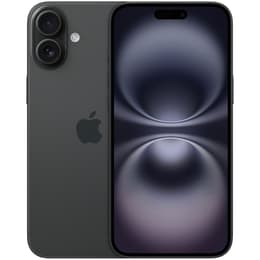
iPhone 16 Plus • Unlocked
Starting at

Refurbished price:$575.98

Versus $829.00 new

See options

Ratings

The Samsung Galaxy S21 Ultra 5G, released in January 2021, and the iPhone 16 Plus, launched in September 2024, represent different generations and operating systems within the premium smartphone market. While the Galaxy S21 Ultra 5G offers a highly versatile camera system and a high-refresh-rate display, the iPhone 16 Plus brings a newer processor, extended software support, and Apple's latest software innovations. These devices cater to users with distinct preferences for either the Android or iOS ecosystem.

Scores

Durability

The practical lifespan and software support differ significantly between these two devices due to their respective release timelines.

  • Release Timeline and Age: The Galaxy S21 Ultra 5G was released in January 2021, making it an older device compared to the iPhone 16 Plus, which launched in September 2024. [22, 28]
  • OS Support Duration: The Galaxy S21 Ultra 5G typically received major Android operating system updates for approximately four years from its release, with security updates extending for five years. [22, 24] The iPhone 16 Plus, being a more recent device, is expected to receive major iOS updates for a longer period, generally between five to seven years from its launch. [8]
  • Software Longevity: Users prioritizing the longest possible software support and access to the latest features will find the iPhone 16 Plus offers a more extended timeline. The Galaxy S21 Ultra 5G has likely reached the end of its major OS update cycle, though it may still receive security patches.
  • Repairability: Both devices feature premium glass and metal constructions, contributing to their durability. The iPhone 16 Plus incorporates a Ceramic Shield front cover and an aluminum design, while the Galaxy S21 Ultra 5G uses Gorilla Glass Victus on its front and back with an aluminum frame. [1, 14, 22] Both models carry an IP68 rating for dust and water resistance. [1, 22]

Release Year

2021

2024

Last OS Compatibility

Yes

Yes

Foldable

No

No

Performance

Performance capabilities are a key differentiator, influenced by the generational gap between the two devices.

  • Processor Capabilities: The iPhone 16 Plus is equipped with a significantly newer processor, which translates to faster app loading times, smoother multitasking, and more efficient handling of demanding applications and games. [3, 4, 8, 19] The Galaxy S21 Ultra 5G, while powerful at its release, features an older generation processor that still manages everyday tasks effectively but may show limitations with the most intensive modern applications compared to the iPhone 16 Plus. [23, 24]
  • System Responsiveness: The iPhone 16 Plus offers a highly responsive user experience, benefiting from its optimized software and advanced processing unit. The Galaxy S21 Ultra 5G provides a generally fluid experience, though its performance may not match the sustained peak capabilities of the newer iPhone model.
  • Storage and RAM: The Galaxy S21 Ultra 5G was available with up to 16GB of RAM and storage options up to 512GB. [23, 24, 36] The iPhone 16 Plus comes with 8GB of RAM and storage options up to 512GB. [3, 8, 14, 19] While the Galaxy S21 Ultra 5G offered higher RAM configurations, the iPhone's efficient memory management often allows for smooth multitasking with less physical RAM.
  • Battery Behavior: The Galaxy S21 Ultra 5G features a 5000 mAh battery, capable of lasting a full day for many users, though intensive use with its high-resolution, high-refresh-rate display can lead to faster drain. [20, 29, 32] The iPhone 16 Plus, with its 4674 mAh battery, is widely praised by users for its excellent battery longevity, often lasting a full day or more even with heavy usage. [8, 31, 33, 35, 42]

Memory (GB)

12 GB

8 GB

Screen quality

Both devices offer large, vibrant displays, but with notable differences in technology and refresh rates.

  • Display Technology and Clarity: The Galaxy S21 Ultra 5G features a 6.8-inch Dynamic AMOLED 2X display with a resolution of 3200 x 1440 pixels, resulting in a sharp 515 pixels per inch. [22, 23] The iPhone 16 Plus has a 6.7-inch Super Retina XDR OLED display with a resolution of 2796 x 1290 pixels, offering a clear 460 pixels per inch. [3, 8, 14] Both displays deliver deep blacks and vibrant colors characteristic of OLED technology.
  • Refresh Rate and Smoothness: A key distinction is the refresh rate. The Galaxy S21 Ultra 5G boasts an adaptive 120Hz refresh rate, which can scale down to 10Hz, providing a very smooth scrolling experience and efficient power usage. [22, 23] The iPhone 16 Plus, in contrast, features a standard 60Hz refresh rate. [3, 8, 27] Users who prioritize fluid motion in their daily interactions and gaming may notice the difference.
  • Brightness Levels: Both phones offer high brightness levels suitable for outdoor visibility. The Galaxy S21 Ultra 5G can reach a peak brightness of 1500 nits. [23] The iPhone 16 Plus offers a typical maximum brightness of 1000 nits, with peak HDR brightness of 1600 nits and peak outdoor brightness reaching 2000 nits. [3, 14, 31]
  • Viewing Experience: The Galaxy S21 Ultra 5G's slightly larger and higher-resolution display, combined with its adaptive refresh rate, offers an immersive viewing experience for media consumption. The iPhone 16 Plus provides a high-quality visual experience with excellent color accuracy and contrast, enhanced by the Dynamic Island for notifications and interactions. [1, 14]

Resolution

1440 x 3200

1290 x 2796

Screen type

Dynamic AMOLED 2X

Super Retina XDR OLED

Audiovisual

Both smartphones provide advanced camera systems, but they approach photography with different strengths and capabilities.

  • Rear Camera Systems: The Galaxy S21 Ultra 5G features a versatile quad-camera setup, including a 108MP main sensor, a 12MP ultrawide lens, a 10MP telephoto lens with 3x optical zoom, and a 10MP periscope telephoto lens with 10x optical zoom. [22, 23, 30] This allows for significant optical zoom capabilities, including a 100x Space Zoom (a combination of optical and digital zoom). [17, 32] The iPhone 16 Plus comes with a dual-camera system, featuring a 48MP Fusion Main camera that can achieve a 2x telephoto effect through cropping, and a 12MP ultrawide lens. [3, 4, 14, 34]
  • Photography Performance: The Galaxy S21 Ultra 5G excels in offering a wide range of focal lengths and impressive zoom capabilities, making it suitable for capturing distant subjects. Its 108MP sensor can capture highly detailed images. [22, 32] The iPhone 16 Plus focuses on computational photography, delivering consistent image quality across its lenses with strong low-light performance and advanced portrait modes. [13, 14, 34] It also introduces Spatial Capture for photos and videos. [3, 4]
  • Video Recording Quality: The Galaxy S21 Ultra 5G supports 8K video recording at 24fps and 4K at 30/60fps. [24] The iPhone 16 Plus offers 4K Dolby Vision video recording at various frame rates, along with Cinematic mode and Action mode for stabilized video. [14, 34] Both provide high-quality video capture, but the iPhone's Dolby Vision support offers enhanced dynamic range.
  • Front Camera and Audio: The Galaxy S21 Ultra 5G has a 40MP front camera. [22, 23] The iPhone 16 Plus features a 12MP front camera with autofocus and advanced portrait capabilities. [14, 34] Both devices include stereo speakers for an enhanced audio experience during media consumption. [24]

Main camera

108 megapixels

48 megapixels

Front camera

40 megapixels

12 megapixels

Miscellaneous

Beyond core features, several practical elements contribute to the overall user experience of each device.

  • Connectivity Options: Both phones support 5G connectivity for fast mobile data. The Galaxy S21 Ultra 5G includes Wi-Fi 6E, offering faster wireless speeds on compatible networks. [17, 23] The iPhone 16 Plus features Wi-Fi 7, representing a newer generation of wireless technology for potentially even faster and more stable connections. [8] Both also support Bluetooth for wireless accessories.
  • Port Types and Sensors: Both devices utilize a USB-C port for charging and data transfer. [2, 8, 24] Neither includes a traditional 3.5mm headphone jack. For security, the Galaxy S21 Ultra 5G uses an in-display ultrasonic fingerprint sensor. [32] The iPhone 16 Plus relies on Face ID for biometric authentication. [31]
  • Physical Design and Handling: The Galaxy S21 Ultra 5G measures 165.1 x 75.6 x 8.9 mm and weighs 227g (sub6 model). [17, 24] The iPhone 16 Plus is slightly more compact and lighter at 160.9 x 77.8 x 7.8 mm and 199g. [8, 14] The iPhone 16 Plus also features an Action Button, which is customizable for quick access to various functions, and a dedicated Camera Control button. [3, 4, 19] The Galaxy S21 Ultra 5G supports the S Pen, offering additional functionality for note-taking and drawing, though the stylus is sold separately. [22, 23]
  • Software Ecosystem Features: The iPhone 16 Plus integrates Apple Intelligence, offering advanced AI capabilities. [3, 4, 8, 19] The Galaxy S21 Ultra 5G, running Android, provides access to a wide range of Google services and customization options.

Weight

8 oz

7030 oz

Screen size (inches)

6.8

6.7

Network

5G

5G

SIM card

Physical SIM + eSIM

eSIM

Carrier compatibility

Unlocked

Unlocked

Connector

USB-C

USB-C (USB 2)

The Samsung Galaxy S21 Ultra 5G and the iPhone 16 Plus cater to different user priorities, largely influenced by their release dates and operating system ecosystems.

Users of the Galaxy S21 Ultra 5G often praise its highly versatile camera system, particularly its impressive optical zoom capabilities, which allow for detailed shots of distant subjects. [23, 32] The vibrant, high-resolution 120Hz display is also a frequent highlight, offering a smooth visual experience. [23, 32] Some users, however, have noted that the battery life can be significantly impacted when running the display at its highest resolution and refresh rate simultaneously. [29, 32] The device's age also means it has received fewer recent software updates compared to newer models.

The iPhone 16 Plus receives consistent praise for its exceptional battery life, with many users reporting that it comfortably lasts a full day or more, even with intensive use. [33, 35, 42] Its newer processor ensures smooth and responsive performance across all tasks, and the integration of Apple Intelligence offers advanced software capabilities. [3, 4, 19] While its camera system delivers high-quality images and innovative features like Spatial Capture, some users coming from devices with higher refresh rates might notice the 60Hz display. [3, 8, 27, 33]

Users prioritizing a highly versatile camera with extensive zoom capabilities and a high-refresh-rate display may find the Galaxy S21 Ultra 5G appealing, especially if they are comfortable with the Android ecosystem and its customization options. Conversely, users who value extended software longevity, top-tier processing power, consistently excellent battery life, and the integrated experience of iOS, including features like Apple Intelligence, will find the iPhone 16 Plus well-suited to their needs. Both devices offer robust performance and premium builds, and choosing a quality-assured refurbished option for either can be an eco-friendly alternative for consumers.

See all articles

Our recent comparisons