Compare models
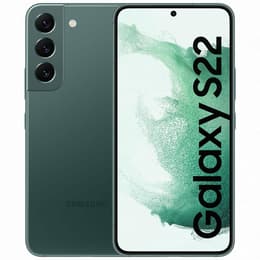
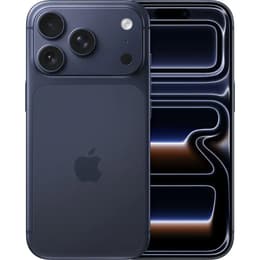
Galaxy S22 5G • Locked T-Mobile vs iPhone 17 Pro • Unlocked
- 1-year warranty
- Free standard shipping
- Free 30-day returns
Differences at a glance
The Samsung Galaxy S22 5G (2022) and the Apple iPhone 17 Pro (2025) are two distinct smartphones built for different eras and operating ecosystems. The Galaxy S22 5G operates on Android with a carrier-locked T-Mobile configuration, whereas the iPhone 17 Pro runs on iOS in a fully unlocked format. These devices vary significantly in release year, design philosophy, and internal hardware capabilities.
Available Models
Color
Storage
Scores
Durability
When evaluating hardware longevity and software support, both devices occupy very different stages in their product lifecycles, influencing their expected practical lifespan.
- Release Timeline and Software Support: The iPhone 17 Pro benefits from a much later release year, ensuring several additional years of active operating system updates compared to the Galaxy S22 5G.
- Repairability and Build Longevity: Both manufacturers provide structured repair networks, though users seeking long-term update availability will find the newer device's extended support window advantageous.
- Practical Lifespan: Choosing a quality-assured refurbished option provides a sustainable way to access reliable hardware while extending device utility.
Release Year
2022
2025
Last OS Compatibility
Yes
Yes
OS
Android
iOS
Foldable
No
No
Performance
Daily responsiveness and multitasking capabilities vary notably between these generations, driven by differences in internal processing hardware and memory configuration.
- Multitasking and App Loading: The iPhone 17 Pro handles demanding applications and intensive background tasks smoothly with its generous memory allocation, while the Galaxy S22 5G manages everyday multitasking adequately for standard workflows.
- Battery Behavior: The Galaxy S22 5G's compact battery capacity requires more frequent charging during heavy daily use, whereas the iPhone 17 Pro incorporates larger energy storage designed to last through extended usage cycles.
- Storage Management: Both models offer ample internal storage configurations, though neither supports physical card expansion.
Screen quality
Viewing experiences differ through display sizes, panel technologies, and outdoor visibility features engineered into each handset.
- Display Technology: Both models feature vibrant OLED panels with deep contrast levels and smooth high-refresh-rate capabilities for fluid scrolling.
- Brightness and Outdoors: Peak outdoor brightness levels on both screens allow for clear readability under direct sunlight, though newer panel engineering yields improvements in overall luminescence.
- Viewing Area: The iPhone 17 Pro offers a slightly larger viewing canvas within a refined frame compared to the more pocket-friendly dimensions of the Galaxy S22 5G.
Resolution
1080 x 2340
2622x1206
Screen type
Dynamic AMOLED 2X
Super Retina XDR
Audiovisual
Photography and media recording hardware reflect distinct generational advancements in sensor resolution and computational processing.
- Camera System Versatility: The iPhone 17 Pro utilizes a triple high-resolution lens array capable of extended optical zoom ranges, whereas the Galaxy S22 5G features a standard triple-lens configuration suited for everyday snapshots.
- Low-Light Performance: Advanced computational processing on the newer iPhone captures sharper details in dim environments, while the Galaxy S22 5G delivers dependable low-light imagery.
- Audio and Video: Both devices offer clear microphone pickup for calls, with the iPhone providing advanced professional video recording options for content creators.
Main camera
50 megapixels
48 megapixels
Front camera
10 megapixels
18 megapixels
Miscellaneous
Physical handling, connectivity standards, and daily utility elements shape how each phone integrates into routine use.
- Connectivity and Ports: The iPhone 17 Pro utilizes modern wireless standards and a universal USB-C port, matching the USB-C charging standard found on the Galaxy S22 5G.
- Security and Biometrics: Device security is handled via facial recognition on the iPhone and an in-display fingerprint sensor on the Samsung model.
- Build and Handling: The Galaxy S22 5G offers a lightweight, compact form factor that is easy to manage with one hand, while the iPhone 17 Pro presents a slightly heavier, robust metallic build.
Weight
7 oz
206 oz
Screen size (inches)
6.1
6.3
Network
5G
5G
SIM card
Dual Physical SIM + eSIM
eSIM
Carrier compatibility
T-Mobile
Unlocked
What the community thinks
Users comparing these models will find that each device serves distinct preferences. Users prioritizing a compact, lightweight form factor and an Android environment may lean toward the Galaxy S22 5G, while users seeking extended software longevity, larger battery capacity, and advanced camera hardware often prefer the iPhone 17 Pro. Selecting a sustainable, quality-assured refurbished option allows consumers to access these reliable technologies while supporting eco-friendly purchasing habits.