Galaxy S22 Ultra 5G • Locked T-Mobile vs iPhone 16 Plus • Unlocked

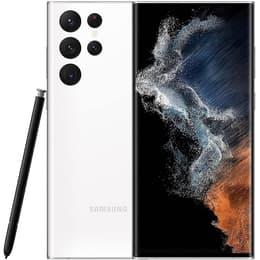
Galaxy S22 Ultra 5G • Locked T-Mobile
Starting at

Refurbished price:$332.99

Versus $1,073.99 new

See options
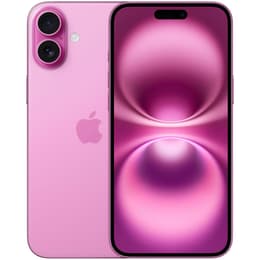
iPhone 16 Plus • Unlocked
Starting at

Refurbished price:$575.98

Versus $829.00 new

See options

Ratings

The Samsung Galaxy S22 Ultra, released in February 2022, and the Apple iPhone 16 Plus, launched in September 2024, represent distinct approaches to high-end smartphone design and functionality. While both devices offer premium experiences, they cater to different user preferences through their respective operating systems and unique feature sets. The Galaxy S22 Ultra integrates a versatile stylus and a comprehensive camera system, whereas the iPhone 16 Plus focuses on a streamlined user experience, advanced computational photography, and a powerful, efficient processor.

Scores

Durability

The longevity of a smartphone is influenced by its initial release date, software support, and physical resilience.

  • Release Timeline: The iPhone 16 Plus, having been released in September 2024, benefits from a more recent launch compared to the Galaxy S22 Ultra, which debuted in February 2022. This difference in release dates directly impacts their respective software support cycles.
  • Software Longevity: Apple typically provides major iOS updates for 6-7 years, meaning the iPhone 16 Plus can expect software support well into the future. Samsung generally offers 4-5 years of major Android updates and an additional year or two of security updates for its flagship devices, positioning the Galaxy S22 Ultra with a shorter remaining update window.
  • Physical Durability: Both devices feature robust construction. The Galaxy S22 Ultra is protected by Corning Gorilla Glass Victus+ on its front and back, along with an IP68 rating for dust and water resistance. The iPhone 16 Plus utilizes Apple's Ceramic Shield on the front and an aluminum frame, also boasting an IP68 rating. Durability tests for the iPhone 16 Plus indicate strong scratch resistance and structural integrity.

Release Year

2022

2024

Last OS Compatibility

Yes

Yes

Foldable

No

No

Performance

Performance in daily use is a critical factor, encompassing how smoothly applications run, how efficiently the device multitasks, and its overall responsiveness.

  • Processing Power: The iPhone 16 Plus is equipped with Apple's A18 chip, which delivers significant advancements in processing capabilities, including a 30% faster CPU and 40% faster GPU compared to the A16 Bionic. This allows for demanding applications and complex tasks to run with considerable fluidity. The Galaxy S22 Ultra, powered by the Snapdragon 8 Gen 1 or Exynos 2200 depending on the region, offered top-tier performance at its release, handling multiple applications simultaneously without noticeable slowdowns.
  • Multitasking and Responsiveness: With 8GB of RAM, the iPhone 16 Plus is well-suited for efficient multitasking and supporting advanced features like Apple Intelligence. The Galaxy S22 Ultra was available with 8GB or 12GB of RAM, providing ample capacity for managing numerous open applications and ensuring a responsive user experience.
  • Battery Behavior: The Galaxy S22 Ultra features a 5000 mAh battery, capable of lasting over 40 hours with moderate use and providing more than 6.5 hours of screen-on time in various activities. For heavy users, it can typically last a full day. The iPhone 16 Plus, with a 4674 mAh battery, is designed for a boost in battery life, partly due to the efficiency of its A18 chip.

Memory (GB)

8 GB

8 GB

Screen quality

The display is a primary interface for smartphone interaction, and both devices offer high-quality visual experiences with distinct characteristics.

  • Display Technology and Clarity: The Galaxy S22 Ultra features a 6.8-inch Dynamic AMOLED 2X display with a QHD+ resolution of 1440 x 3088 pixels, resulting in approximately 500 pixels per inch (ppi). This provides a very sharp and detailed image. The iPhone 16 Plus comes with a 6.7-inch Super Retina XDR OLED display, offering a resolution of 2796 x 1290 pixels, with a density of around 460 ppi. Both technologies deliver deep blacks and vibrant colors.
  • Brightness and Refresh Rate: The Galaxy S22 Ultra's display can reach a peak brightness of 1750 nits, ensuring good visibility even in bright outdoor conditions, and features an adaptive 120Hz refresh rate for smooth scrolling and animations. The iPhone 16 Plus offers a peak outdoor brightness of 2000 nits and a typical maximum brightness of 1000 nits, but maintains a standard 60Hz refresh rate.
  • Design and Viewing Experience: The Galaxy S22 Ultra has curved display edges, contributing to a distinct aesthetic and potentially a more comfortable grip for some users. The iPhone 16 Plus features thinner bezels, maximizing the screen-to-body ratio, and incorporates the Dynamic Island for notifications and activities.

Resolution

1440 x 3088

1290 x 2796

Screen type

Dynamic AMOLED 2X

Super Retina XDR OLED

Audiovisual

Both smartphones offer advanced camera systems designed to capture high-quality photos and videos, though with different configurations and software enhancements.

  • Rear Camera Systems: The Galaxy S22 Ultra boasts a versatile quad-camera setup, including a 108MP main sensor, a 12MP ultrawide lens with autofocus, and two 10MP telephoto lenses offering 3x and 10x optical zoom. This provides extensive zoom capabilities. The iPhone 16 Plus features a dual-camera system with a 48MP main camera that can achieve a 2x telephoto effect through cropping, and a 12MP ultrawide camera. Its cameras are vertically aligned, enabling Spatial Capture for 3D photos and videos.
  • Photography Features: The Galaxy S22 Ultra excels in low-light photography with improved AI processing and offers features like Expert Raw for advanced users. Its S Pen can also function as a remote camera shutter. The iPhone 16 Plus includes a new Camera Control button for quick access to camera functions and zoom, and benefits from enhanced computational photography for improved image quality.
  • Video Recording: The Galaxy S22 Ultra is capable of recording 8K video at 24 frames per second with its main camera, and 4K video at 60 frames per second across all its cameras. The iPhone 16 Plus also offers high-quality video recording, with improvements in image stabilization and overall video quality.

Main camera

108 megapixels

48 megapixels

Front camera

40 megapixels

12 megapixels

Miscellaneous

Beyond core performance and display, several practical elements contribute to the overall user experience and daily convenience of these devices.

  • Connectivity and Ports: Both devices support 5G connectivity. The Galaxy S22 Ultra includes Wi-Fi 6E and Bluetooth 5.2. The iPhone 16 Plus supports Wi-Fi 7 and Bluetooth 5.3. Both utilize a USB-C port for charging and data transfer.
  • Unique Input Methods: A significant differentiator for the Galaxy S22 Ultra is its integrated S Pen, offering functionalities like note-taking, drawing, Air Actions, and remote control. The iPhone 16 Plus introduces an Action Button, customizable for various shortcuts, and a new touch-sensitive Camera Control button for photography.
  • Biometric Security and Design: The Galaxy S22 Ultra features an ultrasonic in-display fingerprint sensor for secure unlocking. The iPhone 16 Plus relies on Face ID for biometric authentication. In terms of physical attributes, the Galaxy S22 Ultra is generally larger and heavier, while the iPhone 16 Plus, at 199g, offers a substantial but manageable form factor.

Weight

8 oz

7030 oz

Screen size (inches)

6.8

6.7

Network

5G

5G

SIM card

Physical SIM + eSIM

eSIM

Carrier compatibility

T-Mobile

Unlocked

Connector

USB-C

USB-C (USB 2)

The Samsung Galaxy S22 Ultra and the Apple iPhone 16 Plus cater to different user priorities, reflecting their respective ecosystems and design philosophies. The Galaxy S22 Ultra is frequently praised by users for its versatile camera system, particularly its extensive zoom capabilities, and the unique productivity features offered by its integrated S Pen. Users often highlight its vibrant, high-resolution display as a strong point for media consumption and creative tasks. Some criticisms have occasionally surfaced regarding its battery performance under very heavy usage, especially as the device ages.

The iPhone 16 Plus, on the other hand, receives commendation for its powerful and efficient A18 chip, ensuring smooth performance across all applications, and its robust durability. Its advanced computational photography and the new Spatial Capture feature are often noted as significant enhancements for capturing memories. Some users might express a desire for a higher refresh rate display, as it maintains a 60Hz refresh rate.

Users prioritizing a highly versatile camera with significant zoom, along with integrated stylus functionality for productivity and creative expression, may find the Galaxy S22 Ultra well-suited to their needs. Conversely, individuals who value a streamlined user experience, top-tier processing power for demanding tasks, robust durability, and advanced photographic features like Spatial Capture will likely lean toward the iPhone 16 Plus. Both devices offer premium experiences, and for those considering a quality-assured refurbished option, both models are available, providing an eco-friendly alternative to purchasing new.

See all articles

Our recent comparisons