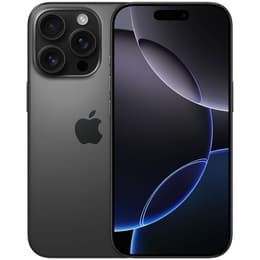

Galaxy S24 FE • Unlocked vs iPhone 16 Pro • Unlocked

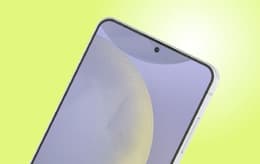
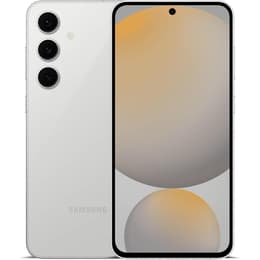
Galaxy S24 FE • Unlocked
Starting at

Refurbished price:$290.21

Versus $589.99 new

See options
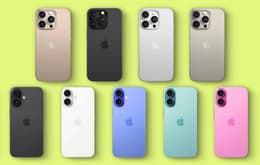
iPhone 16 Pro • Unlocked
Starting at

Refurbished price:$621.98

Versus $999.00 new

See options

Ratings

The Samsung Galaxy S24 FE and the iPhone 16 Pro represent distinct approaches to modern smartphone design and functionality. The Galaxy S24 FE, unveiled in September 2024, is Samsung's 'Fan Edition' offering, aiming to deliver a flagship-like experience at a more accessible point within the Android ecosystem. The iPhone 16 Pro, released in September 2024, is Apple's premium compact flagship, showcasing the latest advancements in iOS technology. While both devices offer high-end features, they cater to different user preferences through their operating systems, design philosophies, and specific hardware strengths.

Scores

Durability

When considering the long-term usability of these devices, several factors contribute to their expected practical lifespan, including software support, physical resilience, and repairability.

  • Software Support: The Samsung Galaxy S24 FE launched with Android 14 and is notable for Samsung's commitment to providing seven years of OS updates and security support, suggesting a long period of receiving new features and security patches. The iPhone 16 Pro, released with iOS 18, also benefits from Apple's reputation for extended software support, typically receiving major iOS updates for five to six years from its release. While the iPhone 16 Pro was officially discontinued in September 2025 following the release of its successor, it continues to receive software updates.
  • Physical Durability: The Galaxy S24 FE features Corning Gorilla Glass Victus+ on both its front and rear, offering enhanced protection against drops and scratches. The iPhone 16 Pro incorporates Apple's Ceramic Shield on the front, which is designed for increased toughness, and boasts an IP68 rating for dust and water resistance, allowing submersion up to 6 meters for 30 minutes.
  • Repairability: Both devices are designed with modern smartphone construction, which can present challenges for user-level repairs. However, official service networks and refurbished options provide avenues for extending their life. Opting for a quality-assured refurbished device, such as those available on Back Market, can be an eco-friendly alternative that ensures functionality and extends the product's lifecycle.

Release Year

2024

2024

Last OS Compatibility

Yes

Yes

Foldable

No

No

Performance

Both smartphones are equipped with powerful internal components designed to handle demanding applications and provide a responsive user experience, though they achieve this with different underlying architectures.

  • Processing Power: The iPhone 16 Pro is powered by Apple's A18 Pro chip, which features a 6-core CPU, 6-core GPU, and a 16-core Neural Engine. This processor delivers significant performance enhancements, particularly for AI-related tasks, and ensures smooth operation across demanding applications and games. The Galaxy S24 FE utilizes Samsung's Exynos 2400e chipset, an underclocked variant of the Exynos 2400. This chip provides strong performance for everyday tasks and gaming, with benchmarks indicating it performs closely to the standard Galaxy S24.
  • Multitasking and Responsiveness: Both devices come with 8GB of RAM, enabling efficient multitasking and quick app switching. The iPhone 16 Pro's optimized software and powerful chip contribute to a consistently fluid interface. The Galaxy S24 FE also offers a silky-smooth experience, with apps loading quickly and stable frame rates even during intensive gaming sessions.
  • Thermal Management: The iPhone 16 Pro includes an improved thermal design to maintain performance during extended use. The Galaxy S24 FE also features a slightly larger vapor chamber, contributing to better sustained performance and less heat buildup during prolonged gaming compared to some other devices.

Memory (GB)

8 GB

8 GB

Screen quality

The visual experience on both the Galaxy S24 FE and the iPhone 16 Pro is characterized by vibrant displays, though they differ in size, resolution, and specific technologies.

  • Display Technology and Size: The Galaxy S24 FE features a larger 6.7-inch Super AMOLED or Dynamic AMOLED 2X display with a 2340x1080 (FHD+) resolution. The iPhone 16 Pro has a slightly more compact 6.3-inch Super Retina XDR OLED display, offering a higher resolution of 2622x1206 pixels, resulting in a pixel density of 460 ppi.
  • Brightness and Clarity: The iPhone 16 Pro's display offers a typical brightness of 1000 nits and can reach a peak outdoor brightness of 2000 nits, ensuring excellent visibility in various lighting conditions. The Galaxy S24 FE provides a peak brightness of 1900 nits. Notably, the S24 FE incorporates a unique high-brightness mode that switches to DC dimming, which can be more comfortable for the eyes by reducing flicker.
  • Refresh Rate and Viewing Experience: Both phones feature a 120 Hz refresh rate for smooth scrolling and responsive interactions. The iPhone 16 Pro utilizes ProMotion technology for a dynamic refresh rate up to 120 Hz. The Galaxy S24 FE also offers a variable refresh rate, ranging from 60 Hz to 120 Hz. The iPhone 16 Pro also features thinner display bezels, maximizing screen real estate.

Resolution

1080 x 2340

1206 x 2622

Screen type

Dynamic AMOLED 2X

LTPO Super Retina XDR OLED

Audiovisual

Both devices offer advanced camera systems capable of capturing high-quality photos and videos, each with its own set of strengths and unique features.

  • Rear Camera Systems: The iPhone 16 Pro features a versatile triple-camera setup, including a 48MP wide lens, an upgraded 48MP ultrawide lens, and a 12MP telephoto lens with 5x optical zoom. This configuration allows for detailed images across various focal lengths. The Galaxy S24 FE also comes with a triple-camera array, comprising a 50MP main sensor, a 12MP ultrawide, and an 8MP telephoto lens with 3x optical zoom.
  • Photography and Video Capabilities: The iPhone 16 Pro excels in image quality, particularly with its 48MP wide and ultrawide sensors, offering impressive detail and flexibility for post-production, especially with RAW files. It also provides strong video performance, including high-frame-rate ProRes Log recording. The Galaxy S24 FE delivers decent camera performance for its segment, offering good results in everyday conditions and including features like Galaxy AI for image editing.
  • Additional Camera Features: A notable addition to the iPhone 16 Pro is the new Camera Control button, designed to quickly launch the camera app and capture photos or videos. Both phones include a front-facing camera for selfies and video calls; the iPhone 16 Pro has a 12MP sensor, while the Galaxy S24 FE features a 10MP sensor.

Main camera

50 megapixels

48 megapixels

Front camera

10 megapixels

12 megapixels

Miscellaneous

Beyond core performance and display, several practical features and design elements differentiate the Galaxy S24 FE and the iPhone 16 Pro, influencing daily usability and overall experience.

  • Connectivity and Ports: The iPhone 16 Pro supports Wi-Fi 7, Bluetooth 5.3, and features a USB-C port with 10Gbps transfer speeds, allowing for fast data transfer and charging. It also includes Ultra-wideband, Thread, NFC, and LEO satellite connectivity for emergency services. The Galaxy S24 FE also features a USB-C port and supports 5G, Wi-Fi, and Bluetooth.
  • Biometric Security and Design: For secure unlocking, the iPhone 16 Pro relies on Face ID. The Galaxy S24 FE incorporates an optical in-screen fingerprint sensor. In terms of build, the iPhone 16 Pro features a titanium frame, contributing to its premium feel and durability, and measures 149.6 x 71.5 x 8.25 mm, weighing 199g. The Galaxy S24 FE has an aluminum frame and front-and-back glass panels, measuring 6.38 by 3.04 by 0.31 inches (162.1 x 77.2 x 7.9 mm) and weighing 7.51 ounces (213g).
  • Unique Features: The iPhone 16 Pro introduces a dedicated Camera Control button for quick camera access and functions. Both devices integrate advanced AI capabilities, with the iPhone 16 Pro leveraging Apple Intelligence and the Galaxy S24 FE offering a full suite of Galaxy AI features.

Weight

7 oz

7030 oz

Screen size (inches)

6.7

6.3

Network

5G

5G

SIM card

Physical SIM

eSIM

Carrier compatibility

Unlocked

Unlocked

The Samsung Galaxy S24 FE and the iPhone 16 Pro cater to users with distinct priorities, offering compelling features within their respective ecosystems. User feedback for the Galaxy S24 FE often praises its strong performance for everyday tasks, excellent battery life, and the inclusion of Galaxy AI features, making it a well-rounded device for its segment. Some users note that while its camera system is capable, it may not match the absolute top-tier flagships.

The iPhone 16 Pro is frequently lauded for its powerful processing capabilities, significantly upgraded camera system with 5x optical zoom and a new Camera Control button, and its vibrant, high-resolution display with thinner bezels. While its battery life is improved over its predecessor, some users still find it requires daily charging, unlike the larger Pro Max model.

Users prioritizing raw processing power, advanced camera versatility, and a compact premium design within the Apple ecosystem will find the iPhone 16 Pro well-suited to their needs. Its robust software support and integration with Apple Intelligence offer a seamless experience for those invested in iOS. Conversely, users who value a larger display, a long-term software update commitment, and a balanced Android experience with integrated AI features may lean toward the Galaxy S24 FE. It presents a strong option for those seeking a feature-rich device without compromising on core functionality.

For consumers looking to make an informed and sustainable choice, both models are available as quality-assured refurbished options, providing an eco-friendly alternative to purchasing new devices.


See all articles

Our recent comparisons