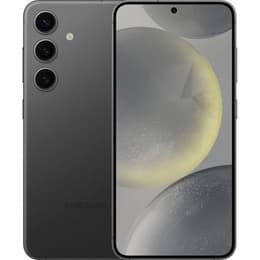
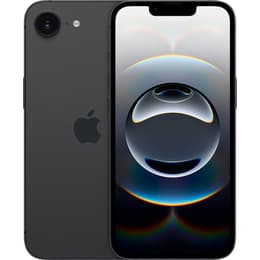

Galaxy S24 • Locked T-Mobile vs iPhone 16e • Unlocked

Galaxy S24 • Locked T-Mobile
Starting at

Refurbished price:$277.00

Versus $799.99 new

See options
iPhone 16e • Unlocked
Starting at

Refurbished price:$361.00

Versus $599.00 new

See options

Ratings

The Samsung Galaxy S24, released in January 2024, and the Apple iPhone 16E, introduced in February 2025, represent distinct approaches to the modern smartphone experience. While the Galaxy S24 operates on Android with Samsung's One UI, the iPhone 16E runs on Apple's iOS platform, offering users different ecosystems and interface philosophies. Key differentiators between these two devices include their display technologies, camera systems, and software support timelines, catering to varied user preferences.

Scores

Durability

When considering the long-term usability of a smartphone, software support and physical resilience are crucial factors. Both devices offer robust support, but with slightly different approaches.

  • Software Longevity: The Samsung Galaxy S24 is notable for its commitment to seven years of OS and security updates, extending its software lifespan significantly, potentially through Android 21. The iPhone 16E, following Apple's typical policy, is expected to receive major iOS updates for approximately five to seven years, with security patches often continuing even longer.
  • Physical Durability: Both the Galaxy S24 and the iPhone 16E feature an IP68 rating, indicating strong resistance to dust and water. The Galaxy S24 incorporates an Armor aluminum frame, while the iPhone 16E boasts a Ceramic Shield front cover, designed for enhanced screen protection.
  • Practical Lifespan: Users can expect a practical lifespan of several years from both devices, supported by their respective manufacturers' update policies and durable build materials. The extended software support for the Galaxy S24 provides a longer period of guaranteed feature and security updates.

Release Year

2024

2025

OS

Android

iOS

Foldable

No

No

Performance

Performance is a core aspect of any smartphone, influencing everything from app responsiveness to gaming capabilities. Both the Galaxy S24 and iPhone 16E are equipped to handle demanding tasks, though they achieve this through different hardware configurations.

  • System Responsiveness: The Galaxy S24 is powered by a current-generation processor, enabling smooth navigation, rapid app loading, and efficient multitasking. The iPhone 16E features Apple's A18 chip, which provides a responsive user experience and is optimized for machine learning tasks, contributing to fluid performance across applications.
  • Multitasking and Storage: The Galaxy S24 typically comes with 8GB of RAM, supporting effective multitasking. Storage options for the S24 range from 128GB to 512GB. The iPhone 16E also includes 8GB of RAM and offers similar storage configurations, from 128GB to 512GB, ensuring ample space for apps and media.
  • Battery Behavior: The Galaxy S24 houses a 4000mAh battery, generally providing about 1.5 days or 13-14 hours of typical use on a single charge. The iPhone 16E is rated for up to 26 hours of video playback and 90 hours of audio playback, suggesting strong endurance for media consumption. Both devices support fast charging, with the iPhone 16E capable of reaching 50% charge in 30 minutes with a compatible adapter.

Memory (GB)

8 GB

8 GB

Screen quality

The visual experience is paramount for daily smartphone interaction, and both devices offer displays designed for clarity and vibrant visuals, albeit with some distinctions in technology and refresh rates.

  • Display Technology and Clarity: The Galaxy S24 features a 6.2-inch Dynamic AMOLED 2X display, known for its deep blacks, vibrant colors, and high contrast. It offers an FHD+ resolution, providing sharp images and text. The iPhone 16E comes with a 6.1-inch Super Retina XDR OLED display, delivering excellent contrast and color accuracy. Its resolution of 2532x1170 pixels results in a clear visual experience.
  • Brightness and Outdoor Visibility: The Galaxy S24 boasts a peak brightness of 2600 nits, ensuring excellent visibility even in bright outdoor conditions. The iPhone 16E offers a typical maximum brightness of 800 nits, with a peak HDR brightness of 1200 nits, which is suitable for most viewing environments.
  • Refresh Rate and Smoothness: The Galaxy S24 features an adaptive refresh rate that can dynamically adjust from 1Hz to 120Hz, providing smooth scrolling and responsive animations while optimizing battery consumption. The iPhone 16E's display operates at a 60Hz refresh rate, which offers a consistent and smooth experience for everyday tasks.

Resolution

1080 x 2340

2532x1170

Screen type

Dynamic LTPO AMOLED 2X

Super Retina XDR

Audiovisual

Camera capabilities are a significant consideration for many users, and both the Galaxy S24 and iPhone 16E offer advanced systems for capturing photos and videos.

  • Rear Camera Systems: The Galaxy S24 is equipped with a versatile triple-camera setup, including a 50MP wide lens with optical image stabilization (OIS), a 12MP ultrawide lens, and a 10MP telephoto lens capable of 3x optical zoom. This configuration allows for a range of photographic styles, from expansive landscapes to detailed close-ups. The iPhone 16E features a 48MP Fusion Main camera with OIS, which can also enable a 12MP 2x telephoto-like option, providing flexibility for different shooting scenarios.
  • Photography Features: The Galaxy S24 benefits from Samsung's ProVisual Engine and AI features, such as Instant Slow-mo and Dual Recording, enhancing creative possibilities and image processing. The iPhone 16E utilizes Apple's Photonic Engine, Deep Fusion, and Smart HDR 5 for improved image quality, especially in challenging lighting, and includes Portrait mode and Night mode.
  • Video Recording Quality: Both devices are capable of high-quality video capture. The Galaxy S24 supports 8K video recording at up to 30 frames per second. The iPhone 16E records 4K Dolby Vision video at up to 60 frames per second, offering cinematic quality. Both also provide features like cinematic video stabilization.

Main camera

50 megapixels

48MP

Front camera

12 megapixels

TrueDepth 12MP

Miscellaneous

Beyond core performance and display, several practical elements contribute to the overall user experience, from connectivity to physical design.

  • Connectivity and Ports: Both the Galaxy S24 and iPhone 16E support 5G connectivity for fast mobile data. The S24 includes Wi-Fi 802.11 ax and Bluetooth v5.3, along with a USB Type-C port. The iPhone 16E also features Wi-Fi 6, Bluetooth 5.3, and has transitioned to a USB-C port, aligning with modern standards.
  • Biometric Security and Design: The Galaxy S24 utilizes an in-display ultrasonic fingerprint sensor for secure unlocking. The iPhone 16E relies on Face ID for biometric authentication, using its TrueDepth camera system. In terms of design, the Galaxy S24 measures 147.00 x 70.60 x 7.60mm and weighs 168g, offering a comfortable in-hand feel. The iPhone 16E is very similar in dimensions at 146.7 × 71.5 × 7.8 mm and weighs 167g.
  • Additional Features: The iPhone 16E introduces an Action button, which can be customized for quick access to various functions like the camera or flashlight, and includes visual intelligence features. The Galaxy S24 integrates advanced AI features, such as Live Translate and Chat Assist, designed to enhance communication and productivity.

Weight

6 oz

167 oz

Screen size (inches)

6.2

6.1

Network

5G

5G

SIM card

Physical SIM + eSIM

eSIM

Carrier compatibility

T-Mobile

Unlocked

Connector

USB-C

USB-C

The Samsung Galaxy S24 and Apple iPhone 16E each offer a compelling smartphone experience, tailored to different user priorities. Users often praise the Galaxy S24 for its vibrant, high-refresh-rate display and its extensive software update commitment, which provides long-term value. Its versatile camera system, enhanced by AI features, is frequently highlighted for its ability to capture diverse shots. Some users, however, might note that while its battery life is solid, it might not always outperform its larger siblings in the S24 lineup.

The iPhone 16E, on the other hand, is often lauded for its consistent performance, the intuitive iOS ecosystem, and its robust build quality, including the Ceramic Shield front. Its camera system, with the 48MP main sensor and advanced computational photography, receives positive feedback for reliable image quality. A common point of discussion for some users might be the 60Hz refresh rate, which, while smooth for everyday use, differs from the higher refresh rates found on some competing devices.

Users prioritizing a highly customizable Android experience with a long software support window and a dynamic, high-refresh-rate display may find the Samsung Galaxy S24 well-suited to their needs. Conversely, individuals who prefer the streamlined iOS ecosystem, strong privacy features, and a consistent performance profile will likely lean towards the iPhone 16E. Both devices represent excellent choices, and considering a quality-assured refurbished option for either model can be an eco-friendly alternative to purchasing new, allowing consumers to make informed and sustainable choices.

See all articles

Our recent comparisons