Compare models
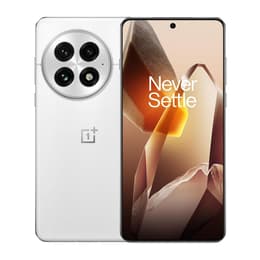
Galaxy S25 • Unlocked vs OnePlus 13 • Unlocked
- 1-year warranty
- Free standard shipping
- Free 30-day returns
Differences at a glance
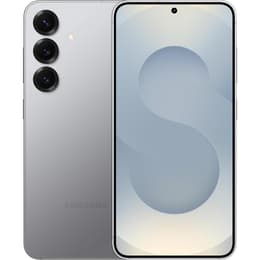
The Samsung Galaxy S25 (2025) and the OnePlus 13 (2025) are high-performance Android smartphones designed for users seeking advanced mobile technology. While both devices deliver powerful capabilities, they cater to different preferences through distinct physical designs, software ecosystems, and battery strategies. The Galaxy S25 runs on Samsung's customized interface built over Android, focusing on a compact form factor, whereas the OnePlus 13 features its own software skin and prioritizes a larger display footprint and high-capacity power storage.
Available Models
Color
Storage (GB)
Scores
Durability
Both smartphones provide robust build quality and long-term viability, though they differ slightly in update commitments and daily wear resilience.
- Software Support: Both devices are backed by multi-year operating system update commitments, ensuring they remain secure and up-to-date with current software features for years following their release.
- Repairability and Build: Each model utilizes sturdy glass and metal frames combined with high water and dust resistance ratings, while maintaining standard repair pathways supported by modern service networks.
- Expected Lifespan: Thanks to current-generation internal components and ample memory configurations, both handsets are equipped to maintain swift operational speeds over a multi-year ownership cycle.
Release Year
2025
2024
Last OS Compatibility
Yes
Yes
OS
Android
Android
Foldable
No
No
Performance
Handling demanding applications and everyday multitasking smoothly, these devices use advanced internal processing architectures to maintain system responsiveness.
- Multitasking and Speed: Generous random access memory configurations on both models allow seamless switching between heavy productivity apps, media streaming tools, and high-end mobile games without noticeable stutter.
- Battery Behavior: The OnePlus 13 features a larger physical battery capacity suited for extended heavy usage, whereas the Galaxy S25 utilizes a more compact power cell designed to easily navigate a standard daily routine under typical usage patterns.
- Storage Configurations: Both devices offer multiple internal storage tiers to accommodate large photo libraries, downloaded media files, and offline application data without expandable card slots.
Screen quality
Visual immersion varies notably between the two models due to differing physical dimensions and panel technologies.
- Display Technology: Both handsets employ advanced organic light-emitting diode panels that deliver deep black levels, high contrast ratios, and sharp text rendering for reading and media viewing.
- Brightness and Outdoors: High peak brightness capabilities on both screens ensure content remains legible under direct sunlight or bright outdoor lighting conditions.
- Refresh Rate and Size: The Galaxy S25 offers a compact 6.2-inch panel geared toward single-handed operation, while the OnePlus 13 provides a larger 6.82-inch canvas paired with a smooth adaptive refresh rate for fluid scrolling and gaming.
Resolution
1080x2340
1440 x 3168
Screen type
Dynamic LTPO AMOLED 2X
LTPO AMOLED
Audiovisual
Imaging capabilities on both smartphones cover a wide range of everyday photography and video recording scenarios.
- Camera Systems: Both devices feature multi-lens rear setups incorporating high-resolution main sensors alongside ultra-wide options for capturing expansive landscapes and group shots.
- Low-Light and Video: Advanced image processing helps preserve detail and manage exposure during night photography, while stabilizing features ensure steady video recording quality.
- Audio and Media Output: Built-in stereo speaker configurations deliver clear sound output for phone calls, video conferencing, and casual media consumption without external accessories.
Miscellaneous
Physical dimensions and connectivity options dictate how each device integrates into daily travel and accessory ecosystems.
- Handling and Portability: The Galaxy S25 stands out with its lightweight and narrow profile that fits easily into smaller pockets, while the OnePlus 13 has a larger, heavier footprint that accommodates its expansive screen.
- Connectivity Standards: Both phones support modern fifth-generation cellular networks, fast wireless standards, and Bluetooth protocols for reliable peripheral pairing.
- Biometric Security: Each device incorporates modern biometric authentication methods, utilizing secure in-screen fingerprint sensors for quick unlocking.
Weight
6 oz
8 oz
Screen size (inches)
6.2
6.82
Network
5G
5G
SIM card
Physical SIM + eSIM
Dual Physical SIM + eSIM
Carrier compatibility
Unlocked
Unlocked
Connector
USB-C
USB-C
What the community thinks
Community feedback indicates that users appreciate the Galaxy S25 for its pocket-friendly dimensions, bright display, and fluid software experience, though some note that its smaller battery requires more frequent charging during heavy travel days. Conversely, users frequently praise the OnePlus 13 for its massive battery longevity, rapid charging speeds, and immersive expansive screen, while pointing out that its larger physical size can feel cumbersome for single-handed use.
Users prioritizing a compact, easily portable device for daily travel will find the Galaxy S25 well-suited to their needs, while users who consume extensive media or require extended battery endurance between charges may prefer the OnePlus 13. Selecting a quality-assured refurbished option through Back Market offers an eco-friendly alternative for acquiring either device while reducing electronic waste. Ultimately, the choice depends on whether daily routines benefit more from a streamlined, pocketable form factor or a larger display paired with extended power capacity.