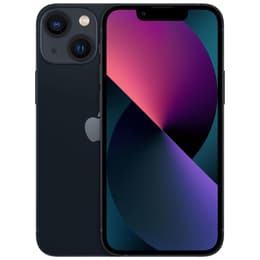

Galaxy S9 • Unlocked vs iPhone 13 mini • Unlocked

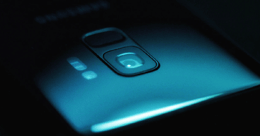
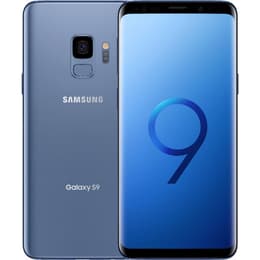
Galaxy S9 • Unlocked
Starting at

Refurbished price:$106.00

Versus $399.00 new

See options
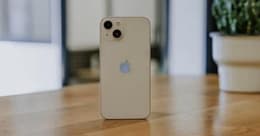
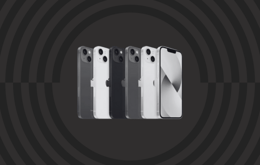
iPhone 13 mini • Unlocked
Starting at

Refurbished price:$219.00

Versus $699.00 new

See options

Ratings

The Samsung Galaxy S9, released in 2018, and the iPhone 13 Mini, launched in 2021, represent distinct approaches to smartphone design and functionality from different generations. The Galaxy S9, an Android device, was a flagship known for its curved display and versatile camera system. In contrast, the iPhone 13 Mini, running iOS, is a more recent compact flagship, emphasizing a powerful processor and advanced camera features within a smaller form factor. Their primary differentiators lie in their operating systems, release timelines, and overall design philosophies.

Scores

Durability

The longevity of these devices is significantly influenced by their release dates and software support cycles. The Galaxy S9, released in 2018, has concluded its official software support, meaning it no longer receives major Android updates or regular security patches. This can impact its long-term security and compatibility with newer applications.

  • Software Longevity: The iPhone 13 Mini, launched in 2021, benefits from Apple's extended software support, with several more years of iOS updates and security patches expected, contributing to a longer practical lifespan.
  • Physical Durability: Both devices feature IP68 water and dust resistance. The iPhone 13 Mini incorporates a Ceramic Shield front cover, designed for enhanced drop performance, while the Galaxy S9 features a glass front and back with an aluminum frame.
  • Repairability: As an older device, the Galaxy S9 may present more challenges in sourcing parts and professional repair services compared to the more recent iPhone 13 Mini.

Release Year

2018

2021

Last OS Compatibility

No

Yes

OS

Android

iOS

Foldable

No

No

Performance

Performance capabilities differ considerably due to the three-year gap in their release. The Galaxy S9, powered by its 2018-era processor, capably handles everyday tasks such as web browsing, social media, and light applications.

  • Everyday Responsiveness: While the Galaxy S9 provides a generally smooth experience for basic use, it may exhibit slower app loading times and less fluid multitasking when managing more demanding applications or a high number of open apps.
  • Demanding Tasks: The iPhone 13 Mini, equipped with a significantly newer and more powerful processor, delivers consistently swift and responsive performance. It excels at running graphically intensive games, complex applications, and seamless multitasking without noticeable slowdowns.
  • Future-Proofing: The iPhone 13 Mini's processing power offers substantial headroom for future software demands and ensures applications launch and operate efficiently, providing a more robust performance profile for users who frequently engage with intensive tasks.

Memory (GB)

4 GB

4 GB

Screen quality

Both smartphones offer high-quality displays, though with distinct characteristics that cater to different preferences and usage scenarios.

  • Display Technology: The Galaxy S9 features a 5.8-inch Super AMOLED display, recognized for its deep blacks and vibrant colors, providing an immersive visual experience. The iPhone 13 Mini sports a 5.4-inch Super Retina XDR OLED display, also delivering excellent contrast and color accuracy.
  • Resolution and Clarity: The Galaxy S9 boasts a higher resolution display, offering a very sharp image, though the practical difference in pixel density might not be immediately noticeable to all users in daily viewing. The iPhone 13 Mini's display provides clear and crisp visuals, optimized for its compact size.
  • Brightness and Viewing: The iPhone 13 Mini generally achieves higher peak brightness levels, which can enhance visibility in bright outdoor conditions. Both devices offer wide viewing angles, making them suitable for media consumption. The iPhone 13 Mini's smaller screen size is particularly well-suited for comfortable one-handed operation.

Resolution

1440 x 2960

1080 x 2340

Screen type

Super AMOLED

Super Retina XDR OLED

Audiovisual

The camera systems and audio capabilities reflect the technological advancements over their respective release periods.

  • Camera System: The Galaxy S9 features a single 12 MP rear camera with a variable aperture, allowing it to adjust to varying light conditions. The iPhone 13 Mini is equipped with a dual 12 MP camera system, including wide and ultrawide lenses, offering greater versatility for different photographic scenarios.
  • Photography Performance: The iPhone 13 Mini generally delivers more consistent image quality, particularly in challenging lighting, with improved detail retention and dynamic range. The Galaxy S9 can capture good photos in well-lit environments, but its low-light performance is less refined compared to the newer iPhone.
  • Video and Audio: The iPhone 13 Mini offers more advanced video recording features, such as Cinematic mode and enhanced stabilization. Both devices support 4K video recording, but the iPhone 13 Mini typically provides superior video quality. The Galaxy S9 includes a 3.5mm headphone jack, a feature absent on the iPhone 13 Mini, which relies on its Lightning port for wired audio or wireless solutions.

Main camera

12 megapixels

12 megapixels

Front camera

8 megapixels

12 megapixels

Miscellaneous

These devices present different approaches to connectivity, physical design, and user interaction elements.

  • Connectivity: The Galaxy S9 supports 4G LTE, Wi-Fi 802.11ac, and Bluetooth 5.0. The iPhone 13 Mini offers more modern connectivity, including 5G capabilities, Wi-Fi 6, and Bluetooth 5.0, providing faster data speeds and improved wireless performance.
  • Ports and Biometrics: The Galaxy S9 features a USB-C port for charging and data transfer, along with a 3.5mm headphone jack. It includes a rear-mounted fingerprint sensor and an iris scanner. The iPhone 13 Mini uses a Lightning port and relies exclusively on Face ID for biometric authentication.
  • Dimensions and Build: The iPhone 13 Mini is notably smaller and lighter, making it easier for one-handed use and pocketability. Both devices feature a premium glass and aluminum construction with IP68 water resistance. The Galaxy S9 has a slightly larger footprint and weight.

Weight

6 oz

5000 oz

Screen size (inches)

5.8

5.4

Network

LTE

5G

SIM card

Physical SIM

Physical SIM + eSIM

Carrier compatibility

Unlocked

Unlocked

Connector

USB-C + Jack 3.5mm

Lightning

User sentiment for the Galaxy S9 often highlights its once-innovative design, including the curved display and the inclusion of a 3.5mm headphone jack, which many users still appreciate. Its camera was praised for its low-light capabilities at the time of its release, and its overall build quality was considered premium. However, common criticisms include its battery draining quickly and the device heating up, especially for heavy users. The cessation of software updates and potential issues with camera overprocessing or motion blur were also noted.

The iPhone 13 Mini is frequently lauded for its compact size, making it comfortable for one-handed use and easy to carry. Users appreciate its powerful performance, excellent camera quality, and the extended software support provided by Apple. Some criticisms point to its battery degradation over time, which can be more noticeable due to its smaller capacity, and the potential for apps to refresh more frequently during heavy multitasking due to its RAM. The use of a Lightning port instead of the more universal USB-C is also a point of contention for some users.

Users prioritizing a compact device with long-term software support, robust performance for demanding applications, and advanced camera capabilities will find the iPhone 13 Mini well-suited to their needs. Conversely, individuals who value a larger screen, the flexibility of expandable storage, and the convenience of a 3.5mm headphone jack, and are comfortable with an older software ecosystem, might lean towards the Galaxy S9. Both devices, especially as quality-assured refurbished options, offer an eco-friendly alternative for different user preferences.


See all articles

Our recent comparisons