
Galaxy Tab S8 Ultra (14.6", 2022) vs iPad Air 4 (2020, A14 series)

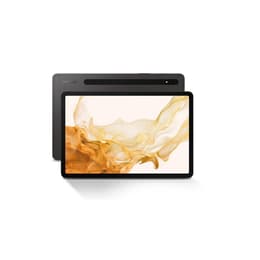
Galaxy Tab S8 Ultra (14.6", 2022)
Starting at

Refurbished price:$432.00

Versus $1,049.00 new

See options
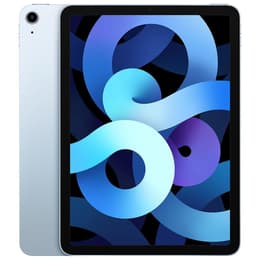
iPad Air 4 (2020, A14 series)
Starting at

Refurbished price:$225.95

Versus $899.99 new

See options

Ratings

The Samsung Galaxy Tab S8 Ultra, released in February 2022, and the Apple iPad Air (4th generation), launched in October 2020, represent distinct approaches to the tablet experience. While both are designed for productivity and entertainment, they differ significantly in screen size, display technology, and operating system. The Galaxy Tab S8 Ultra operates on Android, featuring a large Super AMOLED display, whereas the iPad Air runs on iPadOS and offers a more compact Liquid Retina IPS LCD screen.

Scores

Durability

When considering the long-term usability of a tablet, factors such as software support and physical durability are key. The release timeline and operating system update policies influence how long a device remains current and secure.

  • Release Timeline: The Galaxy Tab S8 Ultra was released in 2022, making it approximately two years newer than the iPad Air (2020). This difference in launch dates can influence the duration of future software support.
  • Software Longevity: Samsung typically provides four years of major Android OS updates and five years of security updates for the Galaxy Tab S8 Ultra. Apple generally offers a longer software support period for its iPads, often extending to five or six years from the release date, ensuring continued access to the latest iPadOS features and security patches.
  • Practical Lifespan: Both devices are built to last several years with proper care. User experiences suggest that the iPad Air (4th generation) maintains good performance over time. The iPad Air's casing uses 100% recycled aluminum.

Release Year

2022

2020

Last OS Compatibility

Yes

Yes

OS

Android

iPadOS

Performance

Performance is a critical aspect for tablets, influencing how smoothly applications run and how efficiently tasks are completed, from everyday browsing to demanding creative work.

  • Storage Options: The Galaxy Tab S8 Ultra offers internal storage configurations of 128GB, 256GB, or 512GB, with the added flexibility of expandable storage via a microSD card slot, supporting up to 1TB. The iPad Air (2020) is available with 64GB or 256GB of internal storage, without an option for expansion.
  • Battery Behavior: The Galaxy Tab S8 Ultra features an 11,200mAh battery, providing around 9 to 10 hours of web surfing or approximately 8 hours of video playback. The iPad Air (2020) has a 28.6 watt-hour battery, typically offering about 10 to 10.5 hours of web surfing or 10 hours of video playback. Some users have noted that the Tab S8 Ultra's battery life can be average, though it may improve after initial usage.
  • Processing Capabilities: The Galaxy Tab S8 Ultra is equipped with a current-generation Android processor, enabling it to handle demanding applications and multitasking smoothly. The iPad Air (2020) features a powerful chip that allows for complex image edits and smooth gaming experiences. In some benchmark tests, the iPad Air (2020) has shown higher performance scores compared to the Galaxy Tab S8 Ultra.

Memory (GB)

8 GB

4 GB

Screen quality

The display is a primary interface for tablets, and differences in technology, size, and resolution significantly impact the viewing and interaction experience.

  • Display Technology: The Galaxy Tab S8 Ultra features a 14.6-inch Super AMOLED display with a 120Hz refresh rate and HDR10+ support, offering deep blacks and vibrant colors. The iPad Air (2020) utilizes a 10.9-inch Liquid Retina IPS LCD display with a standard 60Hz refresh rate and True Tone technology, which adjusts the screen's white balance to match ambient light.
  • Resolution and Clarity: The Galaxy Tab S8 Ultra provides a resolution of 2960x1848 pixels, resulting in a clear and detailed image on its larger screen. The iPad Air (2020) has a resolution of 2360x1640 pixels, offering sharp visuals for its size.
  • Brightness and Viewing Experience: The iPad Air (2020) offers a maximum brightness of 500 nits, providing good visibility in various lighting conditions. The Galaxy Tab S8 Ultra typically reaches up to 420 nits. The Tab S8 Ultra's significantly larger screen provides an expansive canvas for immersive media, split-screen multitasking, and digital art, while the iPad Air's more compact display offers a portable and manageable viewing area.

Resolution

1848 x 2960

2360 x 1640

Screen type

Super AMOLED

Liquid Retina display

Pixel density

240ppp

264ppp

Audiovisual

Tablet cameras are increasingly used for video calls, document scanning, and casual photography, making their capabilities an important consideration.

  • Camera System Capabilities: The Galaxy Tab S8 Ultra features a dual rear camera setup with a 13MP wide lens and a 6MP ultrawide lens. For the front, it has dual 12MP wide and ultrawide cameras, which include auto-framing technology. The iPad Air (2020) has a single 12MP wide camera on the rear and a 7MP FaceTime HD front camera.
  • Photography and Video Performance: Both tablets are capable of recording video at up to 4K resolution at 60 frames per second. The Galaxy Tab S8 Ultra's dual front cameras are noted for high-quality video calls and selfies. The iPad Air's front camera is also considered more than adequate for video conferencing.
  • Audio Output: The Galaxy Tab S8 Ultra is equipped with quad speakers tuned by AKG, supporting Dolby Atmos, which deliver clear audio with good bass and treble. The iPad Air (2020) also features stereo speakers that provide good audio quality for media consumption. Both devices offer good microphone quality for calls and recording.

Miscellaneous

Beyond core features, several practical elements contribute to the overall user experience, including connectivity, physical design, and additional functionalities.

  • Connectivity Options: The Galaxy Tab S8 Ultra supports Wi-Fi 6E and Bluetooth 5.2, with optional 5G connectivity for faster mobile data. The iPad Air (2020) offers Wi-Fi 6 and Bluetooth 5.0, with optional 4G LTE for cellular models.
  • Port Types and Sensors: Both tablets feature a versatile USB-C port for charging and connecting accessories. The Galaxy Tab S8 Ultra includes a microSD card slot for expandable storage, a feature not present on the iPad Air. For security, the iPad Air (2020) integrates Touch ID into its power button, while the Galaxy Tab S8 Ultra features an in-display fingerprint sensor.
  • Dimensions and Handling: The Galaxy Tab S8 Ultra measures 326.4 x 208.6 x 5.5 mm and weighs 726g (Wi-Fi model). Despite its large size, it is noted for its thin profile. The iPad Air (2020) is more compact at 247.6 x 178.5 x 6.1 mm and weighs 458g (Wi-Fi model), offering greater portability. Both devices feature an aluminum build, with the Tab S8 Ultra incorporating an Armor Aluminum body and Gorilla Glass 5 on the front for enhanced durability.

Weight

25 oz

16 oz

Screen size (inches)

14.6

10.9

Network

Wi-Fi

Wi-Fi + 4G

Carrier compatibility

Without SIM Port

Unlocked

User feedback for the Galaxy Tab S8 Ultra often highlights its expansive and vibrant Super AMOLED display, the inclusion of the S Pen, and its powerful performance within the Android ecosystem, making it suitable for immersive media consumption and creative tasks. However, some users note its considerable size can impact portability, and battery life has been a point of discussion for some.

The iPad Air (2020) is frequently praised for its modern design, strong overall performance, reliable battery life, and the robust iPadOS software ecosystem, which provides a wide array of optimized applications. Common criticisms include its 64GB base storage, the absence of Face ID, and a display that, while clear, does not offer the higher refresh rate found in more premium models.

Users prioritizing a very large screen for extensive multitasking, digital art, or an immersive media experience, particularly those already invested in the Android ecosystem, may find the Galaxy Tab S8 Ultra well-suited to their needs. Conversely, individuals seeking a balanced, portable tablet for general productivity, creative endeavors, and a wide selection of applications within the Apple ecosystem might lean towards the iPad Air (2020).

For those considering either device, exploring quality-assured refurbished options can provide an eco-friendly alternative to new purchases.

See all articles

Our recent comparisons