
iPads
Compare models
Differences at a glance
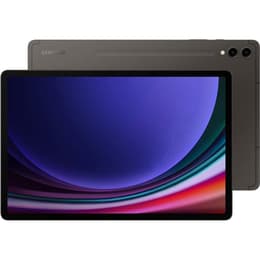
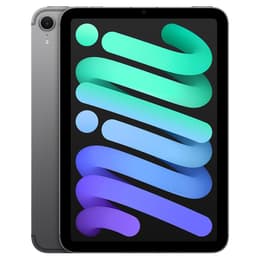
The Samsung Galaxy Tab S9 Plus, released in 2023, and the Apple iPad Mini, updated in 2024, offer distinct tablet experiences for users with varying needs. While the Galaxy Tab S9 Plus provides a larger display and the flexibility of the Android ecosystem, the iPad Mini emphasizes portability and the optimized iPadOS environment. Both devices feature modern processors and high-quality displays, but they cater to different preferences in terms of size, software integration, and accessory support.
Color
Storage
When considering the long-term usability of a tablet, factors like software support and physical resilience are important. The Galaxy Tab S9 Plus, launched in 2023, runs on Android, typically receiving several years of major operating system updates and security patches. The iPad Mini, released in October 2024, benefits from Apple's reputation for extended software support, often receiving iPadOS updates for five to six years or more from its release date. This generally means the iPad Mini will receive software updates for a longer period than the Galaxy Tab S9 Plus. Both devices are built with durable materials, with the Galaxy Tab S9 Plus featuring an IP68 rating for water and dust resistance, offering an extra layer of protection against environmental elements. The iPad Mini maintains a robust design with a 100% recycled aluminum enclosure, consistent with Apple's build quality. [4, 15, 19]
Release Year
Last OS Compatibility
OS
The performance of these tablets is central to their user experience, influencing everything from app responsiveness to demanding tasks like gaming and creative work. The Galaxy Tab S9 Plus is equipped with a powerful processor designed for high-end Android devices, ensuring smooth multitasking and efficient handling of graphics-intensive applications. The iPad Mini (2024) features a current-generation Apple processor, which provides substantial power for its compact size, enabling fluid navigation and support for advanced features like Apple Intelligence. [1, 2, 3, 4, 5, 7, 8, 12, 13, 18, 19, 20, 31, 32]
The display is a primary interaction point for any tablet, and both the Galaxy Tab S9 Plus and the iPad Mini offer high-quality viewing experiences, though with different technologies and sizes. The Galaxy Tab S9 Plus features a larger 12.4-inch AMOLED display, known for its deep blacks, high contrast, and vibrant colors, along with a smooth 120Hz refresh rate for fluid scrolling and animations. The iPad Mini (2024) sports an 8.3-inch Liquid Retina display, which is an LED LCD panel offering sharp resolution, P3 wide color support, and True Tone technology for adaptive white balance. [1, 2, 7, 11, 17, 18, 19, 31, 32]
Resolution
Screen type
Pixel density
While tablets are not typically primary photography devices, their camera systems are valuable for video calls, document scanning, and casual photography. Both the Galaxy Tab S9 Plus and the iPad Mini (2024) are equipped with capable cameras for these everyday tasks. The Galaxy Tab S9 Plus features a dual-camera setup on the rear, including a main and an ultrawide lens, along with a high-resolution ultrawide front camera. The iPad Mini (2024) includes a 12MP Wide rear camera and a 12MP Ultra-Wide front camera with Center Stage, which keeps the user in frame during video calls. [1, 2, 3, 4, 8, 19, 24, 31, 32]
Beyond core performance and display, several practical features differentiate these two tablets, impacting their overall utility and user convenience. Both devices utilize USB-C for charging and data transfer, offering modern connectivity. The Galaxy Tab S9 Plus includes the S Pen in the box, providing a ready-to-use stylus experience. The iPad Mini (2024) supports the Apple Pencil Pro and Apple Pencil (USB-C), though these are typically sold separately. [3, 4, 5, 7, 8, 16, 18, 19, 31, 32]
Weight
Screen size (inches)
Network
Carrier compatibility
The Galaxy Tab S9 Plus and the iPad Mini (2024) cater to different user priorities, each excelling in its respective niche. Users often praise the Galaxy Tab S9 Plus for its expansive AMOLED display, which provides an immersive viewing experience for media consumption and multitasking. Its included S Pen is frequently highlighted as a significant advantage for productivity and creative tasks. Some users, however, note that the Android tablet ecosystem, while versatile, may not always offer the same level of app optimization as iPadOS for certain professional applications. [4, 6, 11, 12, 22]
The iPad Mini (2024) receives acclaim for its exceptional portability and powerful performance within a compact design, making it a favorite for on-the-go use, reading, and gaming. Its integration with the Apple ecosystem and the optimized iPadOS are often cited as strong points, along with the improved "jelly scrolling" fix. Some users express a desire for a higher refresh rate display, noting that the 60Hz panel, while clear, might not feel as fluid as some competitors. [1, 2, 3, 7, 17, 20, 23, 24, 26]
Users prioritizing a large, vibrant display for entertainment and extensive multitasking, especially with an included stylus, may find the Galaxy Tab S9 Plus better suited to their needs. Conversely, those who value extreme portability, a highly optimized software experience, and robust performance in a smaller form factor will likely lean towards the iPad Mini. Both devices represent quality choices in the tablet market, and considering a quality-assured refurbished option for either can be a sustainable choice for consumers.