
Galaxy Z Flip6 • Unlocked vs iPhone 16 Plus • Unlocked

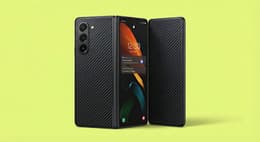
Galaxy Z Flip6 • Unlocked
Starting at

Refurbished price:$339.99

Versus $1,099.00 new

See options
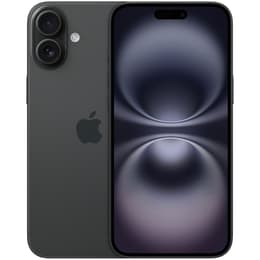
iPhone 16 Plus • Unlocked
Starting at

Refurbished price:$575.98

Versus $829.00 new

See options

Ratings

The Samsung Galaxy Z Flip6, released in July 2024, and the Apple iPhone 16 Plus, launched in September 2024, represent distinct approaches to modern smartphone design. While the Galaxy Z Flip6 offers a unique foldable form factor running on Android, the iPhone 16 Plus provides a traditional, larger slab experience powered by iOS. These devices cater to different user preferences, primarily differing in their physical design and operating system ecosystems.

Scores

Durability

Both the Galaxy Z Flip6 and the iPhone 16 Plus were released in 2024, making them current-generation devices with several years of expected software support ahead.

  • Software Longevity: The Galaxy Z Flip6 is notable for its commitment to seven years of Android OS upgrades and security updates, extending its software support until 2031. The iPhone 16 Plus, typical of Apple devices, is expected to receive major iOS updates for at least five to six years from its release.
  • Physical Durability: The Galaxy Z Flip6 features an improved hinge design and a more impact-resistant main display, along with an IP48 rating for water and dust resistance. However, some users have reported concerns regarding the long-term durability of the inner screen, noting potential scratches from regular use and occasional hinge sounds over time. The iPhone 16 Plus incorporates an enhanced Ceramic Shield on its front display, which Apple states is tougher than previous generations, and carries an IP68 rating for dust and water resistance. While Ceramic Shield offers significant protection, drop tests indicate that severe impacts can still result in damage.
  • Repairability: While specific repairability scores are not readily available for both models, the foldable design of the Z Flip6 generally implies a more complex repair process compared to traditional slab phones like the iPhone 16 Plus.

Release Year

2024

2024

Last OS Compatibility

Yes

Yes

Foldable

Yes

No

Performance

Both devices are equipped with powerful internal components designed to handle demanding applications and multitasking with ease, though they differ in their underlying architecture and available configurations.

  • Processing Power: The Galaxy Z Flip6 is powered by a current-generation Snapdragon processor, enabling it to manage intensive applications and provide smooth multitasking performance. The iPhone 16 Plus features Apple's A18 chip, which delivers robust performance across various tasks, from everyday usage to graphically intensive gaming.
  • Memory and Storage: The Galaxy Z Flip6 comes with 12 GB of RAM and offers storage options of 256GB or 512GB. The iPhone 16 Plus includes 8 GB of RAM and is available with 128GB, 256GB, or 512GB of internal storage.
  • Battery Performance: The Galaxy Z Flip6 is equipped with a 4000 mAh battery, and user reports suggest it can comfortably last a full day with moderate usage, marking an improvement over its predecessors. The iPhone 16 Plus features a larger 4674 mAh battery, which contributes to its exceptional battery life, with many users reporting it can last well into a second day, and sometimes even three days with lighter use.

Memory (GB)

12 GB

8 GB

Screen quality

The display experience on these two smartphones is a primary differentiator, owing to the Galaxy Z Flip6's unique foldable design and the iPhone 16 Plus's large, traditional screen.

  • Display Technology and Size: The Galaxy Z Flip6 features a 6.7-inch Dynamic AMOLED 2x main display that folds, alongside a 3.4-inch Super AMOLED cover screen. The iPhone 16 Plus offers a single 6.7-inch Super Retina XDR OLED display.
  • Resolution and Clarity: The Z Flip6's main screen has a resolution of 1080x2640 pixels, while its cover screen is 720x748 pixels. The iPhone 16 Plus provides a resolution of 2796x1290 pixels, resulting in sharp and clear visuals.
  • Brightness and Refresh Rate: The Galaxy Z Flip6's main display boasts a peak brightness of 2,600 nits and a 120Hz refresh rate for smooth scrolling and animations. Its cover screen operates at a 60Hz refresh rate. The iPhone 16 Plus features an OLED display with good brightness, though its refresh rate is typically 60Hz, which some users find acceptable for everyday use.

Resolution

1080 x 2640

1290 x 2796

Screen type

Foldable Dynamic LTPO AMOLED 2X

Super Retina XDR OLED

Audiovisual

Both devices offer capable camera systems, but their configurations and performance characteristics cater to different photographic priorities and user experiences.

  • Rear Camera Systems: The Galaxy Z Flip6 is equipped with a dual-camera setup, featuring a 50MP main sensor and a 12MP ultrawide lens. The iPhone 16 Plus also has a dual-camera system, comprising a 48MP Fusion main camera and a 12MP ultrawide lens that also supports macro photography.
  • Photography Performance: In well-lit conditions, the Z Flip6's main camera captures detailed photos with good dynamic range. However, its low-light performance can sometimes exhibit noise, and the front camera may struggle in dim environments. The iPhone 16 Plus generally produces sharp, noise-free, and detailed images with natural colors across various lighting conditions. Its selfie camera is also noted for strong performance.
  • Video Capabilities: The Galaxy Z Flip6 is capable of recording sharp 4K videos at up to 60 frames per second, with good stabilization, particularly in bright settings. The iPhone 16 Plus offers a solid video recording experience, delivering good dynamic range and natural color reproduction. A unique feature of the Z Flip6 is the ability to use its main camera for high-quality selfies, utilizing the cover screen as a viewfinder.

Main camera

50 megapixels

48 megapixels

Front camera

10 megapixels

12 megapixels

Miscellaneous

Beyond their core functionalities, several practical elements contribute to the overall user experience and differentiate these two smartphones.

  • Connectivity and Ports: The Galaxy Z Flip6 supports 5G cellular networks and Wi-Fi 6 for wireless connectivity. The iPhone 16 Plus also supports 5G and features the newer Wi-Fi 7 standard. Both devices utilize a USB-C port for charging and data transfer.
  • Biometric Security and Controls: The Galaxy Z Flip6 incorporates a side-mounted fingerprint sensor for secure unlocking. The iPhone 16 Plus relies on Face ID for biometric authentication and includes an Action Button, which can be customized for quick access to various functions.
  • Design and Handling: The Galaxy Z Flip6's foldable design allows it to be compact when closed, making it highly portable and easy to fit into smaller pockets. It weighs approximately 187 grams. The iPhone 16 Plus is a larger, traditional smartphone, weighing around 199 grams, and its dimensions may require two-handed operation for some users. The Z Flip6's ability to stand partially folded offers unique use cases, such as hands-free viewing or photography.

Weight

7 oz

7030 oz

Screen size (inches)

6.7

6.7

Network

5G

5G

SIM card

Physical SIM + eSIM

eSIM

Carrier compatibility

Unlocked

Unlocked

Connector

USB-C

USB-C (USB 2)

The Samsung Galaxy Z Flip6 and iPhone 16 Plus cater to distinct user preferences, each excelling in different areas. The Galaxy Z Flip6 is frequently praised for its innovative foldable design, offering enhanced portability and unique usage modes, such as hands-free photography using its cover screen. Users also appreciate its improved battery life compared to previous Flip models and Samsung's commitment to long-term software support. However, common criticisms include concerns about the long-term durability of the inner screen and hinge, as well as its camera performance not always matching that of traditional flagship phones in challenging conditions.

Conversely, the iPhone 16 Plus receives widespread acclaim for its exceptional battery life, often lasting well beyond a single day of heavy use. Its robust performance, reliable camera system, and Apple's consistent software support are also highly valued by users. Some users, however, note the 60Hz refresh rate of its display as a potential drawback compared to devices with higher refresh rates, and its larger size may not appeal to those preferring a more compact device.

Users prioritizing a compact, unique form factor with the flexibility of a foldable screen and extensive Android customization may find the Galaxy Z Flip6 well-suited to their needs. Those who value a large, consistent display, industry-leading battery longevity, and the streamlined iOS ecosystem will likely lean towards the iPhone 16 Plus. Both devices offer a quality-assured refurbished option, providing an eco-friendly alternative for consumers.

See all articles

Our recent comparisons