Compare models
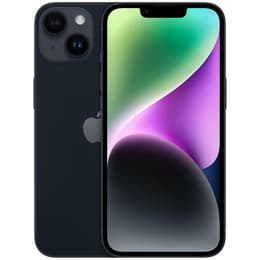
Galaxy Z Flip7 • Unlocked vs iPhone 14 • Locked T-Mobile
- 1-year warranty
- Free standard shipping
- Free 30-day returns
Differences at a glance
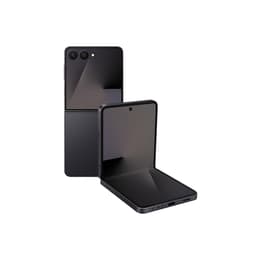
The Samsung Galaxy Z Flip7 (2025) and the Apple iPhone 14 (2022) represent distinct approaches to modern mobile technology, contrasting a contemporary foldable design with a traditional smartphone form factor. Operating on Android and iOS respectively, these two devices serve users looking for high-end functionality paired with different hardware layouts. While both smartphones handle daily communication and entertainment smoothly, their physical construction and software ecosystems offer unique experiences.
Available Models
Color
Storage (GB)
Scores
Durability
When examining longevity and durability, both smartphones feature robust build quality designed to withstand years of regular use, though their mechanical designs differ significantly.
- Software longevity and updates: Both devices receive multi-year manufacturer support schedules, ensuring access to security patches and system updates that keep software current.
- Hardware resilience: The iPhone 14 utilizes a fixed glass-and-aluminum construction with high-tier water resistance, whereas the Galaxy Z Flip7 features a folding display mechanism protected by advanced hinge engineering and specialized screen treatments.
- Repairability and practical lifespan: Traditional slab phones generally present straightforward component replacement paths, while folding displays require specialized handling during maintenance procedures.
Release Year
2025
2022
Last OS Compatibility
Yes
Yes
OS
Android
iOS
Foldable
Yes
No
Performance
Performance across both devices handles demanding applications, daily multitasking, and mobile gaming efficiently, supported by modern hardware architectures and optimized operating systems.
- Storage and multitasking: Both handsets offer varied internal storage configurations paired with sufficient memory capacity to keep background apps active without noticeable slowdowns.
- Everyday execution: Web browsing, social media feeds, and navigation apps launch instantly and run with high system responsiveness across both platforms.
- Battery behavior: Typical usage patterns generally achieve a full day of mixed operation, though heavy media streaming or extended gaming sessions will require a recharge before evening on both models.
Screen quality
Display characteristics define much of the visual experience on these devices, providing sharp details, high contrast, and adequate visibility under various lighting conditions.
- Display technology: Both models utilize advanced organic light-emitting diode panels that deliver deep black levels and vivid color reproduction, though the Galaxy Z Flip7 adds a secondary outer screen for quick notifications while closed.
- Brightness and outdoor clarity: High peak brightness levels on both screens allow for comfortable reading and media consumption under direct sunlight.
- Refresh rate and fluidity: The Galaxy Z Flip7 features a higher refresh rate panel that provides smoother scrolling animations compared to the standard refresh rate found on the iPhone 14 display.
Resolution
1080 x 2520
1170 x 2532
Screen type
Foldable Dynamic LTPO AMOLED 2X
Super Retina XDR OLED
Audiovisual
Imaging capabilities on both smartphones accommodate everyday photography, video capture, and audio recording needs with dependable results across diverse environments.
- Camera systems: Dual-lens rear setups on both devices capture sharp primary images and wide-angle perspectives, backed by computational processing that enhances low-light clarity and color accuracy.
- Video and audio performance: Steady video stabilization features and clear microphone arrays make both handsets well-suited for recording high-definition clips and conducting clear voice calls.
- Media consumption: Stereo speaker configurations deliver balanced audio output for music playback, video streaming, and hands-free communication.
Miscellaneous
Practical daily usability relies on physical dimensions, connectivity standards, and biometric security features built into each device's chassis.
- Connectivity and ports: Both models support current 5G cellular networks, high-speed Wi-Fi standards, and Bluetooth protocols, utilizing proprietary or universal connector ports for charging and data transfer.
- Physical handling: The Galaxy Z Flip7 folds into a compact square shape that fits easily into small pockets, while the iPhone 14 maintains a traditional thin profile with a lightweight rectangular footprint.
- Biometric security: Secure facial recognition or integrated fingerprint sensors provide quick and reliable device unlocking depending on the chosen model.
Weight
3 oz
6 oz
Screen size (inches)
6.9
6.1
Network
5G
5G
SIM card
Physical SIM + eSIM
eSIM
Carrier compatibility
Unlocked
T-Mobile
Connector
USB-C
Lightning
What the community thinks
User feedback from public forums highlights strong appreciation for the Galaxy Z Flip7's compact folding footprint and innovative dual-screen layout, alongside frequent praise for the iPhone 14's dependable software stability and intuitive ecosystem integration. Common discussions often touch upon the folding crease on the Samsung device and the conventional screen size limitations on the Apple handset.
Users prioritizing pocket-friendly portability and flexible viewing angles may prefer the Galaxy Z Flip7, while those seeking a straightforward, reliable traditional smartphone experience often lean toward the iPhone 14. Choosing a quality-assured refurbished option through platforms like Back Market provides an eco-friendly alternative for acquiring either device while reducing electronic waste. Ultimately, the right choice depends on whether a foldable display or a standard smartphone layout better fits daily habits.