
Compare models
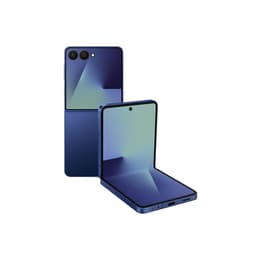
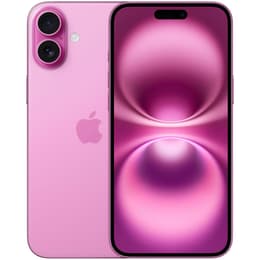
Galaxy Z Flip7 • Unlocked vs iPhone 16 Plus • Unlocked
- 1-year warranty
- Free standard shipping
- Free 30-day returns
Differences at a glance
The Samsung Galaxy Z Flip7 (2025) and the Apple iPhone 16 Plus (2024) represent two distinct approaches to modern mobile design and functionality. While the Galaxy Z Flip7 offers a compact foldable form factor running on Android, the iPhone 16 Plus provides a traditional large-screen format powered by iOS.
Choosing between these two models involves weighing structural versatility against traditional slab design preferences, as each caters to very different daily user habits.
Available Models
Color
Storage (GB)
Scores
Durability
Both smartphones are built with contemporary longevity standards in mind, though their hardware designs introduce different considerations for long-term ownership.
- Software Support: Both manufacturers provide extensive operating system updates and security patches to keep each device secure and functional over several years.
- Hardware Durability: The iPhone 16 Plus features a rigid glass and aluminum slab construction, whereas the Galaxy Z Flip7 utilizes a folding screen mechanism that requires mindful handling over time.
- Repairability: Traditional slab phones generally present fewer long-term maintenance challenges compared to folding devices, making the quality-assured refurbished option a sustainable choice for environmentally conscious buyers looking for verified reliability.
Release Year
2025
2024
Last OS Compatibility
Yes
Yes
Foldable
Yes
No
Performance
Everyday system fluidity and operational responsiveness differ slightly based on hardware optimization and resource allocation.
- Multitasking and Speed: Both devices handle demanding applications, intensive web browsing, and heavy background tasks smoothly without noticeable stutter.
- Battery Behavior: The iPhone 16 Plus benefits from a large physical battery footprint that typically sustains extended use throughout a heavy day, while the Galaxy Z Flip7 manages power efficiently despite its slimmer folding chassis.
- Storage Configurations: Both models offer ample internal capacity tiers to accommodate large media libraries, applications, and offline files.
Screen quality
Visual output and display versatility differ significantly due to the fundamental physical differences between the two devices.
- Display Technology: The Galaxy Z Flip7 features a foldable inner screen alongside an expanded outer cover screen for quick interactions, while the iPhone 16 Plus utilizes a fixed, vibrant OLED panel.
- Outdoor Visibility: Both displays offer high peak brightness levels, ensuring clear legibility and rich contrast under direct sunlight.
- Viewing Experience: The iPhone 16 Plus provides an uninterrupted canvas for media consumption, whereas the Galaxy Z Flip7 introduces a folding crease that is visible depending on viewing angles and lighting conditions.
Resolution
1080 x 2520
1290 x 2796
Screen type
Foldable Dynamic LTPO AMOLED 2X
Super Retina XDR OLED
Audiovisual
Imaging hardware and media recording tools are tailored to different styles of content creation and everyday photography.
- Camera Systems: Both devices feature capable dual rear camera arrays that capture sharp, detailed everyday photographs and balanced low-light shots.
- Video Capabilities: High-resolution video recording remains stable and clear on both models, supported by effective stabilization features for handheld clips.
- Audio and Media: Stereo speaker output on both phones delivers clear sound for calls, casual video viewing, and audio playback.
Miscellaneous
Physical dimensions, connectivity standards, and daily handling characteristics shape the practical experience of carrying each device.
- Form Factor and Weight: The Galaxy Z Flip7 folds compactly to fit easily into smaller pockets, while the iPhone 16 Plus offers a slim, wide profile that requires two-handed use for comfortable reach.
- Connectivity: Both models support current wireless standards, including fast 5G cellular networks and reliable Wi-Fi connectivity.
- Authentication: The Galaxy Z Flip7 relies on a side-mounted fingerprint sensor and facial recognition, whereas the iPhone 16 Plus utilizes facial recognition exclusively.
Weight
3 oz
185 oz
Screen size (inches)
6.9
6.7
Network
5G
5G
SIM card
Physical SIM + eSIM
eSIM
Carrier compatibility
Unlocked
Unlocked
Connector
USB-C
USB-C (USB 2)
What the community thinks
User feedback highlights distinct preferences for each device across community forums. Owners of the Galaxy Z Flip7 frequently praise its compact pocketability and the practical utility of the outer cover screen for checking notifications without unfolding the device. Conversely, common criticisms involve the visible screen crease and the extra step required to open the phone for complex tasks. iPhone 16 Plus users frequently commend the reliable battery longevity, the expansive viewing area, and the straightforward consistency of the operating system, though some note its large physical footprint can feel unwieldy during one-handed use.
Users prioritizing pocket-friendly dimensions and innovative folding utility may prefer the Galaxy Z Flip7, while users prioritizing traditional large-screen stability and extended battery endurance will lean toward the iPhone 16 Plus. Exploring a quality-assured refurbished option provides an eco-friendly pathway to acquiring either of these capable devices. Ultimately, the right choice depends on individual daily workflows and preferred physical handling styles.