
Google Pixel
Compare models
Differences at a glance
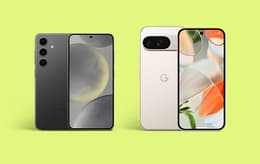
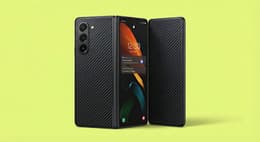
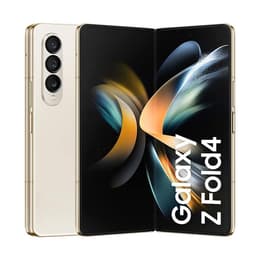
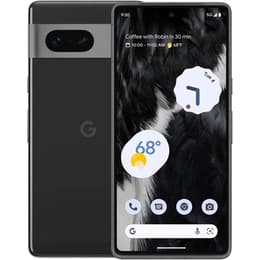
The Samsung Galaxy Z Fold4, released in August 2022, and the Google Pixel 7, launched in October 2022, represent distinct approaches to the modern smartphone experience. While both operate on the Android platform, the Galaxy Z Fold4 distinguishes itself with a unique foldable design that transforms from a traditional smartphone into a tablet-like display, whereas the Google Pixel 7 offers a conventional form factor with a strong emphasis on advanced computational photography and artificial intelligence features.
Color
Storage
The practical lifespan of a smartphone is influenced by its physical resilience and the duration of software support it receives.
Release Year
Last OS Compatibility
OS
Foldable
Both devices offer robust performance for daily tasks, but their underlying architectures and available configurations cater to different user needs.
The display experience is a primary differentiator between these two smartphones, offering distinct visual and interactive characteristics.
Resolution
Screen type
Both devices offer capable camera systems, but they excel in different areas, reflecting their manufacturers' distinct photographic philosophies.
Main camera
Front camera
Beyond core features, several practical elements contribute to the overall user experience and differentiate these two devices.
Weight
Screen size (inches)
Network
SIM card
Carrier compatibility
The Samsung Galaxy Z Fold4 and the Google Pixel 7 cater to different user priorities, each excelling in its specialized domain. The Galaxy Z Fold4 is frequently praised for its innovative foldable display, which offers a large screen for enhanced multitasking and media consumption, effectively blending smartphone portability with tablet-like utility. Users appreciate its robust performance and the versatility provided by the expansive inner screen. However, common discussions often revolve around the visibility of the screen crease and its relatively bulkier form factor when folded.
Conversely, the Google Pixel 7 garners significant acclaim for its exceptional camera capabilities, driven by advanced computational photography and AI features that consistently produce high-quality images, particularly in challenging conditions. Its clean Android experience and timely software updates are also frequently highlighted as strong advantages. Some users, however, have noted that its battery life can be inconsistent, and it lacks a dedicated telephoto lens or macro photography mode found in some competitors.
Users prioritizing a large, adaptable screen for productivity, immersive media, and a unique form factor may find the Galaxy Z Fold4 well-suited to their needs. Those who place a premium on photographic excellence, a streamlined Android experience, and advanced AI features in a traditional smartphone design will likely lean towards the Google Pixel 7. Both devices offer compelling experiences, and choosing between them depends on individual usage patterns and preferences. For those considering either device, exploring quality-assured refurbished options can be an eco-friendly alternative to extend the life cycle of these technologies.